Preserving Safe Communities by Ending Swatting Act of 2025 This bill makes it a crime to intentionally convey false or misleading information in circumstances where the information may reasonably be expected to cause an emergency response and the information indicates the occurrence of criminal conduct or a threat to health or safety (commonly referred to as swatting ).
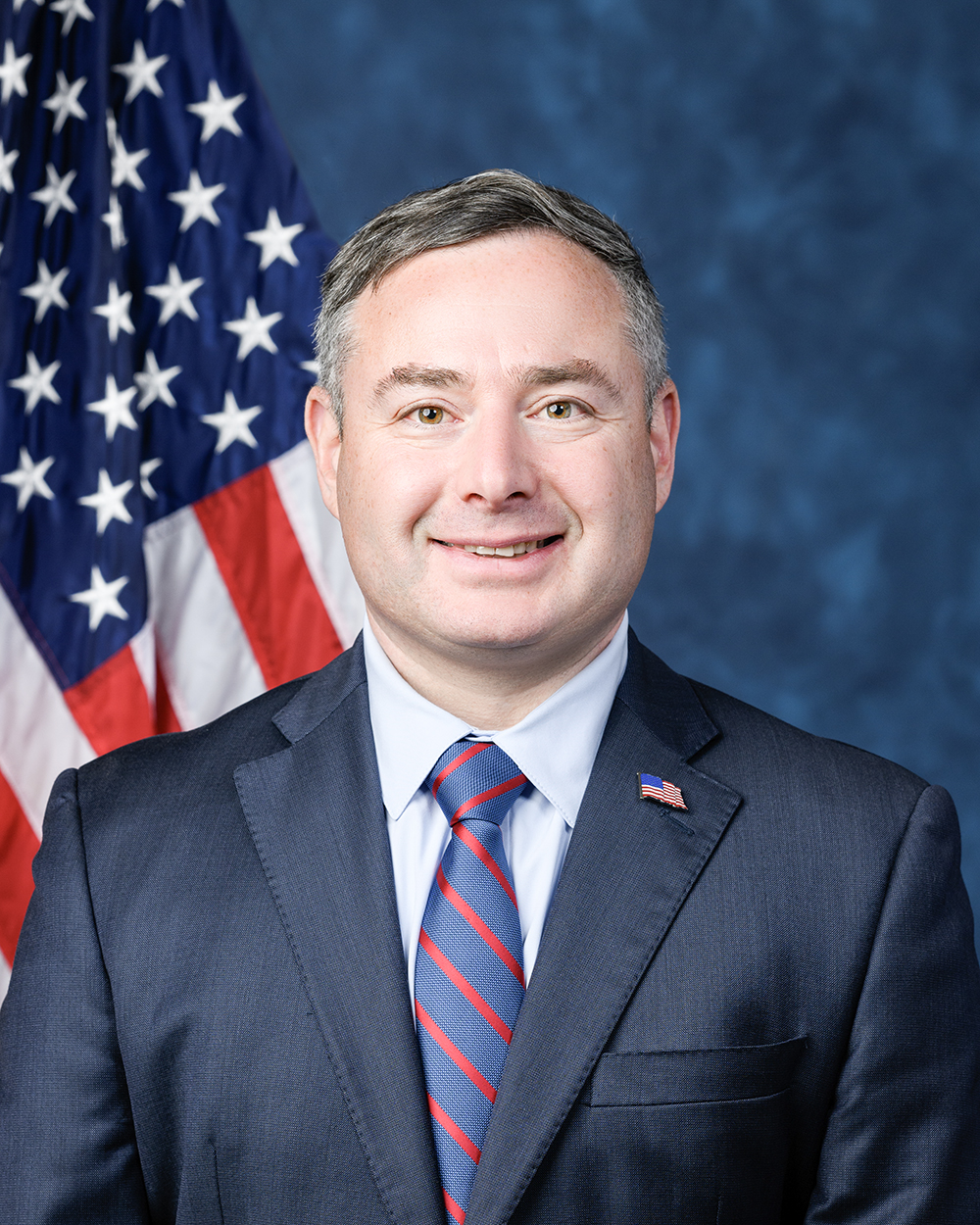
Rep. Eugene Simon Vindman
Sponsored bills
Maddy summaryThis bill amends the tax code to create a special rule for deducting losses of uncut timber (timber not yet cut for sale) from disasters like fires, storms, pests, or drought. It requires taxpayers to base deductions on the timber's pre-loss appraised value minus salvage value, using a certified appraiser's assessment within one year. Crucially, taxpayers must reforest the affected area with hardwoods or softwoods within five years to keep the tax benefit; failure to reforest results in recapturing the deduction. The rule applies only to timber held for sale in an active business, excluding passive activities. This changes how businesses can claim tax deductions after timber losses while linking the benefit to reforestation efforts.
Maddy summaryHR 330, the Organ Donation Referral Improvement Act, mandates a study by the Secretary of Health and Human Services on using electronic automated referral systems to improve organ donation processes. The study will examine how systems that automatically identify potential deceased donors through hospital electronic health records and refer them to organ procurement organizations could save staff time, improve eligibility determination speed, and increase donation volumes. It will also assess benefits of using standardized clinical criteria, secure data transmission, and best practices for implementation. The study, due within one year of enactment, will produce recommendations for nationwide adoption and be reported to relevant congressional committees. This bill directly affects hospitals and organ procurement organizations by studying a potential process change for organ donor referrals.
Maddy summaryThis bill allows disabled veterans with qualifying service-connected disabilities to use HOV lanes as single-occupant vehicles. It requires a special license plate, transponder, or other identification approved by the transportation authority. Disabled veterans meeting VA disability rating thresholds (defined in the bill) can use HOV lanes without paying tolls, bypassing standard occupancy rules. The law amends federal transportation code to add this exception for disabled veterans under specific identification and disability criteria.
Maddy summaryThis bill raises the federal income tax deduction limit for state and local taxes (SALT) from $10,000 to $100,000 for most taxpayers, and increases the limit for married couples filing jointly to $200,000. It directly affects taxpayers who itemize deductions and live in high-tax states, particularly married couples who previously faced a "marriage penalty" under the $10,000 cap. The change applies to tax years beginning after December 31, 2024, effectively allowing these taxpayers to deduct more state and local taxes on their federal returns.
Maddy summaryThis proposed constitutional amendment would limit Members of Congress to serving a maximum of three terms in the House of Representatives or two terms in the Senate. It directly affects current and future members by preventing those who have already served the maximum terms from seeking re-election. Key provisions include counting vacancies filled for more than a year (House) or three years (Senate) as a full term toward the limit, while excluding terms served before ratification from the count. As a constitutional amendment proposal, it requires approval by three-fourths of state legislatures to become law.
Maddy summaryThe Manatee Protection Act of 2025 would require the U.S. Fish and Wildlife Service to officially list the West Indian manatee as an endangered species under the Endangered Species Act. This designation would subject the manatee to all federal protections and regulations, including restrictions on activities harming the animals or their critical habitat. The bill directly affects the manatee population and activities in their environment, such as boating, coastal development, and waterway management, which would now require federal permits to avoid harming the species. It mandates a formal listing under existing law rather than creating new protections, ensuring the manatee is legally recognized as endangered for conservation enforcement.
Washington, D.C. Admission Act This bill provides for the establishment of the State of Washington, Douglass Commonwealth, and its admission into the United States. The state is composed of most of the territory of the District of Columbia (DC), excluding a specified area that encompasses the U.S. Capitol, the White House, the U.S. Supreme Court building, federal monuments, and federal office buildings adjacent to the National Mall and the U.S. Capitol. The excluded territory shall be known as the Capital and serve as the seat of the government of the United States, as provided for in Article I of the Constitution. The state may not impose taxes on federal property except as Congress permits. The bill provides for the DC Mayor to issue a proclamation for the first elections to Congress of two Senators and one Representative of the state. The bill eliminates the office of Delegate to the House of Representatives. The bill applies current DC laws to the state. DC judicial proceedings and contractual obligations shall continue under the state’s authority. The bill also provides for specified federal obligations to transfer to the state upon its certification that it has funds and laws in place to assume the obligations. These include maintaining a retirement fund for judges and operating public defender services. The bill establishes a commission that is generally comprised of members who are appointed by DC and federal government officials to advise on an orderly transition to statehood.

Maddy summaryThis bill amends federal law to establish "Election Day" as an official federal holiday, adding it to the list of recognized holidays for federal employees. It directly affects federal workers by designating Election Day (the Tuesday following the first Monday in November) as a day when federal offices close. The key mechanism is a simple insertion into the existing list of federal holidays under Title 5 of the U.S. Code. This change does not alter voting procedures or create new voting requirements.
Maddy summaryHR 44, the Rural 340B Access Act of 2025, would expand eligibility for the federal 340B drug discount program to include specific rural emergency hospitals. It directly affects rural emergency hospitals owned or operated by state/local governments, non-profits with governmental powers, or private non-profits with contracts to serve low-income patients. The bill amends the law to formally add these hospitals as "covered entities" under the 340B program, allowing them to purchase discounted drugs. This change would enable these facilities to access the same drug discounts previously available to other safety-net providers.