

Blind Americans Return to Work Act of 2025 This bill requires the Social Security Administration to carry out a demonstration project during which blind Social Security Disability Insurance (SSDI) beneficiaries receive reduced benefits commensurate with income above certain thresholds. Under current law, only individuals who earn under a specified monthly income, known as the substantial gainful activity (SGA) threshold, are considered disabled and thereby eligible for SSDI benefits. For blind workers, this limit is $2,700 per month in 2025. SSDI beneficiaries may earn beyond the SGA threshold for a limited period of time, known as the trial work period , before their benefits are suspended and ultimately terminate. The bill establishes a 20-year demonstration project during which individuals who are entitled to SSDI benefits by reason of blindness and who earn above the SGA threshold continue to receive benefits at an amount gradually reduced commensurate with their earnings beyond a specified amount. During this period, blind workers’ SSDI benefits must be reduced by $1 for every $2 that a worker earns above the sum of (1) the SGA threshold, and (2) the worker’s expenses reasonably attributable to their work. The SGA threshold may not be used to determine whether an individual is disabled during this period, and blind workers’ SSDI benefits may not be terminated due to work-related earnings. The trial work period also must not apply. After 10 years, affected beneficiaries may opt out of the modified benefits structure.
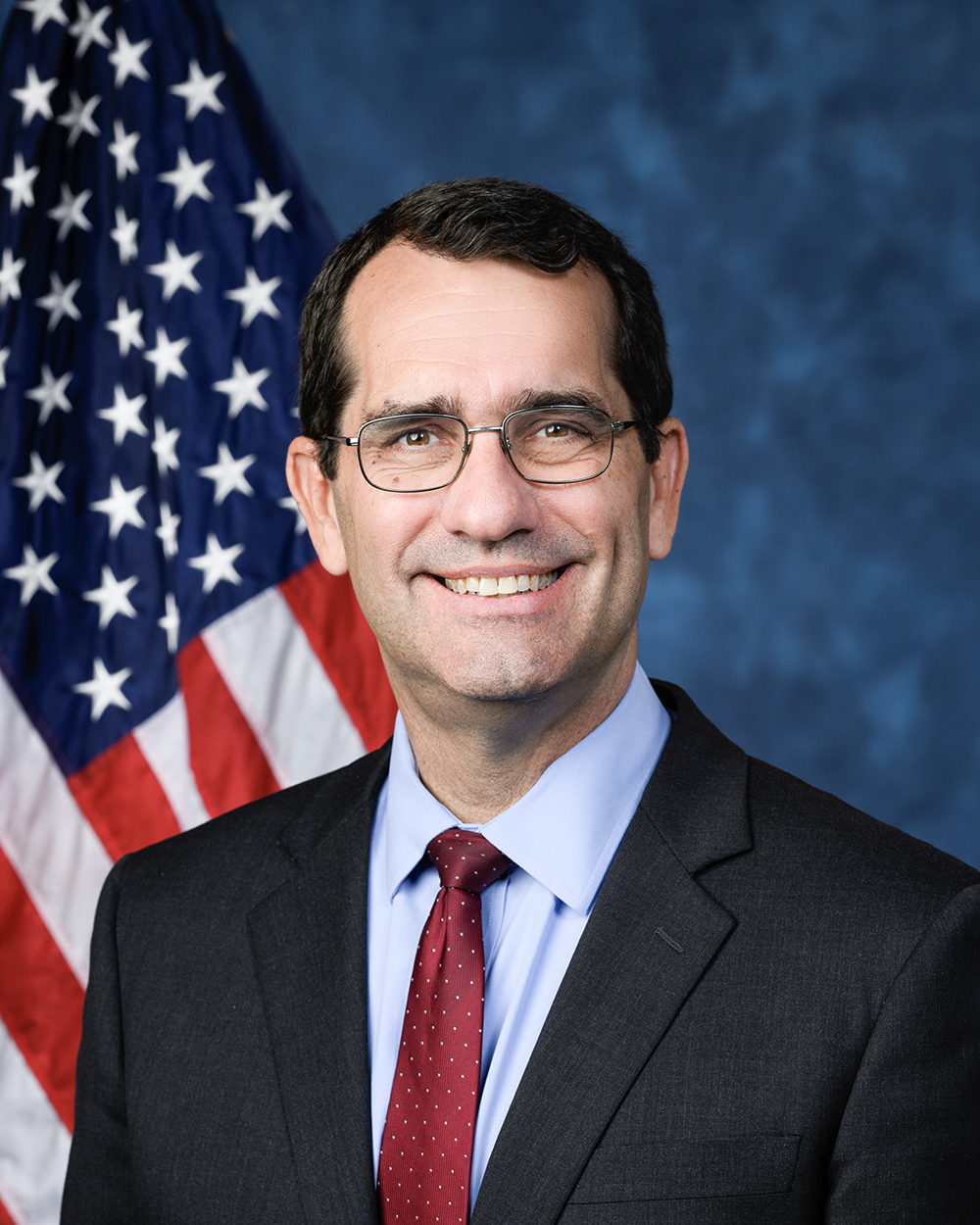
Rep. Derek Schmidt
Sponsored bills
Maddy summaryThe Laken Riley Act expands mandatory detention for immigrants convicted of certain property crimes like burglary, theft, or shoplifting by adding these offenses to existing immigration detention criteria. It requires the federal government to issue detainers for such individuals and take custody if not detained by local authorities. The bill also grants state attorneys general standing to sue federal officials in federal court if they believe immigration enforcement actions (like releasing detained immigrants) cause the state financial harm exceeding $100. This creates new legal pathways for states to challenge federal immigration decisions through expedited lawsuits.
Maddy summaryHJRES 38 is a joint resolution seeking congressional disapproval of an Environmental Protection Agency (EPA) rule implementing the American Innovation and Manufacturing (AIM) Act. The rule manages the phasedown of hydrofluorocarbons (HFCs), potent greenhouse gases used in refrigeration and air conditioning, under the AIM Act of 2020. If approved, this resolution would block the EPA rule from taking effect, preventing its implementation of HFC management requirements. This is a procedural disapproval under the Congressional Review Act, not a new law, and directly affects the EPA’s regulatory authority over HFCs.
Maddy summaryHR 1131 exempts certain family farms and small businesses from being counted as assets when calculating financial need for federal student aid under the Higher Education Act. Specifically, it amends the law to exclude the net value of a family farm where the family resides and small businesses (with ≤100 employees) owned by the family from need analysis calculations. This change directly affects students from qualifying family farm or small business households when applying for federal financial aid. The exemption applies to need analysis conducted for award years beginning after the bill's enactment date. The bill modifies Section 480(f)(2) of the Higher Education Act of 1965 to implement this policy change.
Maddy summaryThis bill expands 529 college savings account flexibility by allowing funds to cover costs for industry-recognized postsecondary credentials, not just traditional degrees. It defines "qualified expenses" to include tuition/fees for recognized credential programs (like certifications or apprenticeships), required testing fees, and continuing education needed to maintain credentials. To qualify, programs must meet specific criteria, such as appearing on state lists under the Workforce Innovation and Opportunity Act or being listed in VA or Defense directories. The change applies to 529 distributions made after the law's enactment, giving families more options to use these accounts for job-focused training.
Maddy summaryHR 1076, the WARN Act, requires the Comptroller General to study how well local, state, and federal emergency alert systems share timely weather emergency information during events like storms or power outages. The study will examine alert methods (including social media), the clarity of public messages, and outdoor siren systems, using feedback from emergency managers and community groups. It mandates a report to Congress within 18 months of enactment, focusing on identifying improvements to alert systems for public safety. The bill itself does not change existing policies but directs a review to inform future emergency communication strategies.
Protect Our Letter Carriers Act of 2025 This bill requires or authorizes certain actions related to the U.S. Postal Service (USPS). The bill requires the Department of Justice to appoint an assistant U.S. attorney in each judicial district to coordinate and supervise the investigation and prosecution of various crimes related to postal services (for example, assault on a postal service employee, breaking into a post office, or obstruction of mails). The bill also requires the U.S. Sentencing Commission to amend sentencing guidelines to provide that the assault or robbery of a postal employee shall be treated the same as the assault of a law enforcement officer. Additionally, the bill authorizes appropriations for the USPS to install high security collection boxes and replace older versions of the universal mailbox key with electronic versions.
Maddy summaryHR 1046, the Marc Fischer Memorial Act, requires the Bureau of Prisons to implement digital mail scanning technology at all federal prisons to detect fentanyl and other synthetic drugs in inmate mail. It mandates a strategy within 90 days of an evaluation, including 100% scanning of all mail, digital copies of mail to inmates within 24 hours, and physical mail delivery within 30 days for non-contaminated items. The bill directly affects federal prison staff, inmates, and the Bureau of Prisons by aiming to reduce drug-related overdoses and alleviate staff workload tied to mail processing. Implementation must be completed within three years, with annual reports tracking detected drugs and strategy efficiency. The legislation focuses on concrete technological and procedural changes to enhance safety, referencing a successful pilot program at two facilities.
Maddy summaryThis bill creates a tax exclusion for landowners who sell certain property interests through the Defense Department's Readiness and Environmental Protection Integration (REPI) program. It excludes the gain from taxable income when selling "qualified real property interests" (including full ownership, remainder interests, or surface use restrictions) to a qualified organization under the REPI program, which protects military readiness areas while conserving environmentally sensitive lands. The exclusion does not apply if the property was purchased within three years prior to sale (except for family partnerships or family-owned entities). This policy change directly affects landowners participating in the REPI program by reducing tax liability on qualifying sales.
Maddy summaryHR 1040, the Senior Citizens Tax Elimination Act, would stop taxing Social Security benefits for seniors by repealing the current tax rule that includes some benefits in gross income. It directly affects senior citizens who currently pay federal income tax on portions of their Social Security payments. The bill adds a provision stating Section 86 of the tax code (which taxes Social Security benefits) no longer applies after enactment. To offset the lost tax revenue, the bill requires the government to appropriate funds to the Social Security and Railroad Retirement trust funds, ensuring they remain fully funded without requiring tax increases.