First Rhode Island Regiment Congressional Gold Medal Act This bill provides for the award of a single Congressional Gold Medal to the First Rhode Island Regiment, collectively, in recognition of their dedicated service during the Revolutionary War.
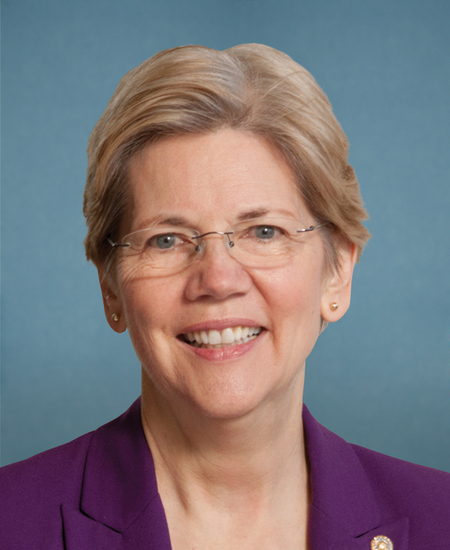
Sen. Elizabeth Warren
Sponsored bills
Maddy summaryThe Child Safety and Well-Being Act of 2026 establishes a new federal Children's Commission to advocate for the interests of all children and specifically marginalized youth, including foster care recipients and those facing systemic barriers. This 15-member commission, appointed by the Comptroller General, will conduct research, review federal regulations, and issue reports to ensure that child well-being is considered in government policies and legislation. The bill also creates a Children's Commissioner to lead the commission and requires agencies to share relevant data, while authorizing $7.5 million annually from 2027 through 2034 to fund these operations.
Maddy summaryThe AI Bubble Transparency Act requires major financial institutions to report detailed data on their investments in companies that build artificial intelligence hardware and infrastructure, such as chip makers and data centers. These reports must include specific information about the size, type, and financial health of the companies involved, while smaller banks and those with minimal exposure are exempt from these requirements. Within a year of passing, regulators will compile this information into a public report assessing how risks in the AI sector could impact overall financial stability and will offer recommendations to reduce those risks.
Maddy summaryThe Critical Defense Ownership Review Act requires the Department of Defense to review any attempt by an investment company to acquire at least a 25 percent stake or control of a major defense supplier. Under this law, such transactions must undergo a premerger notification process where the Department evaluates national security risks, competition impacts, and the financial stability of the involved companies. If the Department identifies concerns, it must report its findings to federal antitrust authorities within 30 days. Additionally, the bill mandates a triennial review every three years to assess how mergers and acquisitions affect the health of the defense industrial base, with results reported to Congress. These provisions directly impact investment firms seeking to invest in defense contractors and aim to ensure the continued reliability of critical military supply chains.

Maddy summaryThe Natural Climate Solutions Research and Extension Act of 2026 directs federal funding toward studying and promoting land management practices that help store carbon or lower greenhouse gas emissions in agricultural lands, grasslands, wetlands, and forests. This legislation specifically supports projects that incorporate traditional ecological knowledge, enhance biodiversity, and reduce water runoff. By amending an existing agricultural law, the bill ensures that research grants prioritize these environmental benefits to improve climate resilience.
Maddy summaryThe Restore Military Families' Voices Act prohibits landlords of privatized military housing from asking tenants to sign nondisclosure agreements regarding their living conditions. It expands protections against retaliation by allowing tenants to report issues to the Chief Housing Officer, inspectors general, and members of Congress without fear of reprisal from their landlords or the chain of command. The bill also requires the Inspector General to notify military department secretaries and congressional committees within ten business days of receiving a retaliation report. These changes directly affect families renting privatized housing units and the organizations responsible for overseeing those properties.
Maddy summaryThis joint resolution seeks to reject a specific federal rule issued by the Centers for Medicare & Medicaid Services regarding the WISeR Model, which was designed to reduce wasteful spending by requiring prior authorization for select Medicare services. If passed, the measure would legally nullify the rule, preventing the Centers for Medicare & Medicaid Services from enforcing the new prior authorization requirements on healthcare providers. The bill directly affects Medicare beneficiaries and medical facilities that would otherwise have to comply with these administrative changes. By invoking the Congressional Review Act, the legislation aims to stop the implementation of the policy without altering the underlying statute governing Medicare.
Maddy summaryThe Freedom to Travel for Health Care Act of 2026 prohibits any person or government entity from restricting, sanctioning, or discriminating against individuals who travel to another state to receive reproductive health care that is legal there. It also protects those who assist travelers and reproductive health care providers from facing penalties for offering services to out-of-state patients, effectively overriding any conflicting state laws. The bill establishes a private right of action allowing affected individuals, organizations, and providers to sue in federal or state court for violations, with provisions for damages and attorney's fees. Additionally, it removes state sovereign immunity defenses for officials enforcing laws that interfere with this travel right, ensuring federal courts can hear such cases directly.
Maddy summaryThe Complete America's Great Trails Act creates a new federal tax credit to encourage donations of land that includes National Scenic Trails or their surrounding corridors. This provision allows taxpayers to claim a credit equal to the fair market value of the donated land, provided the property meets specific width requirements and is used for conservation purposes. The bill also permits continued recreational or agricultural use of the donated land as long as such activities do not harm significant conservation interests. Additionally, the legislation requires the Secretary of the Interior to study the credit's effectiveness and report back to Congress within four years regarding potential changes like making the credit refundable.
Maddy summaryThe Protecting American Consumers Act establishes a minimum funding level for the Bureau of Consumer Financial Protection to ensure it has sufficient resources to operate. Specifically, the bill mandates that the federal government must transfer at least 12 percent of the Federal Reserve System's total operating expenses to the Bureau each fiscal year. This provision directly affects the Bureau's budget and its ability to enforce financial regulations on lenders and other entities that impact consumers. By setting a fixed floor for funding, the legislation aims to prevent the Bureau's budget from being reduced below this threshold in future years.