

"Six Triple Eight" Congressional Gold Medal Act of 2021 This bill directs the Speaker of the House of Representatives and the President pro tempore of the Senate to arrange for the award of a Congressional Gold Medal in honor of the women of the 6888th Central Postal Directory Battalion (commonly known as the Six Triple Eight) in recognition of their pioneering military service, devotion to duty, and contributions to increase the morale of personnel stationed in the European theater of operations during World War II. The medal shall be given to the Smithsonian Institution and made available for display and research.
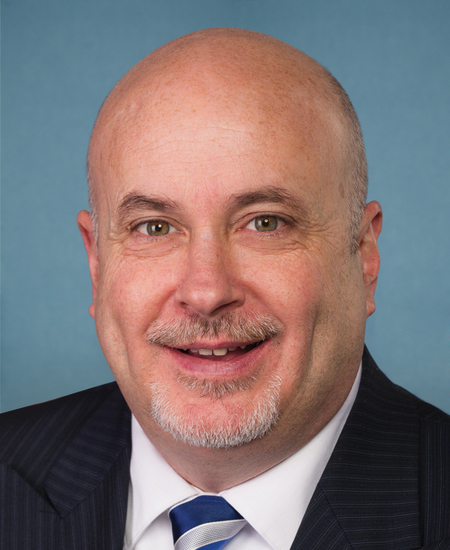
Rep. Mark Pocan
Sponsored bills
Moms Matter Act This bill establishes two grant programs to address maternal mental health conditions and substance use disorders, with a focus on racial and ethnic minority groups. First, the Substance Abuse and Mental Health Services Administration must award grants for maternal behavioral health services. Eligible grantees include state, tribal, and local governments; health care providers; and organizations that serve pregnant and postpartum individuals. Second, the Department of Health and Human Services may award grants to grow and diversify the maternal mental and behavioral health workforce by establishing or expanding schools and training programs.
Horse Transportation Safety Act of 20 21 This bill prohibits a person from transporting a horse in interstate commerce in a motor vehicle (except a vehicle operated exclusively on rail or rails) containing two or more levels stacked on top of one another. The bill prescribes civil penalties for knowing violations of such prohibition.
Medicaid Reentry Act of 2021 This bill allows Medicaid payment for medical services furnished to an incarcerated individual during the 30-day period preceding the individual's release. The Medicaid and Children's Health Insurance Program (CHIP) Payment and Access Commission must report on specified information relating to the accessibility and quality of health care for incarcerated individuals, including the impact of the bill's changes.
American Family Act of 2021 This bill modifies the child tax credit to (1) make the credit fully refundable, (2) increase the amount of the credit and allow an additional credit for children who are under six years of age, (3) require the amount of the credit to be adjusted annually for inflation, and (4) require the Department of the Treasury to establish a program for making advance payments of the credit on a monthly basis.
This resolution expresses the sense of the House of Representatives that the U.S. Postal Service should continue door delivery for all customers.
Future Advancement of Academic Nursing Act or the FAAN Act This bill authorizes the Health Resources and Services Administration (HRSA) to award grants to nursing schools to increase capacity to respond to public health emergencies and pandemics and otherwise enhance nursing education programs. In awarding these grants, HRSA shall prioritize historically Black colleges and universities and other minority-serving institutions, schools that are located in medically underserved communities, and schools in areas with shortages of health professionals.
Gun Violence Prevention Research Act of 2021 This bill authorizes the Centers for Disease Control and Prevention to conduct or support research on firearms safety or gun violence prevention.
Tracking COVID-19 Variants Act This bill expands viral genomic sequencing, disease surveillance, and other public health research activities. Specifically, the Centers for Disease Control and Prevention (CDC) must issue guidance on the sequencing of the virus that causes COVID-19 (i.e., coronavirus disease 2019). Additionally, the CDC must establish a program to strengthen genomic sequencing, analytics, and disease surveillance activities. As part of this program, the CDC must provide grants and technical assistance to health departments to build their capacity to carry out such activities. Furthermore, the National Center for Health Statistics (NCHS) must carry out a demonstration program to expand an existing program that links different federal data sets for statistical public health research, including research on food insecurity, housing instability, and other social determinants of health. In particular, the program must support linkages with the National Death Index, a database of death records maintained by the NCHS.
National Climate Emergency Act of 2021 or the Climate Emergency Act of 2021 This bill directs the President to declare a national emergency with respect to climate change. The President, in responding to the emergency, must ensure that the government invests in large scale mitigation and resiliency projects; makes investments that enable a racially and socially just transition to a clean energy economy by ensuring that at least 40% of investments flow to historically disadvantaged communities; avoids solutions that increase inequality or violate human rights; creates jobs that conform to labor standards that provide family sustaining wages and benefits and ensure safe workplaces; prioritizes local and equitable hiring and contracting that creates opportunities for marginalized communities; combats environmental injustice; and reinvests in existing public sector institutions and creates new public sector institutions to strategically mobilize and channel investments at the scale and pace required by the national emergency. The President shall report annually on actions taken in response to the national emergency.