

Maddy summaryThis bill prohibits states from pursuing or collecting Medicaid recovery claims against individuals' estates for payments made during their lifetime. It requires states to withdraw all existing recovery liens within 90 days of enactment and notify affected individuals or their estates. The law specifically ends state efforts to reclaim Medicaid funds from beneficiaries' estates after death, applying to claims initiated before the law's effective date. It directly affects Medicaid beneficiaries and their estates who were subject to prior state recovery actions. The key mechanism is a mandatory 90-day withdrawal of all existing liens and a permanent ban on new recovery claims for correctly paid assistance.
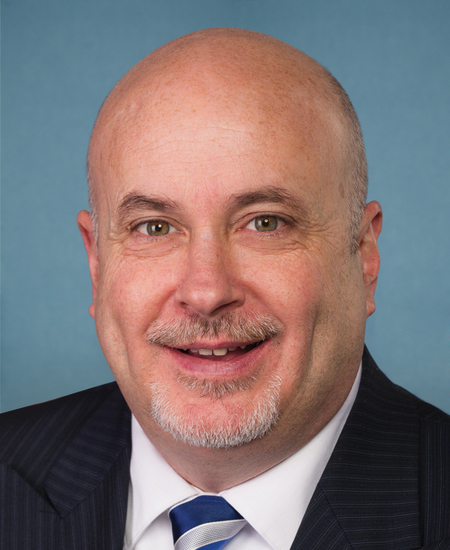
Rep. Mark Pocan
Sponsored bills
Maddy summaryThis bill prohibits the use of federal funds for any military action against Venezuela from its enactment date through December 31, 2026, unless Congress either declares war or passes new specific authorization meeting War Powers Resolution standards. It directly affects all federal agencies and military operations that would require funding for actions targeting Venezuela. The key mechanism blocks funding for military force unless Congress explicitly authorizes it through one of two specific pathways. A narrow exception allows actions already compliant with existing War Powers Resolution rules. This is a funding restriction, not a ban on military action itself.
Maddy summaryHR 4611 (EACH Act of 2025) requires all federally funded health programs - including Medicaid, Medicare, military health plans, and the Indian Health Service - to cover abortion services without restrictions, repealing the Hyde Amendment's long-standing ban on federal funding for most abortions. This directly affects millions of people enrolled in these programs, particularly low-income women, women of color (including 25% of Black women and 22% of Hispanic women on Medicaid), and young people. The bill mandates coverage in all federally administered health plans and prohibits state or private insurers from restricting abortion coverage in health insurance. It aims to eliminate current federal and state barriers that deny abortion access to people who rely on government health programs.
Maddy summaryThis bill prohibits landlords from charging application fees, tenant screening fees, and excessive late fees on "covered" rental properties - those with federally backed mortgages (like FHA, VA, or USDA loans) or HUD assistance. It caps late fees at 3% of monthly rent after a 15-day grace period and requires landlords to disclose total monthly costs, past tenant litigation, maintenance issues, and rent history for the past decade before signing leases. The law directs regulators like HUD to define "junk fees" and ban reporting unpaid fees to credit agencies. It directly affects renters in federally supported housing by limiting unexpected costs and increasing transparency.
Maddy summaryThe NIH Clinical Trial Integrity Act requires sponsors of clinical trials approved by the National Institutes of Health (NIH) to set and meet specific goals for including participants from diverse racial, ethnic, age, and sex groups. This includes submitting detailed plans for recruitment and retention - such as using telemedicine for follow-ups or flexible scheduling - and reporting annual demographic data without personally identifiable information. Trials failing to meet these goals must develop a community-informed strategic plan to improve participation, which the NIH will publish. The bill also mandates a national awareness campaign to promote diverse trial participation and a study on reducing cost barriers for participants.
Maddy summaryHCONRES 64 is a congressional resolution directing the President to withdraw U.S. military forces from any hostilities against Venezuela that lack explicit congressional authorization. It applies to ongoing military operations in Venezuela not approved by Congress through a declaration of war or specific law authorizing force. The resolution invokes the War Powers Resolution (50 U.S.C. 1544(c)), requiring the removal of troops within the timeframe specified by that law. This bill does not affect military actions already authorized by Congress but mandates the end of unapproved operations.
Maddy summaryHCONRES 61 directs the President to withdraw U.S. military forces from hostilities against any terrorist organization designated by the president in the Western Hemisphere. This bill specifically applies to military operations involving U.S. armed forces in the region targeting such groups. The key provision requires the withdrawal unless Congress has passed a formal declaration of war or specific authorization for that military action. The resolution invokes Section 5(c) of the War Powers Resolution to compel this change in military deployment.
Maddy summaryHRES 955 is a symbolic House resolution recognizing the importance of maintaining U.S. leadership in ending pediatric HIV/AIDS globally. It affirms support for existing programs like PEPFAR and the Global Fund, which provide critical prevention services (e.g., antiretroviral prophylaxis for pregnant women) and treatment for children. The resolution specifically calls for continued commitment to closing the treatment gap for children, expanding access to long-acting prevention methods, and advancing the Global Alliance to End AIDS in Children by 2030. As a recognition measure, it does not create new laws or allocate funding but underscores ongoing U.S. efforts to prevent mother-to-child transmission and improve pediatric HIV outcomes.
Maddy summaryThe Schedules That Work Act would require employers in retail, food service, hospitality, cleaning, and warehouse sectors to provide workers with 14 days' advance notice of their schedules and pay predictability wages for last-minute changes. It allows employees to request schedule changes related to caregiving responsibilities, health conditions, education, or other jobs, with employers required to engage in good-faith discussions about such requests. The bill prohibits retaliation against employees who request schedule changes and mandates written notice of schedule changes and predictability pay. It applies to employers with 15 or more employees in covered sectors, aiming to address widespread issues with unpredictable schedules that negatively impact workers' ability to care for family members, maintain housing stability, and access health care.
Essential Caregivers Act of 2025 This bill prohibits certain health care facilities from limiting the access of essential caregivers to residents of those facilities, including during designated emergency periods. Specifically, the bill generally prohibits Medicare skilled nursing facilities, Medicaid nursing facilities, Medicaid intermediate care facilities, and associated inpatient rehabilitation facilities from restricting the access of essential caregivers to residents of the facilities, including during emergency periods in which visitation rights are otherwise restricted. During emergency periods, facilities may restrict access for an initial period of up to seven days and for one additional maximum seven-day period (if the additional period is approved by the state health department). Facilities may restrict access for a total of 7 days (or 14 days with the approval of the state health department) during an emergency period. Essential caregivers must agree to comply with any safety protocols set by the facility, which may be no more stringent for caregivers compared to those for staff. Caregivers who fail to comply with these requirements may be denied access, subject to an appeals process.