

Maddy summaryThis bill, known as the Double the Wage for Overtime Act of 2026, aims to change how overtime pay is calculated for employees covered by the Fair Labor Standards Act. It directly affects workers who currently earn less than $23,660 annually, as it would require employers to pay them two times their regular hourly rate instead of one and a half times for hours worked beyond 40 in a week. The law takes effect 180 days after it is signed, ensuring a transition period before the new pay requirements begin. By raising the overtime multiplier, the legislation seeks to increase earnings for hourly workers who work extra hours.
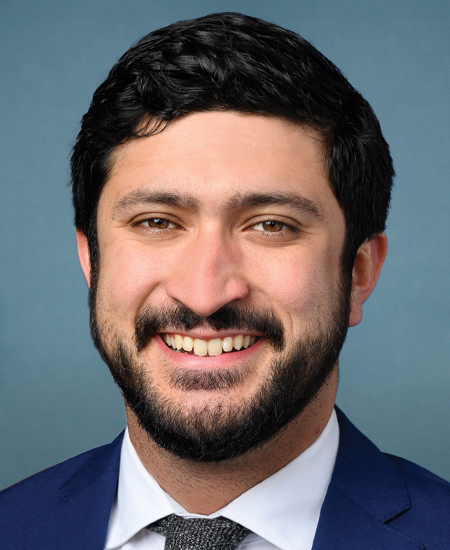
Rep. Greg Casar
Sponsored bills
Maddy summaryThis concurrent resolution directs the President to withdraw all United States Armed Forces from Lebanon within seven days of the bill's adoption. It operates under section 5(c) of the War Powers Resolution, which allows Congress to mandate the removal of troops from foreign locations. The measure directly affects the executive branch by requiring immediate compliance with the specified timeline for troop withdrawal.
Maddy summaryThe Protecting Student Privacy Act prevents federal student aid data from being shared with immigration enforcement agencies for the purpose of enforcing immigration laws. This rule applies to information held by the Department of Education regarding students and their financial contributors, such as parents or spouses, and blocks its use for arrests, interviews, or surveillance by the Department of Homeland Security and other authorized entities. The law includes specific exceptions for court orders related to criminal offenses and for cases where a student or contributor voluntarily and without pressure consents to sharing their information. Additionally, the bill requires the Secretary of Education to report any unauthorized disclosures to Congress and states that this new rule overrides any conflicting state or local laws.
Maddy summaryThe Young Adult Tax Credit Act creates a new $500 monthly tax credit for individuals aged 18 to 24 who are U.S. citizens or residents, with the amount adjusted annually for inflation. This credit is refundable, meaning eligible recipients can receive the full benefit even if they owe no federal taxes, and it is distributed through monthly advance payments starting after December 31, 2026. To manage these payments, the bill establishes an online portal for taxpayers to manage their accounts and includes specific rules to prevent fraud and ensure funds are not subject to garnishment for debts like child support. The legislation also mandates a government outreach campaign to help eligible young adults, particularly those from underrepresented populations, understand and claim the credit.
Maddy summaryThis concurrent resolution directs the President to remove U.S. Armed Forces from any hostilities within or against Cuba that lack explicit congressional authorization. The bill invokes the War Powers Resolution to require the executive branch to cease military actions unless Congress has passed a formal declaration of war or a specific authorization for the use of military force. It directly affects the President's ability to conduct military operations in Cuba without legislative approval. This measure seeks to enforce the constitutional principle that Congress must authorize war before the United States engages in armed conflict.
Maddy summaryThe Holiday Pay Act requires employers covered by the Fair Labor Standards Act to pay at least one and a half times an employee's regular hourly rate for any work performed on a legal public holiday. This new requirement applies specifically to workers engaged in commerce or employed in enterprises involved in commerce, ensuring they receive overtime pay when working on recognized federal holidays. The bill also updates enforcement and legal definitions within the Fair Labor Standards Act to include "legal public holiday compensation" alongside existing minimum wage and overtime protections. Additionally, the law clarifies that this federal standard does not prevent states or localities from mandating higher pay rates for holiday work.
Dental Care for Veterans Act This bill expands eligibility for veterans for dental care provided by the Department of Veterans Affairs (VA). Specifically, the bill makes all veterans who are enrolled in the VA health care system eligible for VA-provided dental services. Currently, only veterans who have a service-connected dental issue or meet other narrow criteria are eligible for certain dental services. The bill phases in eligibility over four years based upon existing eligibility, degree of service-connected disability or other disability, prisoner of war status, award of a Purple Heart, financial need, or VA health care eligibility.
Maddy summaryThe Restoring Overtime Pay Act of 2026 raises the minimum salary required for certain employees to be exempt from federal overtime pay rules, starting at $45,000 per year and increasing annually until it reaches $75,000 by 2029. The bill also mandates that this threshold automatically updates each year to match the 55th percentile of weekly earnings for full-time salaried workers nationwide, with adjustments taking effect based on Bureau of Labor Statistics data. Additionally, the law modifies the duties test for exemption, requiring that at least 20 percent of an employee's time be spent on executive or administrative tasks rather than the current 40 percent standard. These changes directly affect employers and workers covered by the Fair Labor Standards Act by redefining eligibility for overtime exemptions and establishing a new mechanism for adjusting salary requirements over time.
Maddy summaryThis resolution expresses the House of Representatives' preference for a trade policy that prioritizes American workers, consumers, independent farmers, small businesses, and the environment over corporate interests. It calls for trade agreements to include binding labor and environmental standards, fair wage guarantees, and strict rules of origin to prevent companies from moving jobs overseas. The measure also supports strengthening domestic manufacturing requirements, maintaining tariffs against unfair trade practices, and ensuring that public procurement favors American-made goods. Additionally, it urges the inclusion of provisions to protect data privacy, regulate artificial intelligence, and ensure affordable access to medicine while preventing monopolies.
Maddy summaryThe Universal School Meals Program Act of 2026 mandates that all public schools provide free breakfast and lunch to every enrolled student, regardless of income. It establishes specific funding rates for these meals, adjusts payments based on the use of locally sourced food, and eliminates the ability of schools to collect debt for unpaid charges. Additionally, the bill expands free meal access to summer programs, afterschool care, and incarcerated juveniles while updating poverty measurement standards across various federal education and nutrition laws.