

Maddy summaryHR 6121, the Promoting Physical Activity for Americans Act, requires the Secretary of Health and Human Services to publish science-based physical activity recommendations for the U.S. public every 10 years, starting by December 31, 2029. These reports must include evidence-based guidance for general populations and specific subgroups like children or people with disabilities, and must be updated every 5 years after the first report. Federal agencies must consider these recommendations when developing their own physical activity guidelines, though the bill explicitly states no federal fitness standards established under it will be binding on individuals. The act does not affect existing biomedical research or scientific communication by federal agencies.
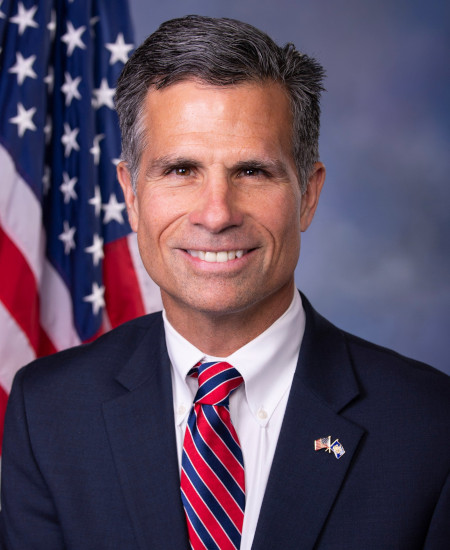
Rep. Daniel Meuser
Sponsored bills
Maddy summaryHR 6161, the SEC Data Protection Act, requires the Securities and Exchange Commission (SEC) to establish policies protecting sensitive nonpublic data provided by investment advisers. The bill mandates that within one year of enactment, the SEC create rules addressing when it requests such data, safeguarding it based on sensitivity, restricting access to authorized staff, and preventing unauthorized use or disclosure. These policies must be developed through a notice-and-comment rulemaking process. The law directly affects investment advisers who share proprietary information with the SEC, ensuring their data is handled securely under new federal standards.
Maddy summaryHRES 891 is a ceremonial House resolution supporting the designation of National Rural Health Day, observed annually on the third Thursday of November (November 20, 2025, this year). It recognizes rural health care providers and the challenges rural communities face in accessing care, citing issues like hospital closures and workforce shortages. The resolution does not create new policies, funding, or requirements; it solely expresses the House's support for the day's goals and commitment to improving rural health accessibility. This is a non-binding acknowledgment, not a legislative action with concrete policy changes.
Maddy summaryThis bill requires all new passenger vehicles manufactured for sale in the U.S. to include AM radio as standard equipment (not an optional add-on) by 2027-2028, depending on manufacturer size. It mandates that AM radio receivers must be easily accessible to drivers and allows compliance through digital AM broadcast technology. During a transition period, manufacturers must clearly label vehicles without AM radio but cannot charge extra for this feature. The bill also mandates a GAO study on AM radio's role in emergency alerts and includes a 10-year sunset provision for the rule. It preempts state laws regarding AM radio access in vehicles.
Maddy summaryHRES 826 is a symbolic resolution supporting the designation of October 20-24, 2025, as "Careers in Energy Week." It raises awareness about energy sector job opportunities - spanning traditional and renewable energy fields, technical roles, and STEM education - to encourage students and young professionals to pursue these careers. The resolution does not create new laws or funding but urges educational institutions, industry groups, and communities to host events during this week. It directly affects public awareness of energy workforce pathways, not specific individuals or regulations.
Maddy summaryHRES 823 is a symbolic resolution proposing to designate the week beginning October 19, 2025, as "Coal Week" to recognize the coal industry's historical and current contributions to U.S. energy, military readiness, and economic stability. It does not create new laws or funding, but rather offers non-binding support for acknowledging coal's role in providing reliable power (19.5% of U.S. electricity in 2022) and its declining emissions through technological advancements. The resolution highlights coal as a "reliable and affordable source of baseload power" and notes its global significance (36% of worldwide electricity). This is purely a commemorative gesture with no direct impact on policy or affected parties beyond symbolic recognition of the coal sector.
Maddy summaryThe Shutdown Fairness Act ensures that certain federal employees performing essential work during government funding gaps receive their regular pay. It applies directly to "excepted employees" (such as border security personnel, air traffic controllers, and military members on active duty) who must work when appropriations lapse. The bill appropriates funds from the Treasury to cover their standard pay, benefits, and allowances during these periods, without requiring new annual appropriations. These payments are later charged to the agency’s regular budget when funding is restored, ensuring no additional costs to Congress. The law takes effect retroactively from September 30, 2025.
Maddy summaryThe Black Vulture Relief Act authorizes livestock producers and their employees to remove or kill black vultures (Coragyps atratus) that are causing or likely to cause harm to livestock, bypassing standard protections under the Migratory Bird Treaty Act. It prohibits using poison for this purpose and requires annual reports to the U.S. Fish and Wildlife Service about such actions, using a simplified form. The law specifically targets vultures threatening livestock as defined in existing federal agriculture law, with reporting deadlines starting after a form is developed by the Fish and Wildlife Service.
Maddy summaryThis bill adds Medicare coverage for multi-cancer early detection screening tests (blood or biological tests analyzing cell-free DNA) starting January 1, 2028. It directly affects Medicare beneficiaries aged 68 and older (starting in 2028, with the age limit increasing by 1 year annually), requiring tests to be FDA-cleared and deemed reasonable/necessary by the Secretary for early cancer detection across multiple organ sites. Payment will initially match current stool DNA test rates before 2031, then shift to a lower rate or new payment system after 2031, with limits preventing more than one test per year. The bill explicitly states it does not alter coverage for existing cancer screenings like breast, colorectal, or prostate cancer tests.
Maddy summaryThis bill would require all states to recognize valid concealed carry permits issued by other states, allowing permit holders to carry concealed handguns (excluding machine guns) in any state that either issues such permits or doesn't prohibit concealed carry. It directly affects law-abiding gun owners with valid permits from their home state, ensuring they can carry in states with similar permit systems or no prohibitions. Key provisions include treating valid permit documents as proof of legal carry (reducing officer stops), shifting the burden of proof to prosecutors if challenged, and allowing civil lawsuits for violations with attorney's fee awards. The bill does not override state laws restricting firearms on private property or government land, nor does it affect federal gun restrictions like those in section 922(q).