

Maddy summaryThe PURE Water Act (HR 1441) creates a federal tax credit for individuals who install qualifying home water filtration systems. It allows a 20% credit on primary residence filtration costs and 10% on secondary residence costs, capped at $2,500 per tax year, with unused portions carryable forward. The credit applies only to systems that remove at least 90% of lead, PFAS, and PFOA from drinking water, excluding maintenance costs. This directly affects individual taxpayers who purchase qualifying filters for their U.S. homes, effective for tax years beginning after December 31, 2024.
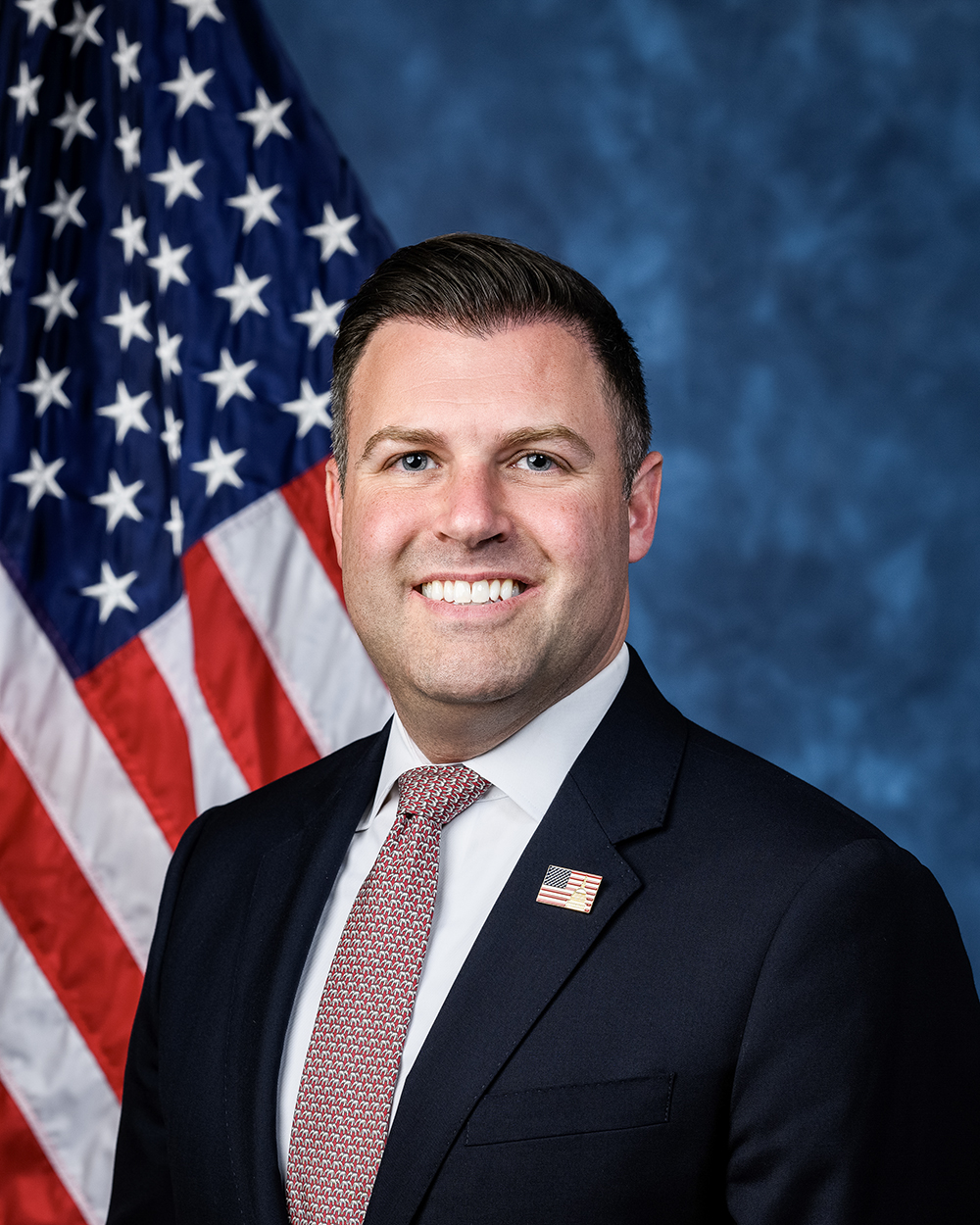
Rep. Ryan Mackenzie
Sponsored bills
Maddy summaryThis bill doubles key tax benefits for child care expenses. It increases the maximum child and dependent care credit from $3,000 to $6,000 per child (and $6,000 to $12,000 for two or more children) and doubles the dependent care assistance program limit from $5,000 to $10,000 annually. It also doubles the employer credit for providing child care from $150,000 to $300,000 per year. These changes directly affect working parents paying for child care and employers offering on-site or subsidized care, applying to tax years starting in 2025.
Maddy summaryHR 1425 would significantly increase the federal child tax credit from $1,000 to $5,000 per qualifying child annually. It makes the credit fully refundable (meaning families with no tax liability can receive the full amount) and removes all income limits that previously restricted eligibility. This change would directly benefit low- and middle-income families with children, ensuring they receive the full credit regardless of earnings. The policy changes would take effect for tax years beginning after December 31, 2024.
Maddy summaryHR 1410 expands access to mental health care for 9/11 responders and survivors by allowing licensed mental health providers (not just physicians) to conduct initial health evaluations and certifications under the World Trade Center Health Program. It adjusts the program’s funding formula to account for changing enrollment numbers by linking annual funding to the previous year’s enrollment ratio, and clarifies that deceased individuals are excluded from enrollment counts. The bill also extends the timeframe for adding new health conditions to the program’s list and requires a 2028 report assessing long-term funding needs through 2090. These changes aim to streamline eligibility, improve care access, and ensure sustainable funding for the program.
Goldie's Act This bill expands enforcement provisions under the Animal Welfare Act (AWA). Specifically, the bill directs the Department of Agriculture (USDA) to document and record detailed descriptions of violations of the act observed during inspections and investigations. USDA must provide a copy of all records documenting violations to state, local, and municipal animal control or law enforcement officials within 24 hours of such inspections or investigations. Inspections must be held at least once a year of each research facility, the premises of each animal dealer, and each exhibitor of animals. If violations are found during inspections, then USDA must conduct any necessary follow-up inspections until all the violations are corrected. Inspectors must confiscate or destroy in a humane manner animals found to be suffering physical or psychological harm as a result of failure to comply with the AWA. Violators are subject to civil penalties as outlined in the bill.
This concurrent resolution declares that Congress should not impose any new performance fee, tax, royalty, or other charge relating to the public performance of sound recordings on a local radio station for broadcasting sound recordings over the air, or on any business for such public performance of sound recordings.
Maddy summaryThis bill reauthorizes the Delaware River Basin Restoration Program through 2032, extending funding for watershed restoration projects. It adds Maryland as a fifth Basin state (previously a 4-State program) and requires the program to prioritize projects benefiting small, rural, or disadvantaged communities. The bill also updates definitions and administrative provisions from the original 2016 program under the Water Infrastructure Improvements for the Nation Act. This affects restoration efforts across the Delaware River Basin states (Delaware, New Jersey, New York, Pennsylvania, and Maryland).
Alternatives to Prevent Addiction In the Nation Act or the Alternatives to PAIN Act This bill reduces cost-sharing and prohibits the imposition of certain utilization requirements under the Medicare prescription drug benefit for certain non-opioid pain management drugs. Specifically, the bill requires such drugs to be covered without a deductible and to be placed on the lowest cost-sharing tier (if any). The bill also prohibits the imposition of prior authorization requirements (i.e., requiring prior approval from a plan) or step therapy requirements (i.e., requiring the use of alternative drugs before a drug is covered under a plan) with respect to such drugs.
Maddy summaryHR 1269, the Honoring Our Fallen Heroes Act of 2025, expands benefits for public safety officers (like police and firefighters) who develop certain cancers linked to their work. It adds 22 specific cancers - including lung, mesothelioma, and breast cancer - to the list of conditions presumed to be "exposure-related" and sustained in the line of duty. This presumption applies if the officer served at least 5 years, was diagnosed with the cancer within 15 years after last active duty, and the cancer directly caused death or permanent disability. The bill also establishes a process for adding new cancers every 3 years based on medical evidence from agencies like NIOSH, and allows claims to be filed within 3 years of the law's enactment.
Security And Fairness Enhancement for America Act of 2025 or SAFE for America Act of 2025 This bill eliminates the diversity visa program. This program provides up to 55,000 visas annually to individuals from countries with low rates of immigration to the United States.