

Maddy summaryThis bill would increase the base pay for Federal Bureau of Prisons correctional officers by 35 percent, replacing their current base rate for all pay calculations (including retirement and locality adjustments). It applies to officers whose duties involve inmate custody, control, or direct custodial contact, including certain supervisory staff and lower-grade Bureau of Prisons employees with similar duties. The pay increase is capped at the Executive Schedule level V rate and would expire after five years unless a Department of Justice Inspector General review finds progress in reducing non-custodial staff use for custodial duties and excessive overtime. The review, required 180 days before expiration, would assess impacts on recruitment, retention, and institutional safety.
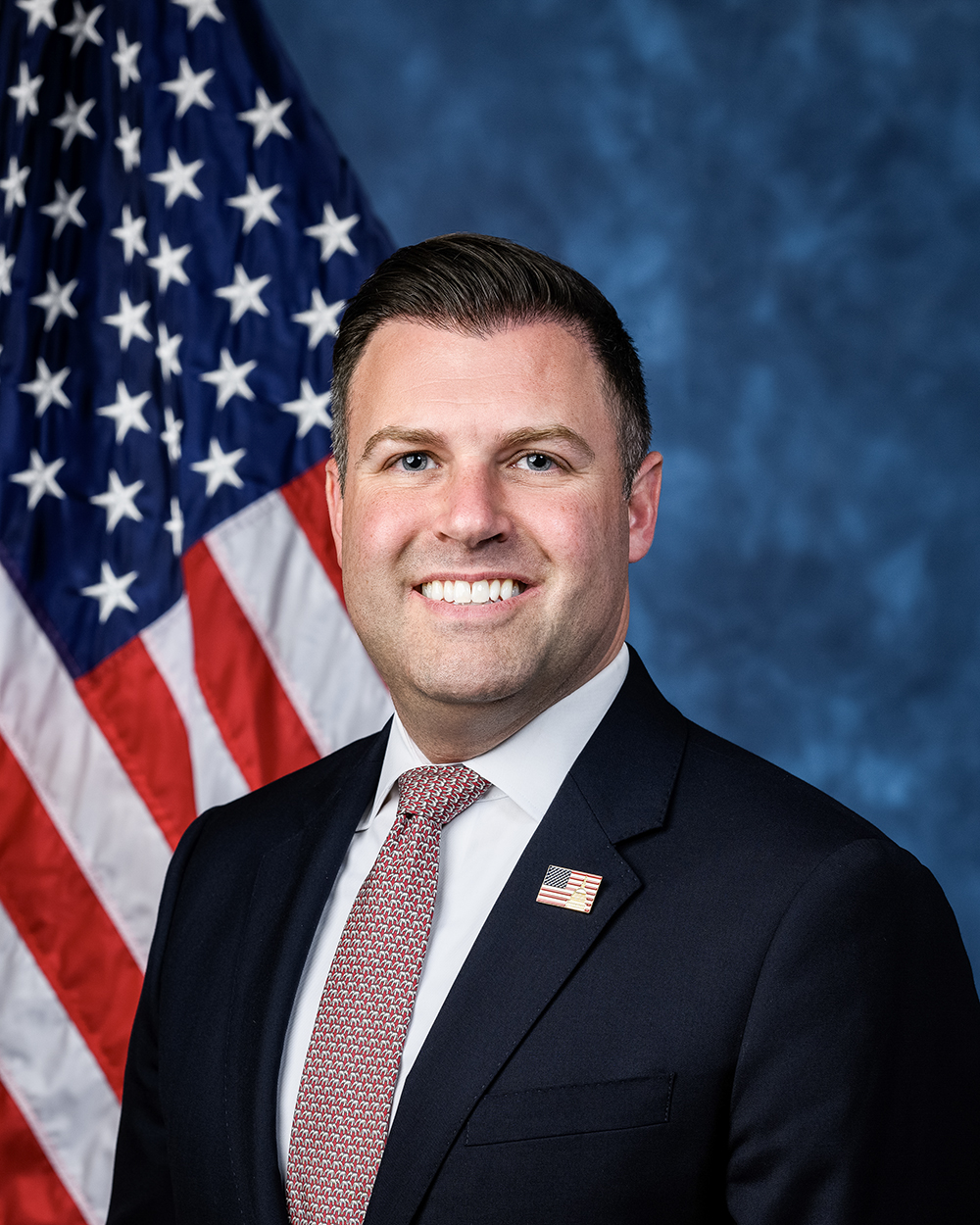
Rep. Ryan Mackenzie
Sponsored bills
Maddy summaryHR 4782, the Local Farmers Feeding our Communities Act, establishes a USDA program to connect local farmers with food distribution networks. It requires eligible entities (like state agriculture agencies) to use funds to purchase unprocessed or minimally processed local foods from covered producers - including at least 25% from small-size, mid-size, beginning, or veteran farmers - while providing technical assistance for food safety and supply chains. The bill allocates $200 million annually (2026-2030) from the Commodity Credit Corporation, mandating 10% for Tribal governments and 1% per state before distributing remaining funds. This directly supports regional food security by boosting economic opportunities for local farmers and improving access to fresh, nutritious food through established distribution channels.
Maddy summaryHR 4509, the NOPAIN for Veterans Act, requires the Department of Veterans Affairs (VA) to add FDA-approved non-opioid pain medications to its national formulary within one year of their approval for pain management. These medications must reduce pain without acting on opioid receptors, directly affecting veterans receiving VA care who need pain treatment. The bill mandates the VA include such drugs in its formulary and drug standardization list, expanding access to non-opioid options. It also prohibits using funds from the Cost of War Toxic Exposures Fund to implement these changes, with implementation required within 90 days of the bill's enactment.
Maddy summaryHR 909, the Crime Victims Fund Stabilization Act of 2025, modifies how funds from the False Claims Act are deposited into the Crime Victims Fund. It specifies that from 2025 through 2029, certain False Claims Act proceeds (specifically those for qui tam plaintiff payments and government damage reimbursements) cannot be deposited into the fund. This change directly affects the composition of the Crime Victims Fund by excluding these specific revenue streams during the specified period. The bill does not create new benefits or alter victim services; it only adjusts fund allocation rules for existing False Claims Act revenues.
Maddy summaryHRES 984 is a symbolic resolution designating January 9, 2026, as "National Law Enforcement Appreciation Day." It directly honors all federal, state, local, and tribal law enforcement officers across the United States for their service and sacrifices. The resolution expresses the House's support and gratitude, encourages public observance through ceremonies, and recognizes officers who have made the ultimate sacrifice. As a non-binding resolution, it does not create new laws or policies but serves as a formal expression of appreciation.
Maddy summaryHR 7002, the Justice for Exploited Children Act, amends the Fair Labor Standards Act to increase penalties for employers violating child labor laws involving minors under 18. It adds criminal penalties for repeated or willful violations, including fines up to $100,000 or 5 years in prison, and significantly higher fines for violations causing death or serious injury to child employees (up to $500,000 or 10 years imprisonment). Civil penalties are also raised, with minimum fines of $1,000 for standard violations and $50,000 for violations causing a child’s death (doubled for repeat or willful cases). The bill directly affects employers who violate child labor protections, aiming to strengthen enforcement through steeper financial and criminal consequences.
Maddy summaryHR 2641 requires all federal contractors and subcontractors (at every tier) to elect participation in the E-Verify program, which checks the employment eligibility of new hires. This bill amends the 1996 Immigration Act to mandate that every contractor working with federal agencies must use E-Verify for all new employees. It directly affects businesses that contract with the federal government, including those providing services or goods to agencies. The key mechanism is the mandatory election to participate in E-Verify, replacing the current voluntary system for federal contractors.
Maddy summaryHR 6837 amends federal law to require pharmacy benefit managers (PBMs) to act as fiduciaries for employer-sponsored health plans, meaning they must prioritize plan participants' interests. The bill mandates PBMs to disclose how they receive compensation (including rebates or fees) from drug manufacturers or other sources. It also prohibits PBMs from avoiding liability for mistakes by seeking indemnification and clarifies that PBMs cannot be the "responsible fiduciary" for disclosure purposes. These changes apply to group health plans starting 12 months after the bill becomes law.
Maddy summaryThis bill creates a tax exclusion for certain holiday bonuses, allowing employees to receive up to $2,500 tax-free each year. It directly affects employees who receive employer-paid bonuses in November, December, or January, excluding that amount from taxable income. The $2,500 limit adjusts for inflation annually after 2026. Employers must report these bonuses on employees' W-2 forms, and the provisions take effect for bonuses paid on or after November 1, 2025.
Maddy summaryThis bill requires TRICARE to cover fertility-related care, including in vitro fertilization (IVF), for active-duty military members and their dependents starting October 2027. It mandates up to three IVF cycles per year with single embryo transfers by default (unless medically necessary), eliminates cost-sharing barriers after an infertility diagnosis, and prohibits coverage for genetic screening, cloning, or artificial wombs. The law defines "infertility" based on medical guidelines and specifies covered treatments like egg/sperm retrieval, embryo preservation, and fertility medications. It does not apply to former service members or their dependents.