

Maddy summaryThis resolution formally recognizes the vital contributions of academic medicine and designates the week of June 8 through 12, 2026, as Academic Medicine Week. It highlights the essential roles played by medical schools, teaching hospitals, and researchers in training healthcare professionals, conducting medical research, providing patient care, and supporting community health. The bill also notes the significant economic impact of these institutions, which contribute billions to the national GDP and support millions of jobs.
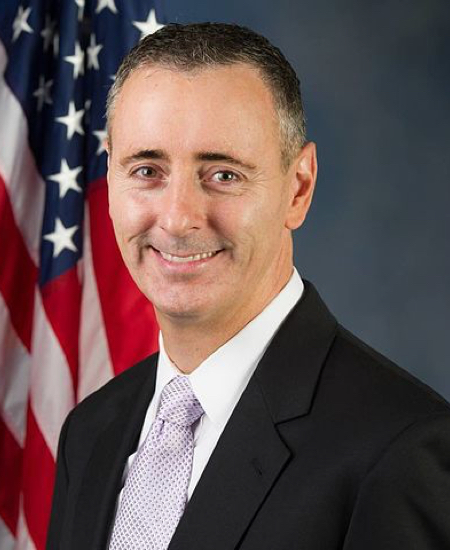
Rep. Brian K. Fitzpatrick
Sponsored bills
Maddy summaryThe BLAST Act prohibits former Members of Congress and elected officers from lobbying Congress after leaving office. Under this law, these individuals cannot register as lobbyists or make communications intended to influence legislation on behalf of others. The bill also expands the legal definition of a lobbyist to include former officials who are paid to engage in lobbying activities, even if they do not make direct contacts. These restrictions apply to anyone who leaves their position on or after the date the law is enacted.
Maddy summaryThis resolution expresses support for designating May 2026 as Mental Health Awareness Month to highlight the importance of mental well-being and reduce stigma. It does not create new laws or allocate funding but serves as a formal statement acknowledging the rising rates of mental illness, suicide, and disparities in care across the United States. The text cites various statistics regarding anxiety, depression, and access to treatment to underscore the need for public awareness and continued efforts by medical and community organizations. Ultimately, the bill encourages citizens and institutions to use this month to promote mental health resources and support for individuals and families affected by mental illness.
Maddy summaryThis resolution formally designates May 2026 as Borderline Personality Disorder Awareness Month to highlight the condition and reduce associated stigma. The bill does not allocate funding or change laws, but rather expresses the House of Representatives' support for raising public awareness about BPD. By recognizing the month, the resolution aims to encourage education and compassion for the millions of Americans affected by this mental health condition.
Maddy summaryThis bill, titled the National Police Athletic/Activities League Youth Enrichment Reauthorization Act, provides federal funding to expand youth programs run by the National Police Athletic/Activities League. The legislation authorizes $16 million annually from 2028 to 2032 to help the organization establish 250 new chapters in distressed areas and expand existing ones to serve more children. Grant funds must be used for after-school activities that include mentorship, academic support, sports, and training to prevent drug use and gang involvement. The program is designed to foster positive relationships between law enforcement and youth while offering alternatives to risky behaviors in communities with high numbers of at-risk children. Recipients of the funds are required to submit reports on their progress and ensure that local communities help design the specific activities offered.
Maddy summaryThe Celiac Safety Act of 2026 officially classifies gluten-containing grains as a major food allergen under federal law, directly impacting the food industry and individuals with celiac disease or gluten intolerance. This change requires manufacturers to label products containing wheat, rye, barley, or their crossbred hybrids with the same prominence as other major allergens like milk. The new labeling requirements will not take effect until 18 months after the law is enacted, giving businesses time to adjust their packaging and production processes.
Medal of Sacrifice Act of 2025 This act directs the President to issue a medal of sacrifice for eligible law enforcement officers and first responders who are killed in the line of duty. The act also directs the President to establish a commission on the medal of sacrifice and appoint its members. The act sets forth responsibilities of the commission, including to advise on the design of the medal and determine how the medal will be presented. Under the act, eligible law enforcement officers and first responders include federal, state, local, tribal, or territorial law enforcement officers or first responders who are not subject to an official act of wrongdoing (e.g., a determination that the officer or first responder acted outside the scope of their duties or in a manner that was not in accordance with official policies or procedures). A law enforcement officer or first responder who is subject to an official act of wrongdoing is generally not eligible for the medal of sacrifice. However, in the case of such an officer or first responder, the act requires the commission to investigate the circumstances surrounding the officer or first responder's cause of death and issue a final determination on their eligibility.
Maddy summaryH.Res. 1320 is a non-binding resolution that calls on all Americans to honor military personnel who died while serving in the pursuit of freedom and peace on Memorial Day 2026. The bill does not create new laws or change any policies; instead, it serves as a formal expression of gratitude and remembrance from the House of Representatives. Because it is a commemorative resolution rather than a procedural or funding measure, it has no direct legal effect on individuals or government operations.
Maddy summaryThe SCREEN for Type 1 Diabetes Act of 2026 directs the Centers for Disease Control and Prevention to launch a national public awareness campaign focused on type 1 diabetes detection, screening, and management. This initiative will provide written materials and public service announcements across various media platforms, including social media and television, while consulting with health organizations, schools, and community groups to ensure the content is culturally and linguistically appropriate. The bill authorizes $5 million annually from 2027 to 2031 to fund grants for nonprofit entities and state or local health departments to distribute these resources and increase screening access in communities with high incidence rates. Additionally, the law requires the Secretary of Health and Human Services to submit a report to Congress within one year detailing the campaign's activities and its impact on diabetes detection and management.
Maddy summaryThe Rental Housing Investment Act provides tax incentives to encourage the development of new long-term residential rental properties in the United States. It allows developers to take an accelerated depreciation deduction of up to $150,000 per unit for buildings containing at least two dwelling units, with an increased limit of $250,000 per unit for projects designated as affordable housing. To ensure these properties remain available for rent, the bill includes rules that require the buildings to be used for rental purposes for at least 10 years, or 15 years for affordable housing, before the tax benefits are recaptured. These changes apply to properties placed in service after a 12-month delay following the law's enactment.