

Maddy summaryHR 7543, the Plastic Pellet Free Waters Act, prohibits plastic pellets and pre-production plastic materials from being discharged into waterways through wastewater, spills, or runoff from specific facilities. It directly affects plastic manufacturing, molding, packaging, and transportation facilities regulated under existing environmental rules. Within 60 days of enactment, the EPA must issue a rule banning these discharges and update all relevant wastewater, stormwater, and performance standards in permits. The law requires all permits and standards for these facilities to reflect the new ban, ensuring plastic pellets cannot enter water systems. This is a concrete regulatory change to prevent plastic pollution at its source.
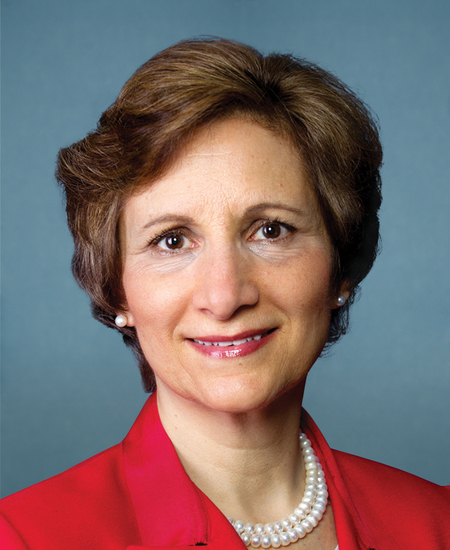
Rep. Suzanne Bonamici
Sponsored bills
Maddy summaryThis non-binding joint resolution (HJRES 149) commemorates the 125th anniversary of the Army Nurse Corps' establishment on February 2, 1901, and expresses congressional gratitude for the service of all Army nurses. It directly honors past and present members of the Army Nurse Corps, recognizing their historical contributions in every major U.S. conflict since the Civil War. The resolution contains no policy changes or funding provisions - it solely serves to formally acknowledge their dedication through four statements of tribute and appreciation. As a ceremonial resolution, it affects no legislation or beneficiaries beyond this symbolic recognition.
Maddy summaryThis resolution (HRES 1063) is a symbolic measure designating February 2026 as "Career and Technical Education Month" to recognize the importance of career and technical education (CTE) programs. It does not create new policies or funding but formally supports CTE's role in preparing students for high-demand jobs by encouraging educators and parents to promote CTE as a valid educational pathway. The resolution references CTE's alignment with workforce needs and cites bipartisan support from past legislation like the 2018 Strengthening Career and Technical Education Act. It affects no specific individuals or programs, serving only as a non-binding statement of support.
Maddy summaryThis bill requires most employers to provide workers with earned paid sick leave. Employees would earn 1 hour of paid sick time for every 30 hours worked, up to 56 hours per year, which can be used for their own illness, medical care, caring for family members (including children, parents, spouses, domestic partners, or other family-like relationships), or addressing domestic violence, sexual assault, or stalking situations. The bill prohibits employers from retaliating against workers who use this leave and requires employers to inform employees about their rights. It ensures that workers who leave and return to the same employer within a year can reinstate their unused sick leave. This law would not override more generous state or local paid leave policies.
Maddy summaryHR 7524, the Older Workers’ Bureau Act, establishes a new bureau within the Department of Labor to address workplace challenges for older workers. The bureau will conduct research on issues like age discrimination, wage disparities, retirement readiness, and access to workplace flexibility for workers aged 55 and older, and administer grant programs to combat structural ageism and improve employment opportunities. It requires annual reports on federal programs supporting older workers and prioritizes grants for organizations serving disadvantaged older workers in areas lacking targeted training. The act authorizes $10 million annually for these research and grant activities starting in fiscal year 2028. This directly affects older workers (55+) and organizations providing services to them, focusing on concrete policy research and program coordination.
Maddy summaryHRES 1058 is a non-binding House resolution recognizing the federal government’s duty to develop a Transgender Bill of Rights. It calls for specific policy changes, including amending civil rights laws to explicitly prohibit discrimination based on gender identity in employment, housing, and public accommodations; protecting access to gender-affirming medical care; and streamlining legal recognition of gender identity on federal documents like passports and voter registration. The resolution also proposes expanding protections for transgender and nonbinary individuals in healthcare, education, immigration, and correctional facilities, while emphasizing community-led policy development. As a resolution, it does not create new law but sets a framework for future legislative action.
Maddy summaryHR 7498, the After Hours Child Care Act, creates a new Child Care and Development Innovation Fund to expand child care access for parents working nontraditional hours (like evenings, nights, or weekends). The bill directly affects working parents with young children who struggle to find care outside standard 9-to-5 hours, aiming to help them stay employed and advance in their careers. It authorizes $25,000-$500,000 grants for up to 5 years to eligible entities (such as child care providers or partnerships with businesses) to expand existing programs, establish new onsite workplace child care, or improve facilities and staff training. Grantees must cover 25% of costs, and the Secretary of Health and Human Services must report every two years on the program’s impact, including children served and changes in child care availability.
Maddy summaryHRES 1002 is a symbolic House resolution recognizing the Older Americans Act (OAA) nutrition program, which provides meals and social services to seniors aged 60+. It directly affects millions of older adults - particularly those who are homebound, isolated, or facing hunger, malnutrition, or chronic health conditions - by highlighting how the program reduces hospital visits, lowers healthcare costs, and improves quality of life. Key provisions include acknowledging the program’s role in preventing falls and institutionalization, emphasizing volunteer support as its "backbone," and urging Congress to secure sustained federal funding. As a non-binding resolution, it does not change policy but formally endorses the program’s value and calls for community and legislative support.
Maddy summaryThe Rebuild America's Schools Act of 2026 authorizes $20 billion annually from 2027 to 2031 to improve public school facilities nationwide. The bill provides grants to states to fund school construction, renovation, and modernization projects that focus on safety, energy efficiency, and accessibility, with priority given to schools serving high percentages of students eligible for free or reduced-price lunch. Funds cannot be used for routine maintenance, athletic facilities, or vehicles, and must meet specific environmental, safety, and energy efficiency standards. The bill also includes specific provisions for repairing school foundations affected by pyrrhotite, a mineral that causes concrete deterioration, and requires use of American-made materials for construction projects.
Maddy summaryHR 7346, the Drain ICE Act of 2026, repeals specific funding provisions (sections 90003 and 100052) from the "One Big Beautiful Bill Act" and cancels all unspent funds allocated under those sections. This bill directly affects ICE’s detention budget by removing existing financial authority for detention operations. It does not change immigration enforcement practices or directly impact individuals; it solely modifies budgetary allocations. The bill focuses on eliminating funding mechanisms, not on policy changes for migrants or enforcement. (Procedural bill; summary limited to 2 sentences as specified.)