

Maddy summaryThis bill, titled the Interstate Milk Freedom Act of 2026, would prevent federal agencies from blocking the sale of unpasteurized milk and milk products across state lines. It allows such products to be shipped interstate if they are packaged for direct human consumption, produced in a state that permits their sale, and intended for another state that also allows their distribution. The legislation defines specific terms like "cowshare" to include ownership interests in dairy animals and clarifies what constitutes pasteurization. Importantly, the bill does not override state laws and only restricts federal interference when the product meets the stated conditions.
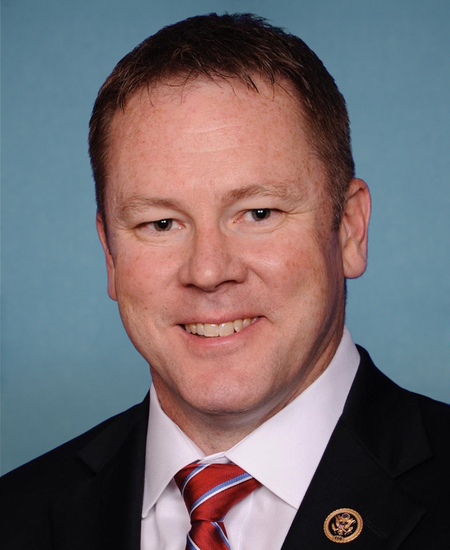
Rep. Warren Davidson
Sponsored bills
Maddy summaryThis bill, the "American Lending Fairness Act of 2026," makes changes to federal laws governing interest rates charged by financial institutions, primarily impacting how state-chartered banks and credit unions operate across state lines. It repeals a current federal law (Section 525 of the Depository Institutions Deregulation and Monetary Control Act of 1980) that has allowed states
Maddy summaryThis bill, known as the Promoting Innovation in Blockchain Development Act, modifies federal law to include digital assets like cryptocurrencies within the existing legal framework for money laundering. It directly affects individuals and organizations involved in blockchain technology by expanding the definition of what constitutes currency under the Racketeer Influenced and Corrupt Organizations Act. The key provision adds language recognizing that digital value substitutes for traditional currency, ensuring these assets are covered by current anti-money laundering regulations. This change aims to clarify legal protections and compliance requirements for the growing blockchain industry without altering other parts of the law.
Maddy summaryThe Government Surveillance Transparency Act of 2026 limits how long courts can keep surveillance orders, applications, and related documents sealed (maximally 180 days initially, with limited extensions), and requires courts to make key details about these surveillance cases publicly available through docket records. It mandates law enforcement to provide notice to individuals whose communications were surveilled, with limited exceptions for ongoing investigations, and establishes new reporting requirements for courts about surveillance orders. The bill also creates grants to help state and tribal courts implement these transparency requirements. This law directly affects federal, state, and tribal courts, law enforcement agencies, and individuals whose communications are subject to surveillance.
Maddy summaryHR 7678, the Gun Owner Registration Information Protection Act, prohibits federal funding for state or local databases that track lawfully owned firearms or their owners. The bill allows federal funding for databases recording lost or stolen firearms but bans it for databases listing legal gun ownership. This means states cannot use federal money to create or maintain systems that compile information about legally owned guns. The bill directly affects state and local governments that rely on federal funds for firearm ownership databases.
Maddy summaryThis bill requires the Federal Reserve, Office of the Comptroller of the Currency, and FDIC to provide detailed annual reports on their interactions with international financial regulatory forums. The reports must include information about the forums they participate in, their funding sources, how their work aligns with U.S. interests, and the positions taken by U.S. representatives. The bill specifically targets five major international financial regulatory bodies including the Basel Committee on Banking Supervision and Financial Stability Board. These reporting requirements will be added to the agencies' existing annual reports to Congress. The legislation aims to increase transparency about U.S. financial regulatory engagement with international bodies.
Maddy summaryHR 6552, the Bank-Fintech Partnership Enhancement Act, mandates a study by the Federal Reserve, Comptroller of the Currency, and FDIC into how partnerships between banks and financial technology companies support new banking formations and community bank health. The study must examine specific benefits like reduced time-to-market for products, lower compliance costs, and improved technological capabilities, then identify potential legal or regulatory changes to foster such partnerships. The regulators must submit a report to Congress within six months of the bill's enactment. This is a procedural bill focused on research, not direct policy changes affecting businesses or consumers.
Maddy summaryHR 6541, the Regulation A+ Improvement Act of 2025, increases the funding cap for small businesses using Regulation A+ crowdfunding from $50 million to $150 million, adjusted for inflation every two years based on the Consumer Price Index. This change directly affects small businesses and startups seeking to raise capital through simplified public offerings. The key mechanism is raising the cap while adding automatic inflation adjustments to maintain its real value over time. This policy update aims to provide more accessible capital for smaller issuers under the Securities Act of 1933.
Maddy summaryHR 6546, the Merger Process Review Act, requires the Inspector General of four federal banking regulators (the Federal Reserve, Comptroller of the Currency, FDIC, and NCUA) to annually review and report on how quickly and efficiently these agencies process applications for bank and credit union mergers. The reviews, conducted every three years starting one year after the bill's enactment, will analyze metrics like average processing times, identify delays, and recommend improvements to speed up the merger approval process. This directly affects banks, credit unions, and the federal agencies that oversee their mergers by mandating transparency and accountability in handling these applications. The bill does not change merger rules but requires regular, data-driven evaluations to reduce unnecessary delays in the approval process.
Respect State Housing Laws Act This bill eliminates a provision that requires a 30-day notice period before a landlord may begin eviction proceedings against a tenant in federally assisted or federally backed housing.