Maddy summaryHR 813, the FIZZ-NO Act of 2025, amends the Food and Nutrition Act to prohibit using SNAP benefits for carbonated drinks containing more than 1 gram of added sugar, artificial sweetener, or flavoring per serving. This directly affects SNAP recipients by restricting their ability to purchase these specific beverages with their benefits. The bill defines "soda" in the law and adds it to the list of items ineligible for purchase with SNAP funds, alongside alcoholic beverages. The changes will take effect 180 days after the bill is enacted.
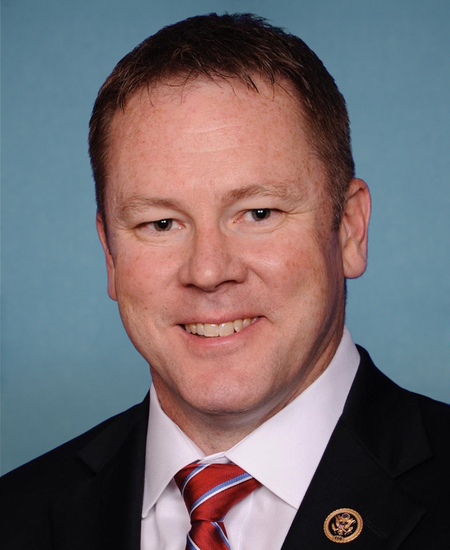
Rep. Warren Davidson
Sponsored bills
Maddy summaryHR 1754, the FARM Act of 2025, blocks tax credits for renewable energy projects on agricultural land. It amends the tax code to deny credits under Sections 48 (solar) and 45 (wind) for public utilities installing solar or wind facilities on agricultural land as defined by existing law (Food Security Act of 1985). The bill directly affects public utilities seeking tax incentives for new renewable energy installations on farmland. The provisions apply to property placed in service after the bill's enactment date. This is a tax code change, not a new program, and does not impact individual farmers or non-public utility projects.
Maddy summaryThis bill awards a Congressional Gold Medal to the 761st Tank Battalion (known as the "Black Panthers"), the first predominantly Black armored unit in World War II's European Theater. It recognizes their combat service from 1944-1946, including key roles in the Battle of the Bulge and breaking the Siegfried Line, despite facing racial prejudice during and after the war. The medal will be displayed at the National Museum of African American History and Culture, with bronze duplicates available for sale to cover costs. The bill commemorates the battalion's 130,000 enemy casualties inflicted, 50% casualty rate, and their 1978 Presidential Unit Citation. It does not create new laws or affect current policies.
Protecting Life from Chemical Abortions Act This bill nullifies certain changes made by the Food and Drug Administration (FDA) to dispensing requirements for mifepristone. (Mifepristone is a drug that is approved to end pregnancies through 10 weeks gestation when used in conjunction with the drug misoprostol. The procedure is often referred to as medication abortion or the abortion pill.) The FDA regulates mifepristone through the Mifepristone Risk Evaluation and Mitigation Strategy (REMS) program. The program requires health care providers to comply with certain requirements in order to prescribe or dispense mifepristone to end a pregnancy; the program previously included an in-person dispensing requirement that required mifepristone to be directly dispensed to patients in clinics, medical offices, or hospitals. During the COVID-19 public health emergency, the FDA stopped enforcing the in-person dispensing requirement, which allowed mail-order pharmacies to fill and dispense mifepristone prescriptions. In January 2023, the FDA modified program requirements so as to (1) remove the in-person dispensing requirement, and (2) require pharmacies to be program-certified in order to dispense mifepristone. The modifications allow certified retail pharmacies to dispense mifepristone pursuant to prescriptions that are written by certified prescribers. The bill nullifies the January 2023 changes and prohibits the FDA from (1) exercising any enforcement discretion with respect to program requirements, or (2) reducing program protections until every state submits certain data regarding abortions to the Centers for Disease Control and Prevention. The bill also generally prohibits the declaration of a public health emergency with respect to abortions.

Maddy summaryHRES 145 is a resolution by the U.S. House of Representatives to impeach Judge Paul Adam Engelmayer of the Southern District of New York for high crimes and misdemeanors. The resolution's Article I alleges Judge Engelmayer abused his judicial authority by improperly restricting President Trump and Secretary Bessent from accessing Treasury Department records containing personally identifiable and confidential financial data. This action, according to the resolution, violated his oath of impartiality and duty to the public. The resolution does not enact policy but initiates the impeachment process, which would require Senate trial for removal from office.
Maddy summaryHR 1502 authorizes the creation of a Congressional Gold Medal to honor the volunteers and communities (primarily from Nebraska, Colorado, and Kansas) who supported the North Platte Canteen during World War II. The bill directs the Treasury Secretary to design and strike the medal, which will be presented to the individuals who contributed to the canteen’s operations and then permanently displayed at the Lincoln County Historical Museum in North Platte, Nebraska. It also permits the sale of bronze duplicates to cover production costs, with proceeds going to the U.S. Mint. This is a commemorative measure recognizing historical service, not a policy change affecting current laws or programs.
Maddy summaryThis bill requires all executive agencies (excluding the White House) to relocate their headquarters outside the Washington, D.C. metropolitan area by 2030. Agencies must submit relocation plans by September 2026, aiming to limit Washington-area staff to no more than 10% of their total workforce while seeking cost savings and considering national security. The law repeals a current requirement keeping agency headquarters in the D.C. area and defines the "Washington metropolitan area" as D.C. plus specific counties in Maryland and Virginia.
Maddy summaryHR 1488 repeals two laws that authorized U.S. military force against Iraq: the 1991 Gulf War authorization and the 2002 Iraq War authorization. This bill removes the legal basis for military operations under these specific resolutions, directly affecting how future U.S. military actions in Iraq could be justified. The key provision is the direct repeal of both resolutions from federal law, eliminating their continued legal effect. As a result, any new military action in Iraq would require fresh congressional authorization rather than relying on these repealed laws.
Maddy summaryHR 1432, the LIABLE Act, removes federal immunity for manufacturers of authorized COVID-19 vaccines regarding claims of injury or loss from vaccine administration or use. It directly affects vaccine manufacturers by allowing individuals to pursue civil lawsuits for vaccine-related harm, regardless of prior compensation through existing programs like the National Vaccine Injury Compensation Program. The bill explicitly overrides previous laws (such as sections 319F-3, 2111, and 2122 of the Public Health Service Act) that previously limited manufacturer liability. This law applies retroactively to all vaccine administration or use occurring before, during, or after the bill’s enactment.
Maddy summaryHR 1436, the ENABLE Act, makes permanent key tax provisions for ABLE accounts - tax-advantaged savings accounts for people with disabilities. It removes the 2026 expiration date for increased contribution limits to ABLE accounts and allows rollovers from 529 college savings plans into ABLE accounts without tax penalties. These changes directly affect individuals with disabilities who use ABLE accounts for qualified expenses like housing, education, and medical costs. The bill ensures these financial tools remain available long-term, streamlining access to savings without requiring new legislative action each year.