

Maddy summaryThis bill renames a U.S. Postal Service facility at 80 Prospect Street in Avon, New York, as the "Officer Anthony Mazurkiewicz Memorial Post Office Building" to honor the late officer. It updates all official government references, documents, and records to use the new name. The bill has no policy impact beyond this ceremonial designation, directly affecting only the postal facility's official identification.
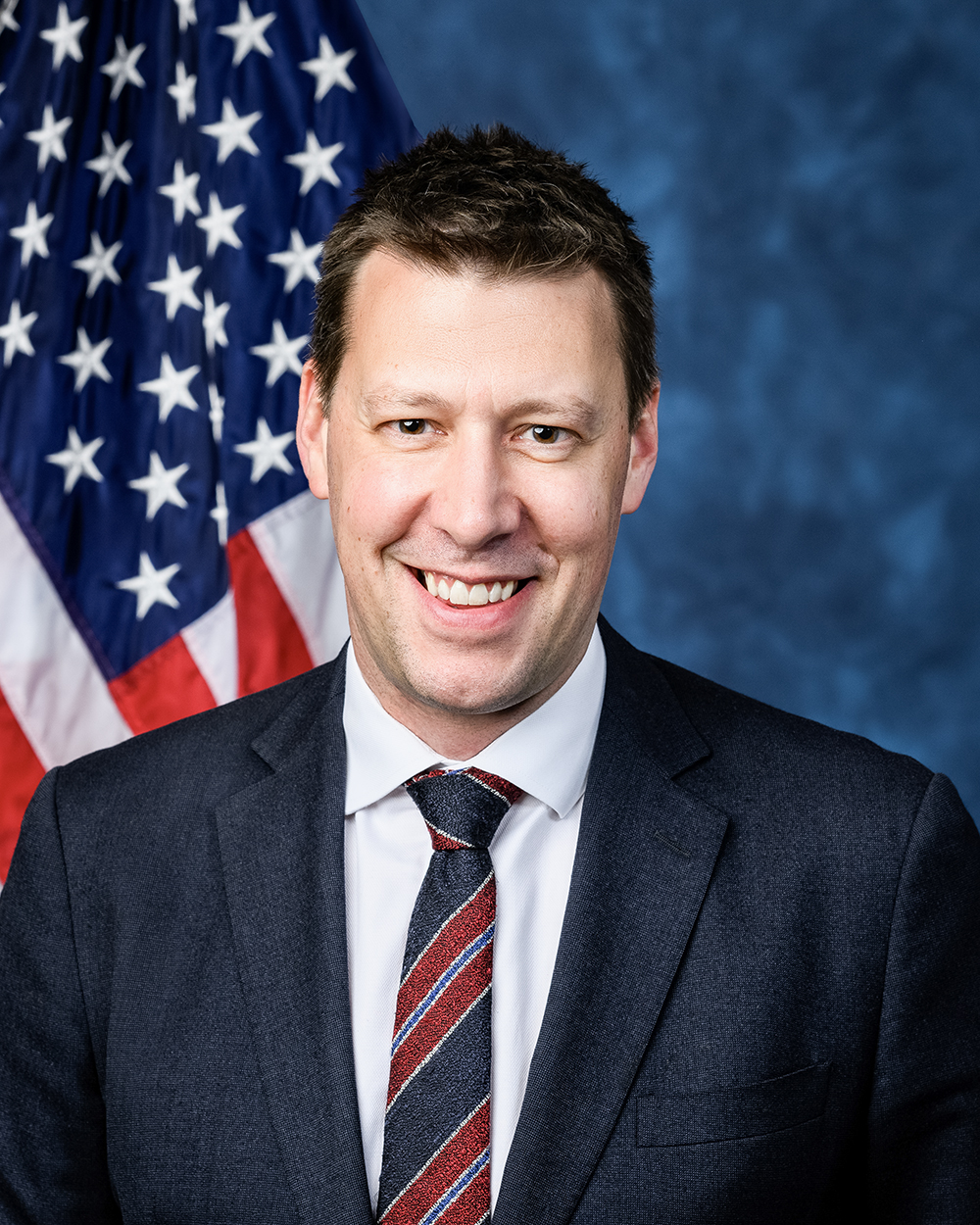
Rep. Josh Riley
Sponsored bills
Maddy summaryThe Medicare at Home Act would expand Medicare coverage to include up to 20 hours per week of personal care services for seniors and people with disabilities in their own homes. To qualify, individuals must be enrolled in Medicare and certified by a doctor as needing assistance with at least two daily living tasks, such as bathing or dressing, while not already receiving duplicate long-term care from state programs. The bill requires a physician to create a care plan that includes help with activities like meal preparation and medication reminders, and it mandates a wage floor for home care workers. Financing for this new benefit would come through adjustments to monthly Medicare premiums, with specific rules set for how payments are made to agencies and individuals providing the care.
Maddy summaryThis bill establishes federal protections and funding to expand access to in vitro fertilization and intrauterine insemination for individuals, military service members, and veterans. It requires most private health plans, Medicaid programs, and Medicare to cover these fertility treatments without imposing higher cost-sharing than other medical services. Additionally, the legislation mandates that the Department of Defense and the Department of Veterans Affairs provide specific fertility preservation and treatment benefits to uniformed service members and eligible veterans. The bill also includes preemption clauses that override state laws restricting these procedures and prohibits discrimination based on marital status, sex, or sexual orientation in the provision of care.
Maddy summaryThis bill designates the United States Postal Service facility at 114 John Street in New York, New York, as the "Jack Greenberg Post Office." The legislation requires that all official government records, maps, and documents referring to this location use the new name. This change is intended to honor Jack Greenberg, a prominent civil rights attorney, by permanently associating his name with the building.
Maddy summaryThis bill reauthorizes and expands the Accelerating Access to Critical Therapies for ALS Act through 2031, extending funding for research into treatments for amyotrophic lateral sclerosis. It requires drug manufacturers to share interim clinical trial data with the FDA to better assess the progress of investigational drugs and clarifies that phase 3 clinical trial definitions include combined phase 2/3 trials and planned trials not yet enrolling participants. The legislation also mandates the FDA to publish an updated five-year action plan for ALS and other rare neurodegenerative diseases, including resource needs and coordination strategies with broader disease communities. Additionally, the bill requires the Government Accountability Office to submit a report on the program's implementation four years after enactment.
Maddy summaryThe Protecting Childcare from Private Equity Act requires the Securities and Exchange Commission to collect and report data on private funds that own or control childcare providers. It restricts these large private funds from selling their interests in childcare entities or taking dividends for four years after they first gain control. Additionally, the bill mandates a study by the Comptroller General to examine how private equity ownership affects childcare quality, availability, costs, and employee wages. These measures specifically target private funds with over $150 million in assets that operate childcare at more than 25 locations.
Maddy summaryThis bill expands federal election laws to prevent foreign nationals from influencing U.S. elections by tightening restrictions on domestic companies with significant foreign ownership or control. It requires businesses that are at least 50% owned by foreign individuals, or those with specific foreign influence, to file a sworn certification proving they are not foreign-controlled before making any political donations or spending money on election activities. Additionally, the law clarifies that these rules apply to state and local ballot initiatives and mandates that corporate political action funds certify their managers and board members are U.S. citizens or permanent residents. The legislation also prohibits recipients of funds from these businesses from using the money for further political contributions unless they receive and verify the required compliance certification.
This bill designates the facility of the United States Postal Service located at 80 Atlantic Avenue in Oceanside, New York, as the "Detective Luis G. Alvarez Post Office".
Maddy summaryThis bill directs the Federal Trade Commission to investigate and report on alleged antitrust violations within the fire truck manufacturing industry. The resolution specifically examines issues such as price fixing, price gouging, serial acquisitions, and monopolization that have led to rising costs and long delivery times for fire departments. By citing concerns over market consolidation and safety risks from outdated equipment, the bill aims to gather facts on how these practices affect public safety and local governments. The FTC is required to submit its findings and recommendations to Congress within one year of the bill's adoption.
Maddy summaryThis bill reauthorizes federal programs focused on preventing and responding to tick-borne diseases through 2026-2030, extending existing efforts beyond their previous expiration. It updates the National Strategy for Vector-Borne Diseases to emphasize identifying, reporting, preventing, and responding to these illnesses. The bill modifies two sections of the Public Health Service Act to continue funding for health departments working on vector-borne disease control. It directly affects public health programs and state/local health departments managing tick-borne disease prevention and response.