

Combatting Racist Training in the Military Act of 2021 This bill prohibits the Armed Forces and academic institutions of the Department of Defense from promoting specified anti-American and racist theories (e.g., that any race is inherently superior or inferior to any other race). Specifically, the bill prohibits including anti-American and racist theories or materials in curricula, reading lists, seminars, workshops, trainings, or other educational or professional settings in a manner that could appear as sponsorship, approval, or endorsement; contracting with, hiring, or otherwise engaging speakers, consultants, diversity trainers, and other persons for the purpose of advocating anti-American and racist theories; compelling members of the Armed Forces to affirm or profess belief in anti-American and racist theories; and segregating members of the Armed Forces by race in any setting, including educational and training sessions.
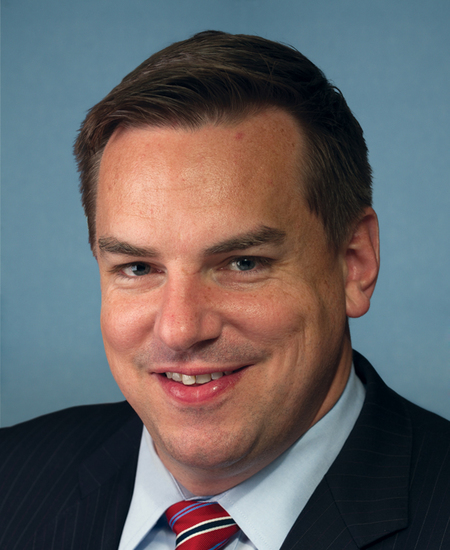
Rep. Richard Hudson
Sponsored bills
Personal Health Investment Today Act of 2021 or the PHIT Act of 2021 This bill allows a medical care tax deduction for up to $1,000 ($2,000 for a joint return or a head of household) of qualified sports and fitness expenses per year. The bill defines qualified sports and fitness expenses as amounts paid exclusively for participating in a physical activity, including (1) fitness facility memberships, (2) physical exercise or activity programs, or (3) equipment for a physical exercise or activity program.
Repealing Illegal Freedom and Liberty Excises Act or the RIFLE Act This bill repeals the excise tax on the transfer of firearms. The bill shall not be construed as placing any regulated firearms under the jurisdiction of the U.S. Consumer Product Safety Commission.
Preventing Foreign Attempts to Erode Healthcare Innovation Act This bill prohibits the use of federal funds to support, allow, or facilitate the negotiation or approval of any measure at the World Trade Organization to waive intellectual property rights, including the petition titled Waiver from Certain Provisions of the TRIPS Agreement for the Prevention, Containment, and Treatment of COVID-19 . (The petition was submitted by India and South Africa to suspend all intellectual property rights associated with COVID-19 innovations, such as vaccines.)
Mainstreaming Addiction Treatment Act of 2021 This bill removes the requirement that a health care practitioner apply for a separate waiver through the Drug Enforcement Administration (DEA) to dispense certain narcotic drugs (e.g., buprenorphine) for maintenance or detoxification treatment (i.e., substance use disorder treatment). Further, a community health aide or community health practitioner may dispense certain narcotic drugs for maintenance or detoxification treatment without registering with the DEA if the drug is prescribed by a health care practitioner through telemedicine. It preempts state laws related to licensure for this activity. The bill also directs the Substance Abuse and Mental Health Services Administration to conduct a national campaign to educate health care practitioners and encourage them to integrate substance use disorder treatment into their practices.
LEOSA Reform Act This bill broadens the authority for certain law enforcement officers to carry concealed firearms across state lines. Specifically, the bill allows qualified active and retired law enforcement officers to carry concealed firearms and ammunition (including magazines) in school zones; in national parks; on state, local, or private property that is open to the public; and in certain federal facilities that are open to the public. Further, the bill permits states to reduce the frequency with which retired law enforcement officers must meet certain qualification standards.
Pain-Capable Unborn Child Protection Act This bill establishes a new criminal offense for performing or attempting to perform an abortion if the probable post-fertilization age of the fetus is 20 weeks or more. A violator is subject to criminal penalties—a fine, a prison term of up to five years, or both. The bill provides exceptions for an abortion (1) that is necessary to save the life of the pregnant woman, or (2) when the pregnancy is the result of rape or incest. A physician who performs or attempts to perform an abortion under an exception must comply with specified requirements. A woman who undergoes a prohibited abortion may not be prosecuted for violating or conspiring to violate the provisions of this bill.
Student Athlete Level Playing Field Act This bill generally prohibits an institution of higher education or a covered athletic organization (e.g., an athletic association, a conference, or an organization with authority over intercollegiate athletics) from restricting the ability of a student athlete to enter into an endorsement or agency contract, with exceptions. It also provides for enforcement by the Federal Trade Commission, preempts state laws relating to endorsement or agency contracts, and establishes the Covered Athletic Organization Commission.
Life at Conception Act This bill declares that the right to life guaranteed by the Constitution is vested in each human being at all stages of life, including the moment of fertilization, cloning, or other moment at which an individual comes into being. Nothing in this bill shall be construed to authorize the prosecution of any woman for the death of her unborn child.
No Taxpayer Funding for Abortion and Abortion Insurance Full Disclosure Act of 2021 This bill modifies provisions relating to federal funding for, and health insurance coverage of, abortions. Specifically, the bill prohibits the use of federal funds for abortions or for health coverage that includes abortions. Such restrictions extend to the use of funds in the budget of the District of Columbia. Additionally, abortions may not be provided in a federal health care facility or by a federal employee. Historically, language has been included in annual appropriations bills for the Department of Health and Human Services (HHS) that prohibits the use of federal funds for abortions—such language is commonly referred to as the Hyde Amendment. Similar language is also frequently included in appropriations bills for other federal agencies and the District of Columbia. The bill makes these restrictions permanent and extends the restrictions to all federal funds (rather than specific agencies). The bill's restrictions regarding the use of federal funds do not apply in cases of rape, incest, or where a physical disorder, injury, or illness endangers a woman's life unless an abortion is performed. The Hyde Amendment provides the same exceptions. The bill also prohibits qualified health plans from including coverage for abortions. Currently, qualified health plans may cover abortion, but the portion of the premium attributable to abortion coverage is not eligible for subsidies.