

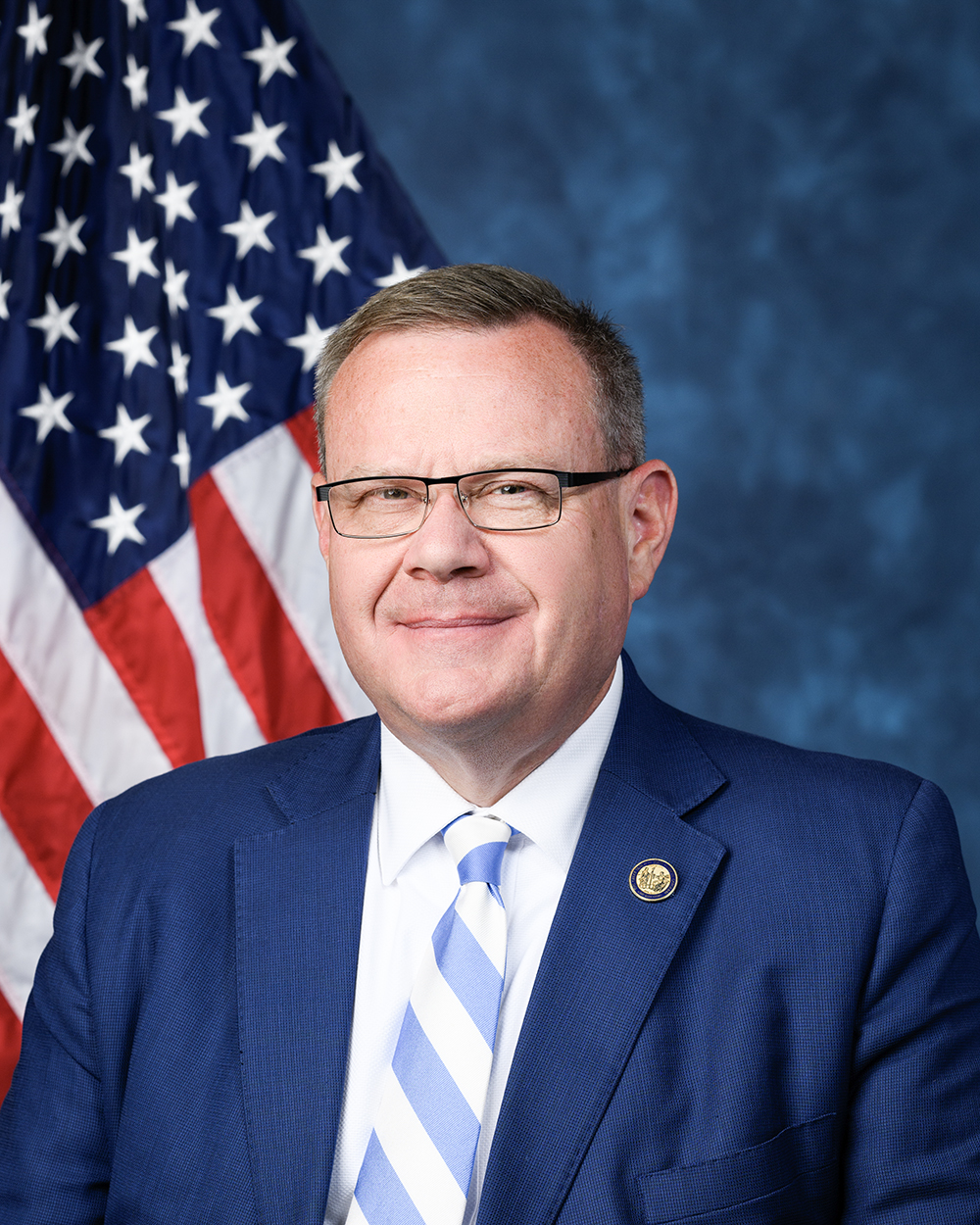
Photo of Tim Moore
R United States House · District 14 · North Carolina On the 2026 ballot

Rep. Tim Moore

Compare
Total votes
650
all sessions
Attendance
100%
2 missed
Higher than 90% of chamber peers
With party
98%
of cast votes
Higher than 77% of chamber peers
Bipartisan score
1%
crosses aisle rarely
Lower than 78% of chamber peers
Sponsored
328
bills & resolutions
Near the chamber average
Committees
5
assignments
328 bills and resolutions

Sponsored bills

Total
328
Primary
31
Co-sponsor
297
This page
328
matching current filters
Co-sponsor HR 377
In committee · Florida House · Co-sponsor
Regulation Reduction Act of 2025

Maddy summaryHR 377, the Regulation Reduction Act of 2025, requires federal agencies to repeal three existing rules before issuing new ones that impose costs or responsibilities on businesses, state/local governments, or individuals. For major new rules, agencies must also certify that the new rule’s cost does not exceed the cost of the repealed rules. Agencies must publish all repealed rules in the Federal Register and submit a 90-day review to Congress identifying costly, ineffective, duplicative, or outdated regulations. This bill directly affects how federal agencies develop new rules, aiming to reduce regulatory burden by mandating rule removal before new rule creation.

In committee Jan 14, 2025 1 co-sponsor
Co-sponsor HR 378
In committee · Florida House · Co-sponsor
Thin Blue Line Act

Maddy summaryHR 378, the Thin Blue Line Act, adds a new aggravating factor for the death penalty in federal cases where a defendant kills or targets a law enforcement officer, firefighter, or other first responder. It specifically applies when the victim was killed or targeted while performing official duties, because of those duties, or due to their status as a public official. This amendment to federal death penalty law would make the death penalty a potential sentencing option for such crimes, as the killing would be considered an aggravating factor. The bill directly affects defendants convicted of homicides meeting these specific circumstances involving public safety personnel.

In committee Jan 14, 2025 1 co-sponsor
Co-sponsor HR 273
In committee · Florida House · Co-sponsor
REMAIN in Mexico Act of 2025

Maddy summaryThis bill directs the Department of Homeland Security to implement the Migrant Protection Protocols (MPP) as outlined in a 2019 policy memo. It requires migrants seeking asylum at the U.S. border to remain in Mexico while their cases are processed, rather than being allowed to stay in the U.S. pending a hearing. The bill does not create new rules but mandates the reinstatement of a policy that was previously in effect from 2019 to 2021. This would directly affect asylum seekers arriving at the U.S.-Mexico border. The policy change would apply to all migrants covered by the existing MPP framework.

In committee Jan 9, 2025 1 co-sponsor
Co-sponsor HJRES 12
In committee · Florida House · Co-sponsor
Proposing an amendment to the Constitution of the United States to limit the number of terms that a Member of Congress may serve.

Maddy summaryThis proposed constitutional amendment would limit Members of Congress to serving a maximum of three terms in the House of Representatives or two terms in the Senate. It directly affects current and future members by preventing those who have already served the maximum terms from seeking re-election. Key provisions include counting vacancies filled for more than a year (House) or three years (Senate) as a full term toward the limit, while excluding terms served before ratification from the count. As a constitutional amendment proposal, it requires approval by three-fourths of state legislatures to become law.

In committee Jan 6, 2025 1 co-sponsor
Co-sponsor HR 32
In committee · Florida House · Co-sponsor
No Bailout for Sanctuary Cities Act

Maddy summaryThis bill denies federal funds to states or localities (sanctuary jurisdictions) that restrict sharing immigration status information or refuse to comply with federal detainer requests under specific circumstances. It specifically blocks funding intended for services like food, shelter, healthcare, legal aid, or transportation for undocumented immigrants. The funding cutoff begins 60 days after enactment or the next fiscal year start. An exception applies if a jurisdiction cooperates when an undocumented immigrant is a crime victim or witness.

In committee Jan 3, 2025 1 co-sponsor
Co-sponsor HR 137
In committee · Florida House · Co-sponsor
TCJA Permanency Act

Maddy summaryHR 137, the TCJA Permanency Act, makes permanent many tax provisions from the 2017 Tax Cuts and Jobs Act. It permanently increases the standard deduction for individual taxpayers, modifies income tax brackets, and makes permanent the child tax credit increase. The bill also permanently limits deductions for state and local taxes, mortgage interest, and miscellaneous itemized deductions. These changes affect most individual taxpayers who file federal income tax returns.

In committee Jan 3, 2025 1 co-sponsor
Co-sponsor HR 45
In committee · Florida House · Co-sponsor
FIND Act

Maddy summaryHR 45 (FIND Act) requires federal government contractors to certify they do not discriminate against firearm businesses (including manufacturers, dealers, and trade associations) in their policies or practices. The bill mandates that contractors and subcontractors (for contracts over 10% of the prime contract value) certify they have no discriminatory policies and will not adopt them during the contract term. Violations could lead to contract termination and potential debarment. This applies to all federal procurement contracts awarded after the bill's enactment, excluding sole-source contracts. The law aims to ensure firearm businesses are treated equally in government contracting without restricting legitimate business criteria like creditworthiness or legal compliance.

In committee Jan 3, 2025 1 co-sponsor
Co-sponsor HR 142
In committee · Florida House · Co-sponsor
Regulations from the Executive in Need of Scrutiny Act of 2025

Maddy summaryThis bill requires Congress to approve major federal regulations before they take effect. It would mandate that agencies submit detailed reports including cost-benefit analyses, economic impact assessments, and other information to Congress before implementing significant regulations. Major rules - defined as those with at least $100 million annual economic impact or significant effects on costs, competition, or employment - would need a joint resolution of approval from Congress within 70 session days. Nonmajor rules would follow a less stringent disapproval process. The bill aims to increase legislative oversight of the regulatory process, requiring Congress to formally review and approve rules that significantly impact the economy or public regulations.

In committee Jan 3, 2025 1 co-sponsor
Showing 321 to 328 of 328 bills
Previous 1 31 32 33