

Maddy summaryThe PRICE Act (HR 5113) increases penalties for assaulting, resisting, or obstructing U.S. Immigration and Customs Enforcement (ICE) officers or employees. It would double the maximum prison sentence and adjust fines for such offenses when the victim is an ICE officer or employee. This bill directly affects individuals who commit violent or obstructive acts against ICE personnel by imposing harsher punishments. The key provision amends federal law to add a specific penalty enhancement for ICE-related cases within existing assault provisions.
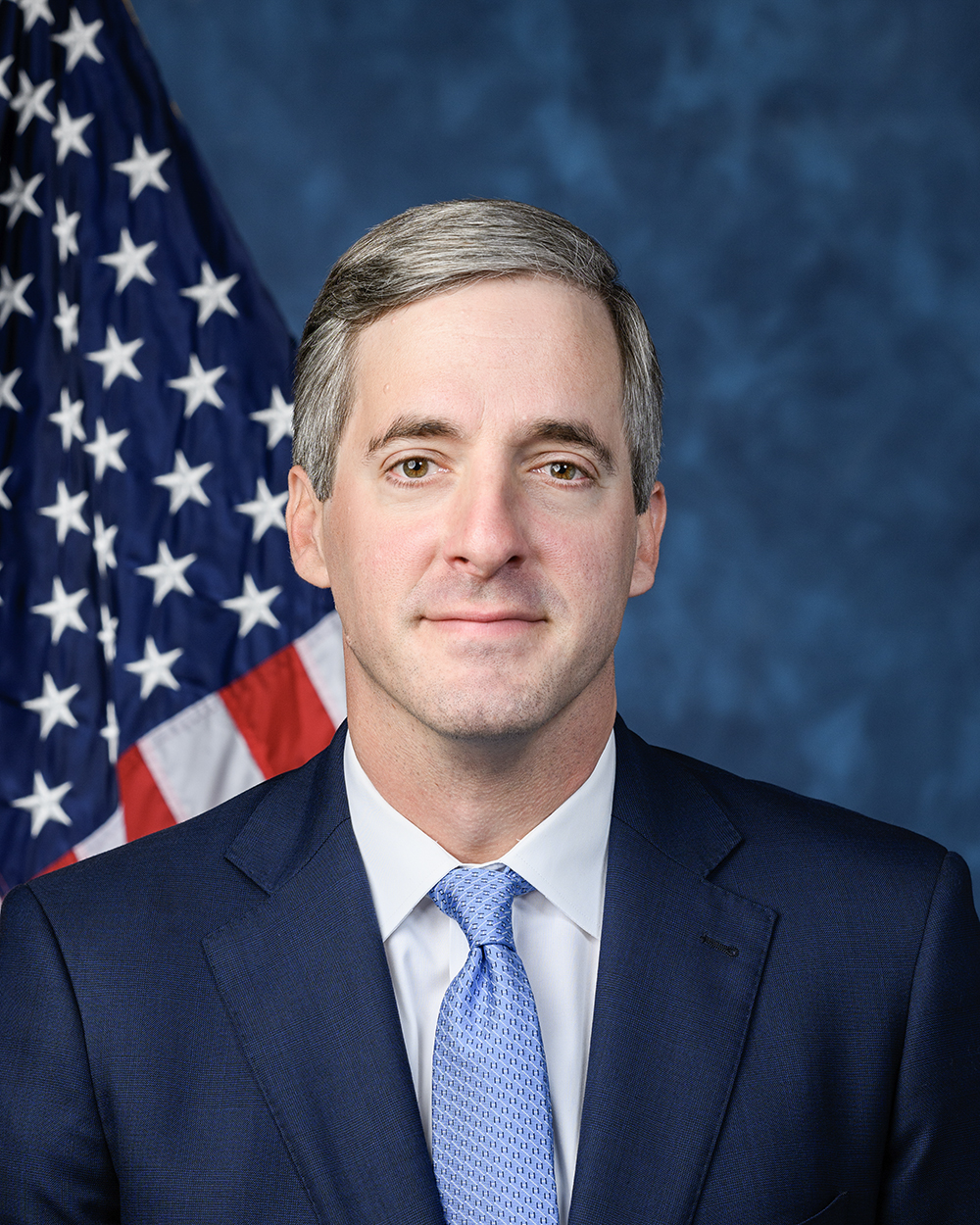
Rep. Brad Knott
Sponsored bills
Maddy summaryHR 4620 amends federal law to include rioting as a form of racketeering activity under Title 18, United States Code. This change would allow prosecutors to charge individuals who organize or participate in riots as part of a larger criminal enterprise under federal racketeering laws. The bill specifically targets coordinated riot activities linked to organized crime, not isolated or spontaneous protests.
Maddy summaryHR 4450, the National Education Association Charter Repeal Act, repeals the federal charter granted to the National Education Association (NEA) under 36 U.S. Code Chapter 1511. This bill directly affects the NEA by removing its status as a federally chartered organization, though the NEA will continue operating as a private entity. The key provision is the complete repeal of the specific statutory provision (36 U.S. Code Chapter 1511) that had provided the NEA with its federal charter since 1961. This is a procedural change with no direct impact on education policy or public funding.
Maddy summaryHR 4370, the SAMS Act of 2025, codifies five existing executive orders into law to strengthen U.S. mineral supply chains. It gives legal force to orders focused on securing critical minerals (like lithium and rare earths) for national security and economic resilience, directly affecting federal agencies implementing these strategies. Key provisions require agencies to follow these established policies - addressing reliance on foreign mineral sources, supporting domestic mining, and prioritizing national security in mineral processing - without creating new regulations. The bill does not alter current mineral policies but formally enshrines them as binding federal requirements.
Maddy summaryThis bill makes technical corrections to the Camp Lejeune Justice Act of 2022 to streamline claims for individuals harmed by water contamination at Camp Lejeune. It clarifies the evidence required (30+ days at the base plus a link between contaminants and health harm), specifies that cases must be handled in North Carolina courts (with limited transfer options), and sets attorney fee caps (20% before suit, 25% after). These changes directly affect veterans and civilians who lived at Camp Lejeune and filed claims under the 2022 law. The bill does not create new eligibility but aims to improve the legal process for existing cases.
Maddy summaryThe LEDGER Act (HR 4091) requires the Treasury Department to create a system tracking every government payment within 180 days of enactment. It mandates that all federal departments, agencies, and branches (executive, legislative, judicial) must report disbursements from every funding source, including how long funds remain available for spending. This system will detail each payment's origin, recipient, and timing across all government accounts. The bill directly affects all federal spending entities by standardizing expenditure tracking previously handled inconsistently.
Maddy summaryHR 4081, the Foreign Adversary Federal Offense Act of 2025, increases penalties for economic espionage and defense information offenses committed to benefit nations designated as adversaries by the U.S. government. It adds mandatory minimum 10-year prison terms (up to 20 years for severe harm) and fines up to $5 million for individuals, while imposing organizational fines of up to $20 million or 5 times the value of stolen trade secrets. The law specifically targets offenses involving critical infrastructure data - such as security vulnerabilities of systems covered under the USA PATRIOT Act - that could cause significant harm if exploited. This directly affects individuals and organizations convicted of sharing U.S. economic or defense secrets with foreign adversaries.
Maddy summaryThe SKIM Act (HR 3810) increases penalties for fraud involving counterfeit access devices like credit cards. It requires the U.S. Sentencing Commission to raise fraud offense levels by 4 points (minimum level 14) and count all unauthorized charges from 10+ counterfeit devices toward total losses. The bill also mandates a 90-day report to Congress from the Attorney General and DHS, detailing law enforcement coordination, fraud technologies, assistance requests, and recommendations for combating such fraud. This directly affects federal courts (through sentencing changes), law enforcement agencies, and businesses vulnerable to access device fraud.
Maddy summaryHR 3780, the Border Operations Service Medal Act, establishes a new service medal for military personnel who served in designated border security operations between January 1, 2025, and the conclusion of those operations. It directly affects active-duty service members, National Guard, and Reserve personnel who participated in these operations. The bill requires the Secretary of Defense to design and issue the medal within 60 days of enactment, authorizing its wear according to standard military uniform regulations. This is a procedural measure to formally recognize service during specific border operations authorized by the President in January 2025.
Maddy summaryHRES 472 is a symbolic House resolution condemning an antisemitic terrorist attack in Boulder, Colorado, on June 1, 2025, which targeted Jewish individuals. The resolution explicitly condemns the attack - where the perpetrator used Molotov cocktails against victims aged 52-88, including a Holocaust survivor - and calls for prosecuting the perpetrator. It also expresses concern about rising antisemitism on campuses and online, while urging Congress to secure borders and deport visa overstayers (though this is a symbolic call, not a new law). The resolution directly affects the Boulder Jewish community and victims of the attack, with no new policy changes enacted.