

Maddy summaryHRES 171 is a non-binding resolution introduced in the U.S. House of Representatives that reaffirms the constitutional limit established by the Twenty-second Amendment, which prohibits any person from being elected president more than twice. The resolution specifically states that this amendment applies to two terms in aggregate and prohibits former President Donald Trump from seeking another presidential term. It cites multiple public statements by Trump from 2018 to 2025 where he expressed interest in serving beyond two terms or questioned the amendment's limits. The resolution serves as a symbolic statement of congressional support for the existing constitutional term limit, with no legal effect on actual eligibility. It does not create new law or alter the Twenty-second Amendment.
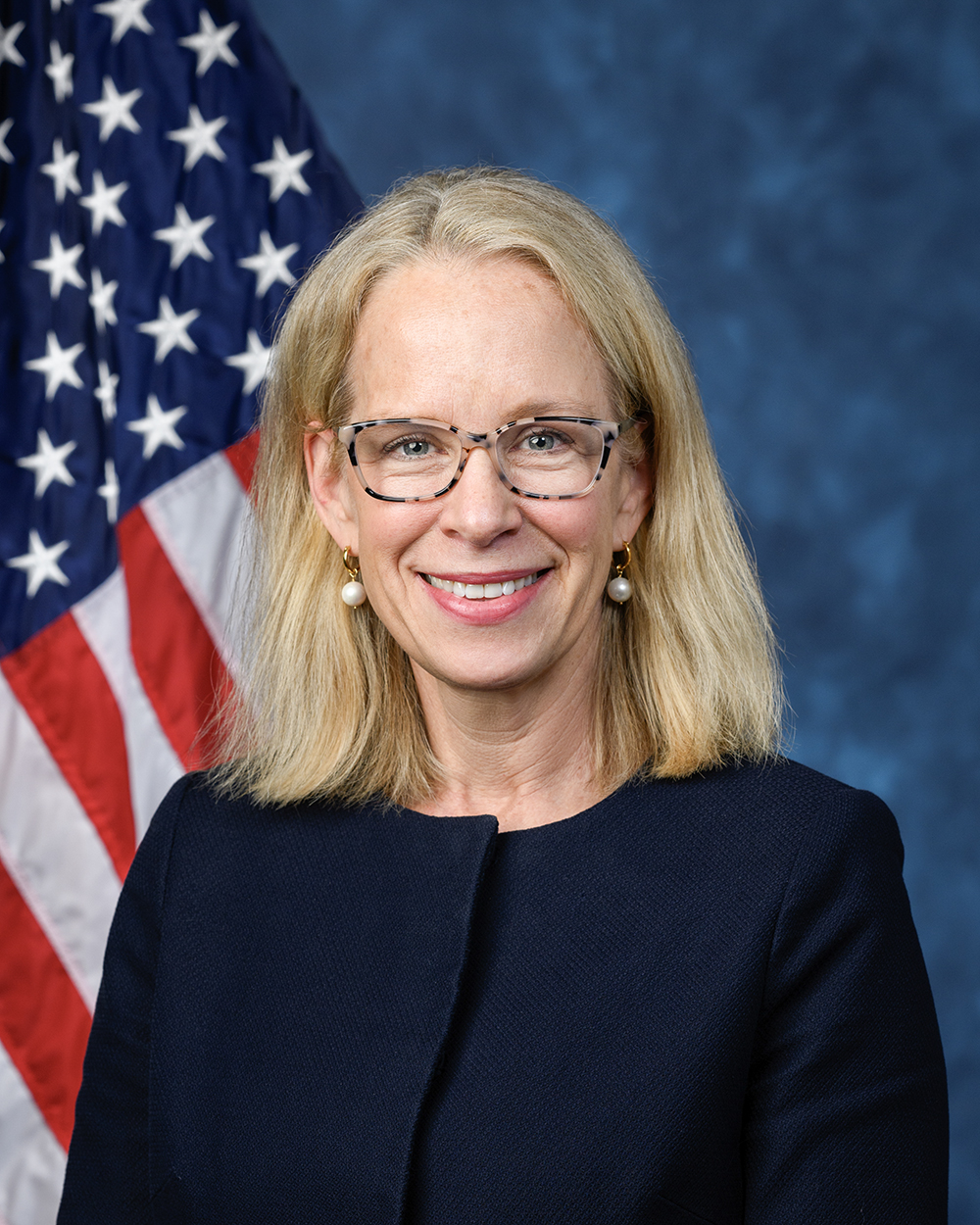
Rep. Kelly Morrison
Sponsored bills
Maddy summaryHR 1645, the Climate and Health Protection Act, continues the Climate and Health program within the CDC's National Center for Environmental Health (or a successor program) through 2026 and beyond. It directs the program to translate climate science for state, local, Tribal, and territorial governments; create tools to help communities prepare for climate impacts; and lead public health planning for climate change. The bill authorizes $110 million annually for this program, with a strict rule that these funds cannot be redirected to other CDC programs. This funding and structure directly affect public health agencies and communities preparing for climate-related health risks.
Maddy summaryThe Keep Americans Safe Act (HR 1674) restricts the sale, transfer, and possession of large capacity ammunition feeding devices (LCFDs) - defined as magazines or similar devices holding more than 15 rounds of ammunition - for most individuals. Exceptions allow law enforcement officers (including campus law enforcement), retired officers, and nuclear security personnel to possess LCFDs under specific conditions. The bill requires new LCFDs to have serial numbers and manufacturing dates, permits federal seizure of violative devices, and authorizes federal grant programs to fund buy-back initiatives for LCFDs. It directly affects gun owners and manufacturers while preserving access for covered law enforcement and security personnel.
Maddy summaryThe MEME Act prohibits federal officials - including the president, vice president, members of Congress, and their immediate family - from issuing, sponsoring, or promoting financial assets (such as cryptocurrencies, meme coins, or securities) for personal financial gain. It applies during their term of service and for 180 days before/after, targeting misuse of public office for private profit. Violations carry civil penalties up to $250,000, require disgorgement of profits, and allow private lawsuits for harm caused. The bill specifically defines "covered assets" to include digital assets like meme coins, aiming to prevent conflicts of interest and corruption through financial exploitation.
Maddy summaryThe American Dream and Promise Act of 2025 would create pathways to permanent residency for certain immigrant youth who entered the U.S. as children (Dream Act component) and for individuals from countries with Temporary Protected Status or Deferred Enforced Departure (American Promise Act component). To qualify, applicants must meet continuous physical presence requirements (since January 1, 2021 for Dream Act applicants, and for 3+ years for American Promise applicants), pass background checks, and satisfy educational or employment criteria. Conditional permanent resident status would be granted initially, with the option to convert to full permanent residency after meeting additional requirements like earning a degree, serving in the military for two years, or demonstrating three years of earned income. The bill includes fee exemptions for low-income applicants, establishes a grant program to assist applicants with legal help, and creates specific procedures for background checks and appeals.
Maddy summaryHR 1637, the Protect Veteran Jobs Act, allows veterans who were involuntarily dismissed without cause from federal civil service positions between January 20, 2025, and the bill’s enactment date to seek reinstatement to their former role or a qualified position. It directly affects eligible veterans dismissed during this period and requires federal agencies to report quarterly on veteran removals, including the number and reasons for each dismissal. Agencies must submit these reports to specified congressional committees until January 20, 2029, when the reporting requirement ends. The bill aims to restore employment opportunities for affected veterans while increasing transparency around federal hiring and dismissal practices.
Maddy summaryHR 804, the Rural Small Business Resilience Act, requires the Small Business Administration (SBA) to ensure rural individuals in disaster-affected areas have full access to disaster assistance. Specifically, the SBA must take actions like targeted outreach and marketing materials to help rural residents (as defined in the Small Business Act) access aid under Section 7(b). The bill also includes a minor technical amendment to renumber a section of the Small Business Act. This law directly affects rural residents in declared disaster zones who rely on SBA disaster programs.
Maddy summaryHR 788 requires the Department of Energy (DOE) and Small Business Administration (SBA) to establish formal agreements for joint research and development (R&D) projects. This mandates that small businesses must be included in these collaborative efforts, aligning DOE and SBA missions to advance shared goals like clean energy innovation. The bill creates a two-year reporting requirement for the agencies to Congress, detailing coordination, research achievements, and future collaboration opportunities. It does not authorize new funding and ensures R&D activities comply with existing research security rules.
Maddy summaryHR 1582, the Volunteer Driver Tax Appreciation Act of 2025, increases the mileage reimbursement rate for volunteers driving for qualifying organizations. It amends IRS Code section 170 to set a minimum rate of 14 cents per mile for volunteer driving, with the Secretary of the Treasury allowed to set a higher rate for transportation of persons or property on behalf of tax-exempt organizations (like charities or religious groups). This directly affects volunteers who drive for these organizations, allowing them to deduct higher mileage costs on their taxes. The change applies to taxable years beginning after December 31, 2024.
Maddy summaryEthan's Law requires gun owners to store firearms securely in homes where minors live or where residents are legally prohibited from owning guns. It makes it unlawful to leave firearms unsecured if a minor or ineligible person could access them, with fines of $500 per violation and harsher penalties if injury or death occurs. The bill creates a federal grant program to help states implement similar secure storage laws and treats unsafe storage as negligence in legal cases. It directly affects households with children or residents who cannot legally possess firearms, aiming to reduce accidental shootings and unauthorized access.