

Maddy summaryThis bill designates the Museum of the Blind People’s Movement (currently located at the National Federation of the Blind Jernigan Institute in Baltimore, Maryland) as the National Museum of the Blind People’s Movement. It formally recognizes the museum, operated by blind individuals, as the first national institution dedicated to preserving and showcasing the history of blind people’s contributions and struggles in the U.S. The museum already collects artifacts, documents, and literature documenting the blind community’s collective achievements and civil rights efforts since the 1940s. The bill’s key provision is this official congressional designation, elevating the existing museum as a national platform for education and awareness about blind people’s movement.
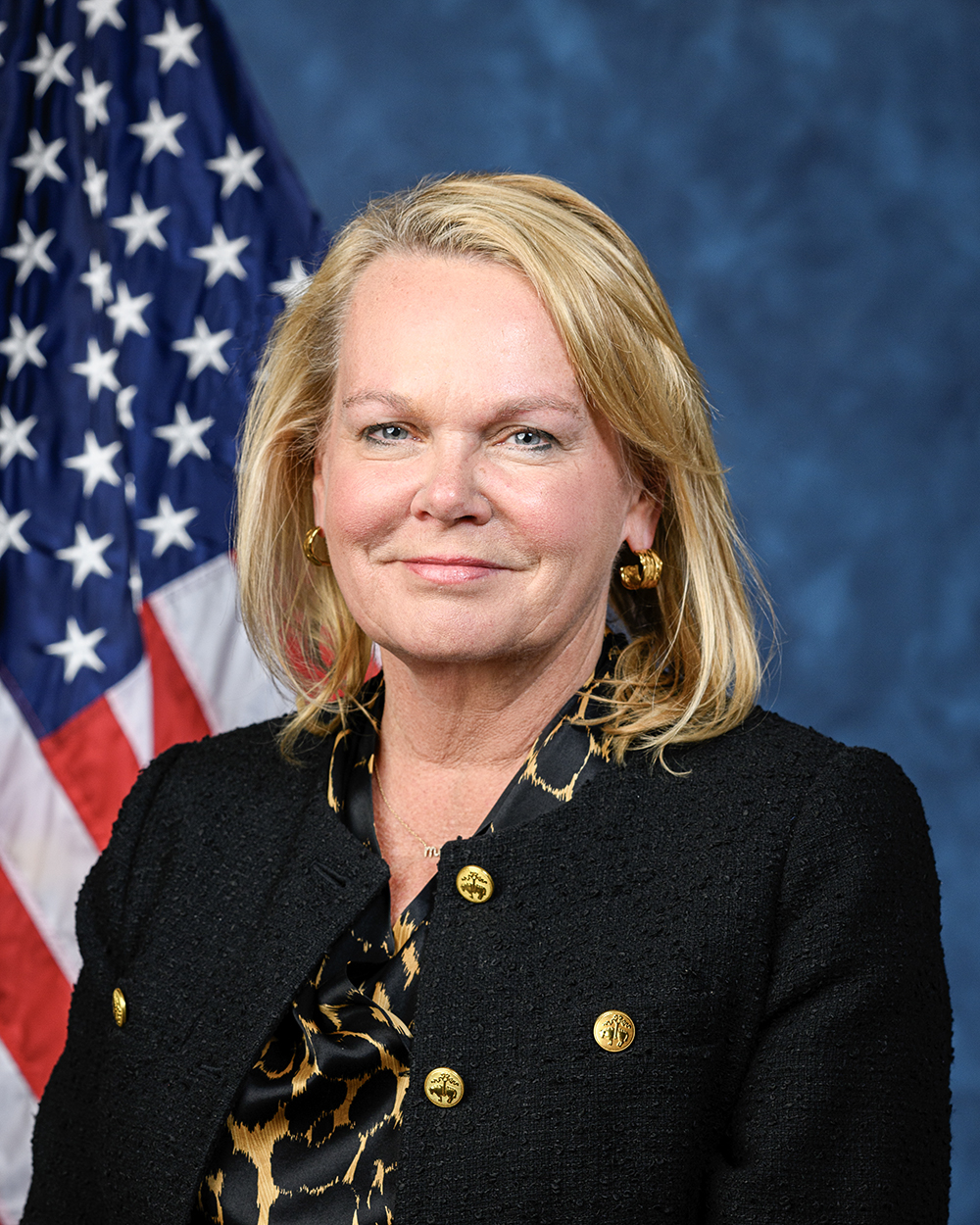
Rep. April McClain Delaney
Sponsored bills
Maddy summaryThe Dignity for Detained Immigrants Act establishes minimum standards for detention facilities operated by the Department of Homeland Security, requiring them to follow the American Bar Association's Civil Immigration Detention Standards. It mandates annual unannounced inspections by the DHS Inspector General, with penalties including fines for noncompliant private facilities and transfers of detainees from noncompliant facilities. The bill requires DHS to publicly report on facility compliance, phase out private detention facilities over three years, and prohibit solitary confinement. It also ensures detainees have access to legal orientation, counsel, and more frequent custody review hearings. The bill directly affects all individuals detained in DHS custody, including immigrants, asylum seekers, and refugees held in facilities operated by or contracted to DHS.
Maddy summaryThis bill would protect unaccompanied children by repealing fee requirements and other provisions in the "One Big Beautiful Bill Act" that have created barriers to their access to humanitarian protections. It specifically exempts unaccompanied children from paying fees for asylum applications, employment authorization, and immigration court proceedings, and requires the government to refund fees already paid under the repealed provisions. The bill also repeals provisions allowing for summary removal of children without due process, intrusive body examinations without safeguards, and sharing of sponsor information with immigration enforcement that has led to family separations. These changes would directly affect unaccompanied children seeking asylum or other protections in the United States, ensuring they can access legal processes without financial barriers or heightened risks of exploitation. The bill aims to uphold protections for unaccompanied children established under the William Wilberforce Trafficking Victims Protection Reauthorization Act of 2008 (TVPRA).
Maddy summaryThis bill creates several tax credits to increase housing affordability for individuals and families. It establishes a first-time homebuyer credit of up to $25,000 (or $50,000 for first-generation homebuyers) for purchasing a principal residence, with income limits based on household size. It also creates a starter home construction credit for building homes under 1,200 square feet priced below 80% of local median home prices, and a renter tax credit for tenants paying more than 30% of their income in rent. Additionally, it provides a credit for converting non-residential buildings to affordable housing that meets specific income and rent restrictions. The bill includes provisions for inflation adjustments and reporting requirements for these tax credits.
Maddy summaryThe Independence Investment Fund Act (HR 6412) establishes a Treasury Department fund to invest in U.S. companies developing critical and emerging technologies, prioritizing biotechnology. The fund makes seed-to-mid-stage equity investments (typically $1 million to $10 million per company) to strengthen national security and economic security while aiming for financial self-sustainability through returns. It requires an advisory board to set investment strategy and a supervisory board to approve investments, with annual reporting to Congress on progress toward goals. The bill authorizes $975.5 million for fiscal year 2025 (including $300 million for biotech), directing investments away from foreign entities of concern and toward companies vulnerable to adversarial foreign capital.
Maddy summaryHR 5716, the FARM SAFE Act, ensures that USDA employees administering key agricultural disaster programs cannot be furloughed or laid off during government shutdowns. It directly affects USDA staff working on programs like crop insurance, livestock aid, and other federal disaster assistance authorized under the Agricultural Credit Act of 1978 and the Agricultural Act of 2014. The bill requires these employees to be treated as "excepted" under federal law during funding gaps, guaranteeing program continuity without requiring new appropriations. This provides immediate stability for farmers relying on disaster relief during federal budget disruptions.
Give Kids a Chance Act of 2025 This bill expands the Food and Drug Administration’s (FDA’s) authority with respect to research on rare pediatric diseases, including by permitting the FDA to take enforcement action against drug sponsors that fail to satisfy pediatric study requirements and by reauthorizing programs that support pediatric research. Specifically, the bill modifies requirements relating to molecularly targeted pediatric cancer investigations to permit research on new drugs in combination with active ingredients that have already been approved, provided certain conditions are met; permits the FDA to take enforcement action against drug sponsors that fail to comply with pediatric study requirements, if such sponsors demonstrated a lack of due diligence in satisfying the requirement; renews the FDA’s authority to award priority review vouchers to sponsors of new products intended to treat rare pediatric diseases through September 30, 2029; and reauthorizes through FY2027 certain funding for the National Institutes of Health to support priority pediatric research. The bill also provides statutory authority for the FDA’s interpretation of the orphan drug exclusivity period. The bill specifies, consistent with FDA regulations, that the seven-year market exclusivity period for drugs for rare diseases or conditions (i.e., orphan drugs) prohibits the approval of the same drug for the same approved use or indication with respect to the disease or condition. (In Catalyst Pharmaceuticals, Inc. v. Becerra , a court rejected the FDA’s interpretation and held that orphan drug exclusivity extends to all uses or indications for the disease or condition.)
Maddy summaryThe BUILD Act creates a federal grant program to support economic development in low-income communities through partnerships with qualifying colleges and universities. It provides planning grants (up to $100,000 annually for 2 years) to help institutions develop community revitalization plans, followed by implementation grants ($25-50 million over 5 years) for approved projects. Eligible projects include renovating community-accessible facilities (like housing, cultural centers, or health clinics), launching business incubators, creating local apprenticeships, and building public broadband networks. To qualify, institutions must be located in areas where median income is at least 25% below state or national averages, excluding high-research universities and military academies.
Maddy summaryThis bill establishes a federal program to help low-income households pay for drinking water and wastewater services. It provides $500 million annually (2026-2030) in grants to states and tribes that already administer energy assistance programs, allowing them to cover past-due bills or other costs for households meeting specific income criteria (e.g., receiving certain federal benefits or earning ≤150% of the poverty level). The program prohibits using these funds to replace existing assistance and requires technical help to streamline eligibility. It directly affects low-income households in participating states and tribes, particularly those facing water affordability challenges.
Maddy summaryHR 6266, the Algorithm Accountability Act, amends Section 230 of the Communications Act to require large social media platforms (with over 1 million users) to design recommendation algorithms with "reasonable care" to prevent foreseeable bodily injury or death. It removes Section 230 liability protection for platforms violating this duty, allowing victims to sue for damages in court. The law specifically targets algorithms that curate content based on user data (like likes or behavior), excluding chronological feeds and initial search results. It preserves stronger state laws and prohibits pre-litigation arbitration for these claims.