

Maddy summaryThis symbolic House resolution expresses U.S. congressional support for Iranian protesters demanding democracy and human rights. It condemns the Iranian regime's violent suppression of protests, including killings, mass arrests, and internet restrictions, while urging the regime to release political prisoners and restore communication access. The resolution reaffirms the Iranian people's right to self-determination through free elections and echoes a 2023 resolution (HCR 7) that similarly praised protesters. As a non-binding expression of support, it does not impose new policies or alter U.S. government actions.
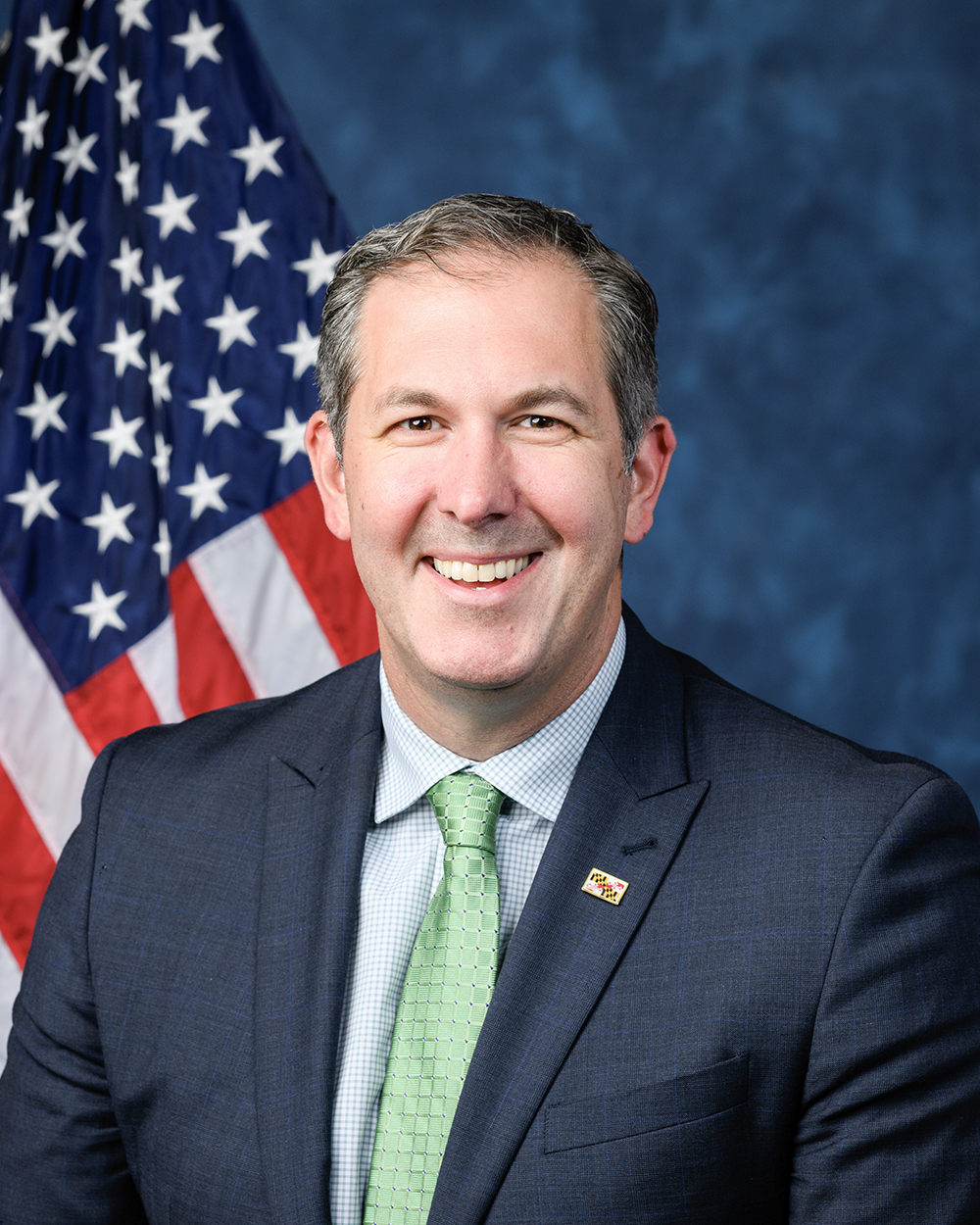
Rep. Johnny Olszewski, Jr.
Sponsored bills
Maddy summaryHR 6088, the *Restoring Food Security for American Families and Farmers Act of 2025*, repeals specific sections (10101-10108) from a prior reconciliation law. This action revives previous provisions related to food security programs that were modified by those repealed sections. The bill directly affects federal food assistance and agricultural support programs by restoring their prior legal framework. It does not create new policies but reverses recent changes to existing food security measures.
Maddy summaryThis bill updates federal nutrition law to include Puerto Rico in the Supplemental Nutrition Assistance Program (SNAP), allowing it to transition from its current funding method to the same SNAP benefits available to U.S. states. Puerto Rico must submit a 180-day plan to the USDA detailing its transition to SNAP, with approval required within another 180 days. The transition period lasts up to 5 years from the bill's effective date, during which Puerto Rico would continue receiving block grants while preparing for full SNAP participation. This change directly affects Puerto Rico's 1.4 million residents who currently receive nutrition assistance under a separate funding structure.
Maddy summaryHR 909, the Crime Victims Fund Stabilization Act of 2025, modifies how funds from the False Claims Act are deposited into the Crime Victims Fund. It specifies that from 2025 through 2029, certain False Claims Act proceeds (specifically those for qui tam plaintiff payments and government damage reimbursements) cannot be deposited into the fund. This change directly affects the composition of the Crime Victims Fund by excluding these specific revenue streams during the specified period. The bill does not create new benefits or alter victim services; it only adjusts fund allocation rules for existing False Claims Act revenues.
Maddy summaryThis bill establishes two educational exchange programs to address workforce shortages in the U.S. mining industry. The Critical Mineral Mining Fellowship Program sends U.S. students to study mining at foreign universities with mining programs, while the Visiting Mining Scholars Program brings international mining professionals to U.S. institutions to help develop mining education programs. Both programs, administered by the Department of State's Bureau of Education and Cultural Affairs, target students and professionals in mining-related fields, with priority given to institutions in countries with established mining expertise. The bill authorizes $10 million annually from 2026 to 2035 to fund these initiatives. These programs directly affect U.S. educational institutions, mining industry workers, and international partners in the critical mineral supply chain.
Maddy summaryHR 7016, the "No Funds for NATO Invasion Act," blocks federal funding for any U.S. military invasion of a North Atlantic Treaty Organization (NATO) member country or territory covered by NATO's Article 5 mutual defense clause. The bill prohibits using any federal funds for such invasions and bans U.S. officials from executing these actions. It directly affects U.S. military operations and funding decisions involving NATO members. The law applies to all federal spending, preventing the use of existing budgets for this specific purpose.
Maddy summaryThis concurrent resolution (HCONRES 69) commemorates the 15th anniversary of the January 8, 2011, Tucson shooting that killed six people and injured 13, including former Congresswoman Gabby Giffords. It honors the victims, survivors, and Giffords - now a prominent advocate for gun violence prevention - and recognizes her leadership in promoting civility and reducing gun violence. The resolution also commends Tucson residents and first responders for their resilience and reaffirms Congress’s commitment to respectful dialogue and opposing political violence. As a ceremonial resolution, it does not create new laws or policies.
Maddy summaryHR 4611 (EACH Act of 2025) requires all federally funded health programs - including Medicaid, Medicare, military health plans, and the Indian Health Service - to cover abortion services without restrictions, repealing the Hyde Amendment's long-standing ban on federal funding for most abortions. This directly affects millions of people enrolled in these programs, particularly low-income women, women of color (including 25% of Black women and 22% of Hispanic women on Medicaid), and young people. The bill mandates coverage in all federally administered health plans and prohibits state or private insurers from restricting abortion coverage in health insurance. It aims to eliminate current federal and state barriers that deny abortion access to people who rely on government health programs.
Maddy summaryH.J. Res. 135 proposes a constitutional amendment to limit the President's pardon power. It would require the President to notify Congress within three days of granting any pardon or reprieve, after which Congress could attempt to nullify the action by passing a two-thirds vote in both chambers within 60 days. If Congress fails to act, the pardon becomes effective 90 days after the notification. The amendment also voids any pardon if the President misses the three-day notification deadline and prohibits pardons for offenses previously nullified by Congress.
Maddy summaryThe RESTRICT Act (HR 6879) requires U.S. companies to obtain a license before exporting advanced computer chips to countries listed in a specific export control group (as of January 2025) and to regions like Hong Kong and Macau. It also blocks licenses for exports to entities primarily located in countries of concern (including those same nations plus Hong Kong and Macau). U.S. companies may avoid the license requirement if they meet strict conditions, such as limiting foreign ownership to 10% and implementing security measures to prevent misuse. The law expires five years after enactment.