

Maddy summaryThis concurrent resolution expresses support for International Transgender Day of Visibility, a day established in 2009 to honor the transgender community and raise awareness of the discrimination and violence they face. The bill encourages the House of Representatives and the American public to observe this day with ceremonies and activities while recognizing the accomplishments and leadership of transgender individuals. It acknowledges ongoing challenges such as employment discrimination, healthcare restrictions, and anti-transgender legislation, while also highlighting the community's contributions to politics, culture, and civil rights. As a concurrent resolution, it does not create new laws or regulations but serves as an official statement of congressional support for the day's goals and ideals.
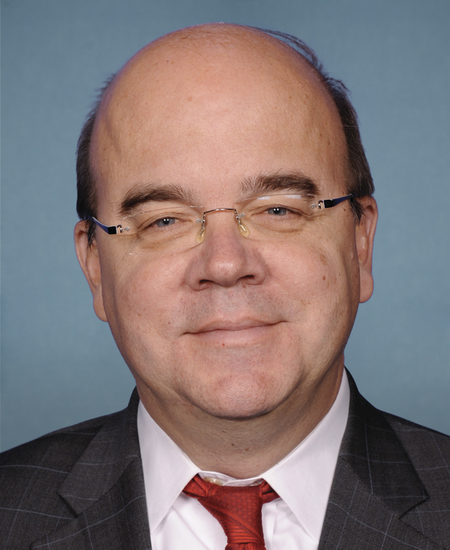
Rep. James P. McGovern
Sponsored bills
Maddy summaryThe Maternal Vaccination Act amends the Public Health Service Act to expand a federal campaign focused on increasing vaccination rates among pregnant and postpartum individuals and their children. This legislation directly affects public health programs by updating language to explicitly include these populations and directing funding toward outreach efforts that address disparities among racial and ethnic minority groups. Key provisions modify existing sections of the Public Health Service Act to broaden the campaign's scope and increase the authorized funding amount from $15 million to $17 million per fiscal year for the period 2027 through 2031. The bill aims to improve vaccination equity by ensuring federal resources specifically target maternal and pediatric immunization efforts.
Maddy summaryThis concurrent resolution formally recognizes the ongoing disparity between wages paid to men and women in the United States and reaffirms Congress's commitment to supporting equal pay. It highlights statistical data showing that women earn approximately 81 cents for every dollar earned by men, with significant variations across racial and ethnic groups, and notes that the gender wage gap has widened over the past two years. The document also identifies contributing factors such as occupational segregation, lack of family-friendly workplace policies, and workplace harassment, while emphasizing the economic impact on women's retirement security and family incomes.
Maddy summaryThis bill prohibits the use of federal funds for military force in or against Cuba from its enactment until December 31, 2026, unless Congress declares war or passes specific statutory authorization. The restriction applies to all government funds and prevents military actions without congressional approval under the War Powers Resolution. An exception allows military force consistent with the War Powers Resolution's provisions for urgent situations requiring immediate action. The legislation directly affects the U.S. Department of Defense and federal budget processes by limiting how funds can be used for military operations targeting Cuba.
Maddy summaryThis bill establishes a new annual wealth tax on individuals with net assets exceeding $50 million, requiring them to pay a percentage of their total asset value each year. The tax applies a 2 percent rate to assets between $50 million and $1 billion, with a higher rate of 3 percent or 6 percent on assets above $1 billion depending on whether a universal health insurance program is enacted. Married couples are taxed as a single unit, and certain assets like primary residences and small personal items are excluded from the calculation. The legislation also mandates enhanced reporting requirements for asset values, requires the IRS to audit at least 30 percent of taxpayers subject to this tax annually, and authorizes $100 billion in funding over ten years to support enforcement and administration of the new tax system.
Maddy summaryThis joint resolution directs the President to remove U.S. Armed Forces from hostilities within or against Cuba unless Congress provides a specific declaration of war or authorization for military force. The bill relies on the War Powers Resolution and existing expedited procedures to require immediate congressional approval for any ongoing military actions in Cuba. It explicitly allows the United States to continue defending itself from armed attacks, countering imminent threats, and conducting lawful counternarcotics operations. The measure is based on the constitutional principle that Congress holds the sole power to declare war.
Maddy summaryThis bill establishes safety and security standards for online platforms and delivery services that accept Supplemental Nutrition Assistance Program benefits. It requires the Food and Nutrition Service to create rules for digital privacy, cybersecurity, fair working conditions including prevailing wages, and food safety for stores and wholesalers participating in the program. Retailers must report their compliance with these standards within 18 months of the rules being finalized, and noncompliance could result in losing authorization to accept SNAP benefits. The legislation aims to protect users and workers while ensuring food safety in the growing digital food assistance landscape.
Extending WIC for New Moms Act This bill amends the Special Supplemental Nutrition Program for Women, Infants, and Children (WIC) to extend the eligibility periods for breastfeeding and postpartum women. Specifically, a state program may elect to certify a breastfeeding woman for up to 24 months (currently 1 year) postpartum. The bill also expands the eligibility period for postpartum women to up to 24 months after termination of pregnancy (currently 6 months). The Department of Agriculture must submit a report to Congress evaluating the effect of these changes to the program on (1) maternal and infant health outcomes, (2) breastfeeding rates, and (3) qualitative evaluations of family experiences under WIC.
Maddy summaryThe GUARDRAILS Act (HR 8031) repeals the December 11, 2025 Executive Order on Artificial Intelligence, which previously established a national policy framework for AI development. By removing this executive order, the bill prevents the federal government from using funds to implement, enforce, or administer the policies outlined in that directive. This change directly affects federal agencies and any organizations that were relying on the executive order's framework for AI regulation. The legislation does not create new AI rules but instead eliminates the existing executive mandate that had been in place.
Maddy summaryThis bill establishes a new Office of Small Farms within the USDA's farm production and conservation mission area to better serve small agricultural operations. It defines "small farm, ranch, or forest operation" as those under 180 acres or with less than $350,000 annual income, directly affecting these operators. Key provisions include creating a Director to coordinate USDA programs, reviewing barriers to participation, developing new initiatives (including $25,000 grants for repairs, land access, or conservation), and requiring State coordinators in each state to improve local program delivery. The bill authorizes $15 million annually for the Office's administration and $10 million for grants/technical assistance from 2027-2031, with annual reports to Congress on progress.