

Maddy summaryThis bill adds Medicare coverage for multi-cancer early detection screening tests (blood or biological tests analyzing cell-free DNA) starting January 1, 2028. It directly affects Medicare beneficiaries aged 68 and older (starting in 2028, with the age limit increasing by 1 year annually), requiring tests to be FDA-cleared and deemed reasonable/necessary by the Secretary for early cancer detection across multiple organ sites. Payment will initially match current stool DNA test rates before 2031, then shift to a lower rate or new payment system after 2031, with limits preventing more than one test per year. The bill explicitly states it does not alter coverage for existing cancer screenings like breast, colorectal, or prostate cancer tests.
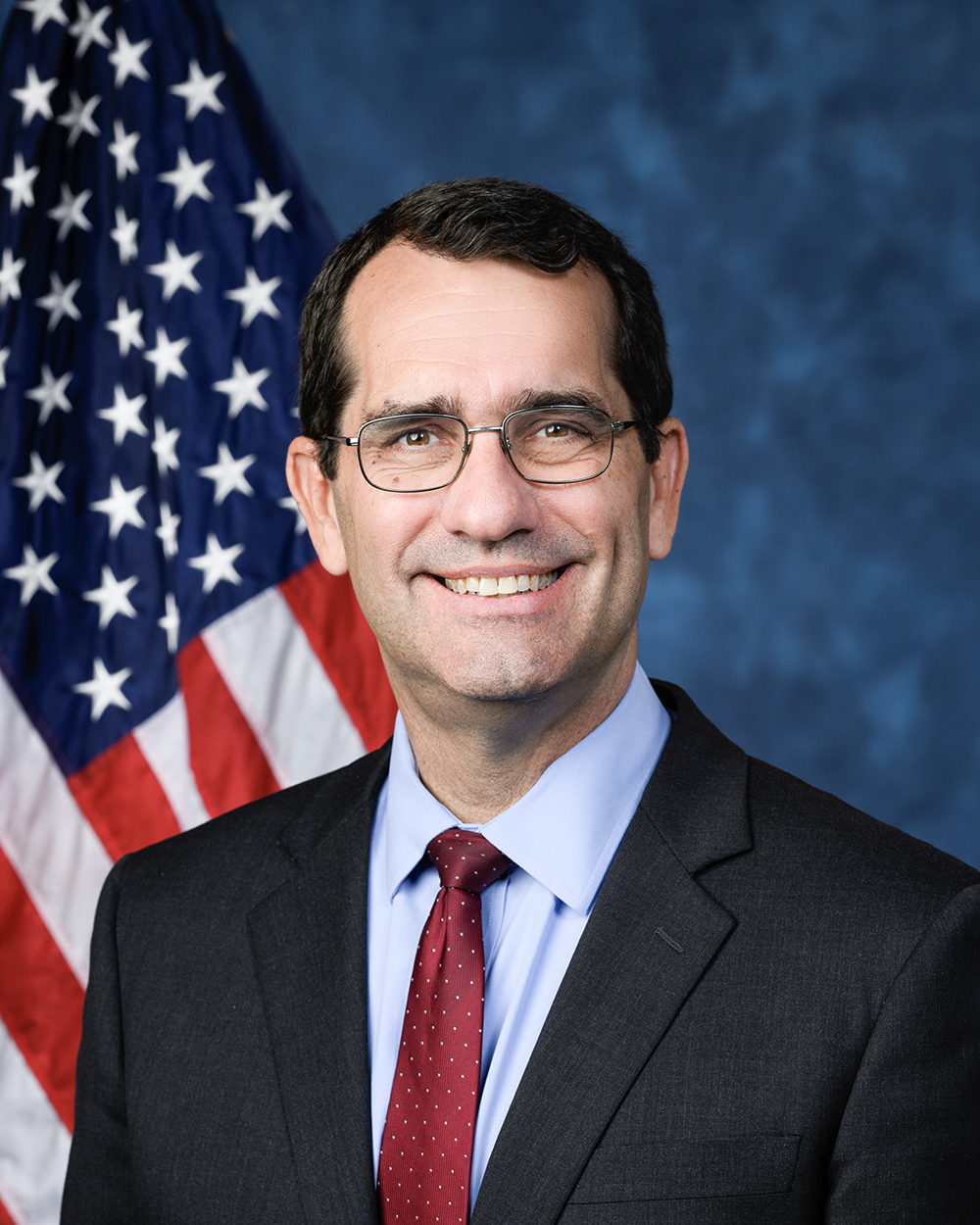
Rep. Derek Schmidt
Sponsored bills
Maddy summaryThis bill would require all states to recognize valid concealed carry permits issued by other states, allowing permit holders to carry concealed handguns (excluding machine guns) in any state that either issues such permits or doesn't prohibit concealed carry. It directly affects law-abiding gun owners with valid permits from their home state, ensuring they can carry in states with similar permit systems or no prohibitions. Key provisions include treating valid permit documents as proof of legal carry (reducing officer stops), shifting the burden of proof to prosecutors if challenged, and allowing civil lawsuits for violations with attorney's fee awards. The bill does not override state laws restricting firearms on private property or government land, nor does it affect federal gun restrictions like those in section 922(q).
Maddy summaryH.J.Res. 128 proposes a constitutional amendment to withhold salaries from members of Congress during government shutdowns. A government shutdown is defined as a period when federal agencies lack funding due to Congress failing to pass an appropriations bill or continuing resolution. The amendment would require Congress to pass implementing legislation to enforce this pay suspension. This policy would directly affect all current House and Senate members by stopping their regular salaries during any shutdown period.
Maddy summaryThis bill sets strict deadlines for the Bureau of Alcohol, Tobacco, Firearms, and Explosives (ATF) to process applications, directly affecting individuals and businesses seeking ATF licenses (like firearm permits). It requires the ATF to complete most applications within 90 days and firearm-related licenses under 18 U.S.C. §923 within 60 days. The bill also mandates quarterly public reports detailing application volumes, processing times, and reasons for delays or denials. Additionally, it directs the ATF to eliminate redundant steps and establish an appeals process for denied or delayed applications, using existing resources without new hiring.
Maddy summaryHR 5586, the TRICARE Transition Transparency Act of 2025, requires the Department of Defense to provide advance written notices to military health care beneficiaries about upcoming changes to their TRICARE coverage. Beneficiaries affected by required plan changes (such as due to age) will receive three electronic notices: one year, 180 days, and 30 days before the transition. The bill also mandates an annual outreach campaign via website, social media, and family groups, plus yearly reports to Congress on implementation progress. This law aims to improve beneficiary awareness of coverage transitions without altering TRICARE plan options or costs.
Maddy summaryThe SAVES Act (HR 2605) creates a 5-year pilot program where the Department of Veterans Affairs (VA) awards competitive grants to nonprofit organizations to provide service dogs to veterans with specific disabilities. It directly affects veterans with covered conditions like blindness, mobility impairments, PTSD, traumatic brain injury, or other disabilities deemed appropriate for service dog assistance by the VA. Key provisions include: grants capped at $2 million per nonprofit (with $10 million annually authorized), no fees charged to veterans, VA-provided lifetime veterinary insurance for the dogs, and requirements for nonprofits to train veterans and maintain humane animal standards. The program aims to expand access to service dogs as a support tool for veterans managing qualifying disabilities.
Maddy summaryHR 5548, the Fraud Accountability and Recovery Act, blocks U.S. foreign aid to countries that fail to extradite individuals convicted of defrauding the U.S. or assist in recovering stolen federal funds. The bill directly affects foreign governments that do not take legal action to identify, freeze, seize, or repatriate funds fraudulently obtained from U.S. programs. Key provisions require the President to withhold aid under the Foreign Assistance Act if a country neglects these measures, and mandate annual reports listing non-compliant countries along with the value of unrecouped fraud funds. The bill cites examples like a $250 million pandemic food fraud scheme in Minnesota to highlight the scale of losses (estimated $233-$521 billion annually), but focuses on preventing future fraud by denying safe havens abroad. It includes a presidential waiver option for national security reasons, requiring prior congressional notification.
Maddy summaryHR 5552, the "Eliminate Shutdowns Act," would automatically continue federal funding for most government programs during a funding gap. If Congress fails to pass annual appropriations bills by the start of a fiscal year, the bill would automatically provide funding at the previous year's level for 14 days, extending in 14-day increments until a new funding bill is enacted. This applies to all federal programs except those specifically prohibited or covered by other laws, including maintaining current funding for entitlement programs like food assistance under the Food and Nutrition Act. The bill aims to prevent shutdowns by ensuring continuous operations without requiring new congressional action during the funding gap. It would take effect on September 30, 2025.
Maddy summaryHRES 719 is a House resolution honoring Charles "Charlie" James Kirk, the founder of Turning Point USA who was assassinated on September 10, 2025. The resolution condemns his assassination and all political violence, extends condolences to his family, and calls on Americans to reject violence while promoting civil discourse. It specifically recognizes Kirk's legacy as a defender of constitutional principles and his role in inspiring youth through free speech and faith-based civic engagement. As a commemorative resolution, it does not enact policy changes but formally expresses the House's stance on honoring his life and legacy.
Maddy summaryThis bill requires health plans and insurers to create a clear, timely process for patients or doctors to request exceptions when step therapy protocols (which force patients to try cheaper drugs first) might harm them. It mandates approval for exceptions in six specific cases, such as when prior treatments failed, delaying care risks severe harm, or the required drug causes adverse reactions. Plans must respond within 72 hours (24 hours for emergencies) and cover the requested drug for at least one year if approved. Additionally, health plans must report annual data on exception requests, approvals, denials, and reasons to the government for transparency.