

Maddy summaryThis bill expands Medicare incentives to increase mental health and substance use disorder care in underserved areas. It adds a 15% bonus payment to Medicare for specific mental health and substance use services provided by qualified non-physician providers (like clinical social workers, psychologists, and counselors) in designated "mental health professional shortage areas." The bonus applies to services furnished on or after January 1, 2027, directly benefiting Medicare beneficiaries in these areas and encouraging more providers to work there. The change modifies existing Medicare payment rules to include these new provider types and service categories.
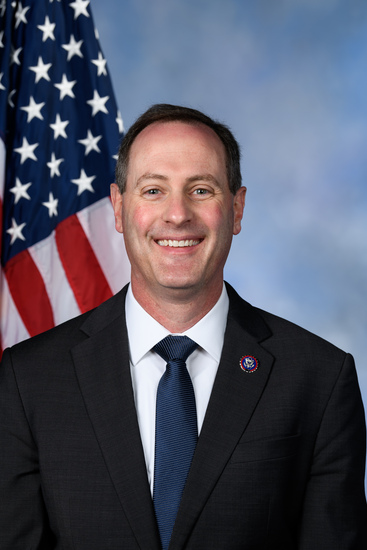
Rep. Tracey Mann
Sponsored bills
Maddy summaryThis bill establishes a Truth and Healing Commission to investigate the history and impacts of U.S. Indian Boarding School policies on Native American communities, including their cultural, emotional, and physical effects. The Commission will document these policies' history through research, public meetings across all 12 Bureau of Indian Affairs regions and Hawai'i, and consultation with survivors, tribes, and relevant Federal agencies. It will develop recommendations for federal action on memorialization, education, and addressing ongoing impacts, with a final report due six years after enactment. The Commission will include a Survivors Truth and Healing Subcommittee with 15 members representing boarding school survivors, their descendants, and tribal communities. The bill requires trauma-informed care at public meetings and mandates consultation with Native American communities throughout the process.
Maddy summaryHRES 924 is a symbolic resolution recognizing December 2025 as "Impaired Driving Prevention Month" to raise public awareness about the dangers of drunk driving. It expresses House support for existing efforts like the Department of Transportation's "Drive Sober or Get Pulled Over" campaign and urges the public to plan sober rides home. The resolution does not create new laws or funding; it solely promotes awareness and existing prevention programs to reduce alcohol-impaired driving crashes, deaths, and injuries.
Maddy summaryThe Make Elections Great Again Act (HR 7300) would require voters to present photo identification to cast ballots in person or by mail for federal elections, with limited exceptions for religious objections or military voters. It would establish new requirements for proving U.S. citizenship during voter registration, including documentary proof of citizenship and proof of state residency. The bill would change mail-in ballot procedures by requiring voters to request mail-in ballots (rather than universal mail-in voting), implementing barcode tracking for mail-in ballots, and setting strict deadlines for ballot receipt. These provisions would apply to all states for federal elections held in 2027 or later, affecting how voters register, vote in person, and submit mail-in ballots for federal office elections.
Maddy summaryThe Roadway Safety Modernization Act of 2025 requires states to integrate predictive safety tools - like data analytics and telematics - into federal highway safety programs to identify risks, evaluate projects, and improve planning. It directs the Department of Transportation to issue guidelines on data privacy, security, and validating these tools to ensure reliability. The bill also defines "intelligent freight transportation systems" to include technologies that enhance freight safety on highways. These changes apply directly to states administering highway safety funds and federal agencies like the Federal Highway Administration.
Maddy summaryThe ROUTE Act allows drivers aged 18 to 20 who hold a commercial driver's license (CDL) limited to intrastate driving to operate commercial vehicles in interstate commerce within a 150-mile radius of their regular work location. To qualify, drivers must return to their work location within 14 consecutive hours of departure, have at least 10 hours off duty between shifts, and maintain their work location within the same state as their intrastate CDL. This bill directly affects young truck drivers seeking expanded work opportunities while maintaining existing CDL restrictions. It creates a limited interstate pathway without changing the requirement for an intrastate CDL.
This resolution supports the designation of the International Year of the Woman Farmer and recognizes the critical role of women in agriculture. The resolution also encourages citizens to celebrate the impact these women have on the food systems and agricultural workforce of the United States by encouraging and empowering women to pursue careers in agriculture and cultivate leadership opportunities.
Maddy summaryThis bill modernizes how motor carriers (like trucking companies) screen driver safety records. It makes safety history checks voluntary for employers, prohibiting them from using such data to deny jobs without first giving applicants notice and a chance to appeal (per Section 31150(c)(3)). It also requires labeling safety violations under review in databases and creates a formal appeals process for disputed data (Sections 31150(d)-(e)). The law directly affects motor carrier employers and job applicants in the commercial driving industry by changing how safety data is used in hiring decisions.
Maddy summaryThis bill creates a tax credit for businesses selling products made with U.S.-grown cotton. The credit equals 24% of the cotton's market value if processed only in the U.S. or in countries with U.S. trade deals, or 18% for other processing locations. To qualify, cotton must be digitally traced from U.S. farms to finished products and certified by the USDA as meeting origin requirements. It directly affects clothing and textile manufacturers selling qualifying products in the U.S. market.
Maddy summaryThis bill requires a working group to develop recommendations improving the transition of military air traffic control specialists (specifically those with series 2152 credentials) into civilian roles at the Federal Aviation Administration (FAA). It directs the group to identify barriers in training systems, credential translation, and standardization between military and FAA requirements. The bill specifically targets how military experience, training, and credentials align with FAA hiring needs for controllers, managers, and supervisors. This directly affects military air traffic control personnel transitioning to FAA positions and the agencies managing these transitions.