

Maddy summaryHR 1207 transfers the administration of the Food for Peace Act's food aid programs from USAID to the Department of Agriculture. This means the Agriculture Secretary, not the USAID Administrator, will now handle all related functions, including managing assets, grants, and rules for distributing U.S. food aid overseas. The bill requires immediate implementation upon enactment, with references in law automatically updating to the Agriculture Secretary, and allows for swift interim rules to maintain program continuity. It also specifies that the Famine Early Warning Systems Network will continue under Agriculture, and the Department must consult with the State Department on certain aspects of the program.
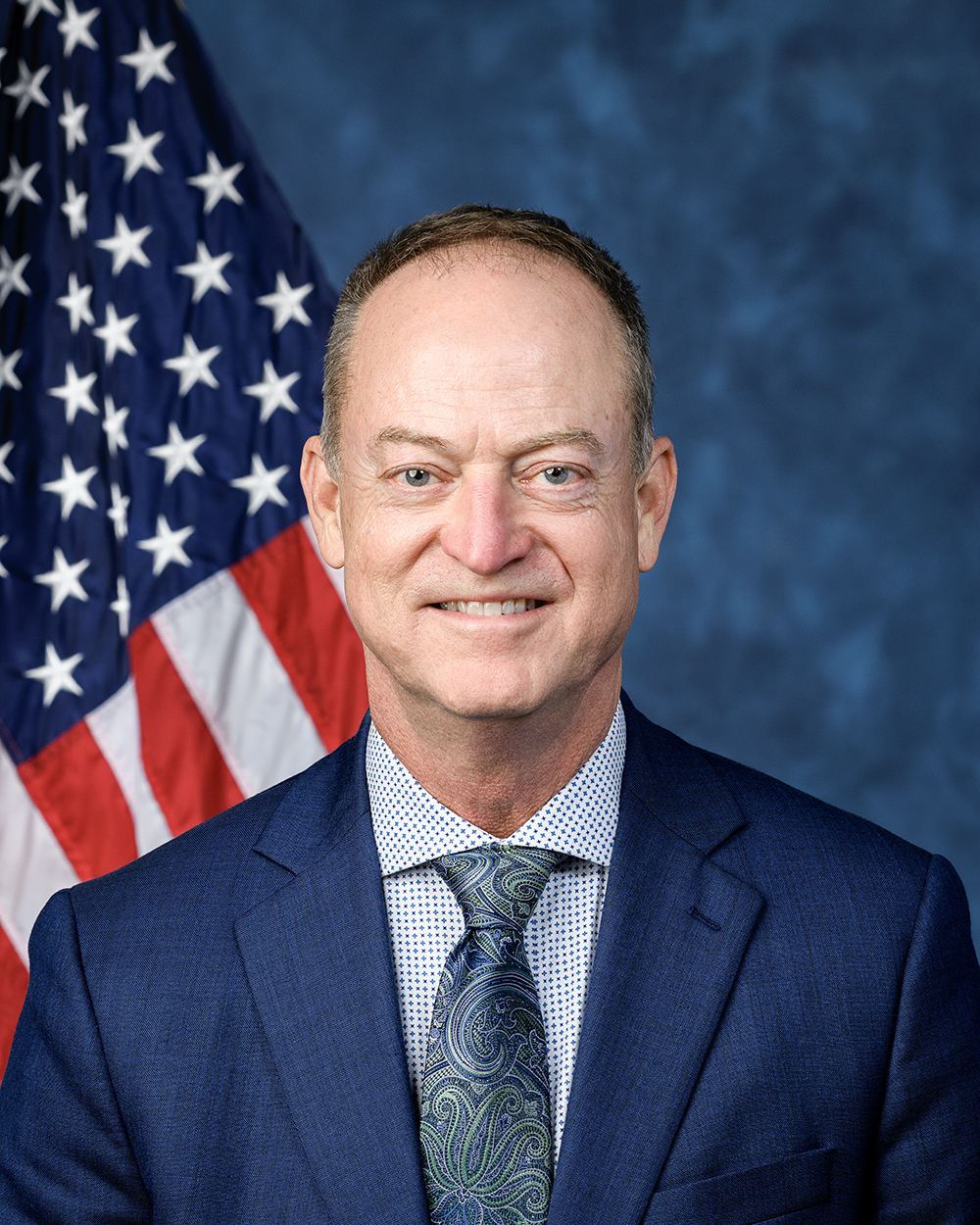
Rep. Mark B. Messmer
Sponsored bills
Maddy summaryHR 692, the China Exchange Rate Transparency Act of 2025, requires the U.S. Treasury Secretary to direct the U.S. representative at the International Monetary Fund (IMF) to advocate for greater transparency from China regarding its exchange rate policies. Specifically, it mandates advocating for China to disclose more details about its currency management, including how its policies align with other major economies used in the IMF’s currency basket. The law expires 30 days after China meets specific transparency standards (as reported by the U.S. IMF representative) or 7 years after enactment, whichever comes first. This bill directly affects China’s engagement with the IMF and the U.S. Treasury’s role in international financial oversight.
Maddy summaryThe Laken Riley Act expands mandatory detention for immigrants convicted of certain property crimes like burglary, theft, or shoplifting by adding these offenses to existing immigration detention criteria. It requires the federal government to issue detainers for such individuals and take custody if not detained by local authorities. The bill also grants state attorneys general standing to sue federal officials in federal court if they believe immigration enforcement actions (like releasing detained immigrants) cause the state financial harm exceeding $100. This creates new legal pathways for states to challenge federal immigration decisions through expedited lawsuits.
Maddy summaryThe HALT Fentanyl Act (HR 27) creates a new category of Schedule I controlled substances for "fentanyl-related substances" defined by specific chemical modifications to fentanyl. This law directly affects researchers, medical professionals, and law enforcement by expanding the legal definition of fentanyl-related substances to include many structurally similar compounds. Key provisions include streamlined registration processes for research on these substances, allowing researchers to conduct studies with expedited procedures if related to FDA-approved drug development or government-funded research. The bill requires the Attorney General to issue implementing rules within six months and includes penalties for violations involving these substances.
Maddy summaryHJRES 38 is a joint resolution seeking congressional disapproval of an Environmental Protection Agency (EPA) rule implementing the American Innovation and Manufacturing (AIM) Act. The rule manages the phasedown of hydrofluorocarbons (HFCs), potent greenhouse gases used in refrigeration and air conditioning, under the AIM Act of 2020. If approved, this resolution would block the EPA rule from taking effect, preventing its implementation of HFC management requirements. This is a procedural disapproval under the Congressional Review Act, not a new law, and directly affects the EPA’s regulatory authority over HFCs.
Maddy summaryHR 1131 exempts certain family farms and small businesses from being counted as assets when calculating financial need for federal student aid under the Higher Education Act. Specifically, it amends the law to exclude the net value of a family farm where the family resides and small businesses (with ≤100 employees) owned by the family from need analysis calculations. This change directly affects students from qualifying family farm or small business households when applying for federal financial aid. The exemption applies to need analysis conducted for award years beginning after the bill's enactment date. The bill modifies Section 480(f)(2) of the Higher Education Act of 1965 to implement this policy change.
Maddy summaryThis bill expands 529 college savings account flexibility by allowing funds to cover costs for industry-recognized postsecondary credentials, not just traditional degrees. It defines "qualified expenses" to include tuition/fees for recognized credential programs (like certifications or apprenticeships), required testing fees, and continuing education needed to maintain credentials. To qualify, programs must meet specific criteria, such as appearing on state lists under the Workforce Innovation and Opportunity Act or being listed in VA or Defense directories. The change applies to 529 distributions made after the law's enactment, giving families more options to use these accounts for job-focused training.
Maddy summaryHR 1046, the Marc Fischer Memorial Act, requires the Bureau of Prisons to implement digital mail scanning technology at all federal prisons to detect fentanyl and other synthetic drugs in inmate mail. It mandates a strategy within 90 days of an evaluation, including 100% scanning of all mail, digital copies of mail to inmates within 24 hours, and physical mail delivery within 30 days for non-contaminated items. The bill directly affects federal prison staff, inmates, and the Bureau of Prisons by aiming to reduce drug-related overdoses and alleviate staff workload tied to mail processing. Implementation must be completed within three years, with annual reports tracking detected drugs and strategy efficiency. The legislation focuses on concrete technological and procedural changes to enhance safety, referencing a successful pilot program at two facilities.
Maddy summaryHR 1018, the INSTRUCT Act of 2025, requires universities receiving federal funding to publicly disclose foreign financial sources and mandates the Department of Education to share these unredacted reports with 10 national security and intelligence agencies within 30 days. It directly affects institutions of higher education that receive federal funds and disclose foreign financial support. Key provisions include making these disclosure reports public records, requiring immediate sharing of existing and future reports with agencies like the FBI and CIA, and directing the GAO to study ways to improve interagency coordination on enforcement within three years. The bill focuses on increasing transparency around foreign funding in education and enhancing federal agency information sharing for national security purposes.
Maddy summaryHR 1007, the Antisemitism Awareness Act of 2025, clarifies how the Department of Education enforces Title VI of the Civil Rights Act of 1964 to address discrimination against Jewish individuals. It requires the Department to consider the International Holocaust Remembrance Alliance (IHRA) definition of antisemitism when investigating complaints involving discrimination based on actual or perceived Jewish ancestry or ethnic characteristics. This affects Jewish students and communities in K-12 schools and colleges receiving federal funding, as it ensures antisemitism is assessed under existing civil rights protections. The bill does not create new laws but specifies that the IHRA definition - already used by the Department since 2018 - must be applied in Title VI enforcement cases.