

Maddy summaryThe Residential Recovery for Seniors Act expands Medicare coverage to include three specific levels of residential treatment for substance use disorders: clinically managed low-intensity, clinically managed high-intensity, and medically managed services. To qualify for this coverage, facilities must meet strict standards regarding staffing, clinical assessments, and adherence to evidence-based criteria developed by recognized medical associations. The bill also establishes a new payment system that reimburses these facilities on a per-day basis, starting in fiscal year 2027, with rates initially set to cover 100% of their estimated costs.
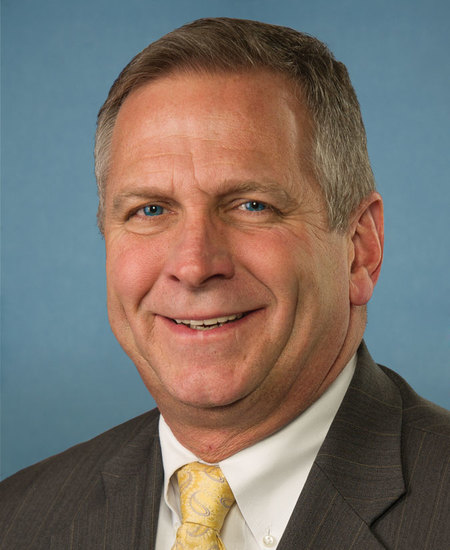
Rep. Mike Bost
Sponsored bills
Maddy summaryThe Securing Agriculture's Workforce Act of 2026 modernizes the H-2A visa program by transferring administrative authority to the Department of Homeland Security and introducing a unified online platform to streamline applications for employers and workers. Key provisions include establishing new housing standards with mandatory inspections, creating a system for staggered worker entry and exit, and allowing workers to transfer between employers without losing their status. The bill also defines specific job classifications for wage calculations, expands the scope of covered agricultural activities, and provides legal protections for employers who document the employment of workers seeking visa status. Additionally, it requires agencies to develop a heat illness prevention plan and allows for contract termination due to natural disasters.
Maddy summaryThe Veterans STAND Act requires the Department of Veterans Affairs to provide annual preventative health assessments to veterans with spinal cord injuries or disorders. These assessments cover risks for health complications, chronic pain management, dietary needs, prosthetic equipment, and access to assistive technologies like spinal cord neuromodulation devices. The VA must consult with medical specialists and device manufacturers when creating guidelines and submit yearly reports to Congress on veterans' use of these services and devices. This policy directly affects veterans with spinal cord injuries by ensuring regular, tailored health evaluations to improve long-term management and independence.
Maddy summaryThe End EPA Abuse Act of 2026 amends the Clean Air Act to limit the Environmental Protection Agency's authority to create new regulations. Specifically, it prohibits the EPA Administrator from issuing rules that restrict the sale or use of internal combustion engine vehicles, force power plants to switch fuel sources, or reduce the reliability of the electric grid. The bill also bars the agency from mandating technologies that are commercially unavailable, too expensive without subsidies, or technically unfeasible due to geographic or infrastructure limitations. Additionally, the law prevents the EPA from expanding its regulatory power beyond what Congress originally intended. These changes directly affect the EPA's ability to enforce environmental standards and impact industries such as automotive manufacturing and energy production.
Maddy summaryThis bill prevents public colleges receiving federal funding from denying religious student groups access to campus facilities and official recognition - same as other student organizations. It requires equal treatment for religious groups regarding meeting spaces, events, and institutional support, prohibiting discrimination based on religious beliefs or practices. The law directly affects all public universities participating in federal student aid programs (over 400 institutions). It mandates policy changes to ensure religious groups receive the same access and benefits as secular clubs.
Maddy summaryHR 2332, the SHARE Act of 2025, standardizes how states share criminal history background check information for professional licensing across state lines. It requires the FBI to provide this information to state licensing authorities through agreements with law enforcement, specifically for verifying applicants seeking licenses or practice privileges in multiple states. The bill strictly prohibits states from sharing detailed criminal history records with other states or the public, allowing only a simple "satisfactory" or "unsatisfactory" result to be shared. This directly affects licensed professionals (like nurses or contractors) seeking to practice in multiple states and the state agencies that issue their licenses.
Maddy summaryThis bill, titled the Ban Abortion by Mail Act, aims to restrict how abortion medications like mifepristone are prescribed by requiring an in-person visit between the patient and the doctor. It directly affects health care providers who are currently certified by the FDA to dispense these drugs, threatening their certification status if they prescribe them without a physical examination or to patients living in states where the provider lacks a medical license. The legislation mandates that the FDA report annually to Congress on any providers who lose this certification due to violations or unsafe prescribing practices. By enforcing these specific conditions, the bill seeks to ensure that all prescriptions for abortion drugs are administered under strict supervision and within the legal boundaries of the patient's state.
Maddy summaryThis bill redesignates the existing National Parks and Public Land Legacy Restoration Fund as the America's Legacy Restoration Fund to address deferred maintenance on federal lands. It directs revenue from recreation fees and a portion of energy development income into the fund, which must be used primarily for repairing critical infrastructure like roads, trails, and buildings managed by agencies such as the National Park Service and the Forest Service. The legislation establishes strict rules requiring that most funds go toward non-transportation projects, mandates transparency through public dashboards tracking project status, and sets aside a small percentage for matching private donations. Additionally, the bill increases entrance fees for foreign visitors to ensure they contribute to the fund, while prohibiting the use of these specific funds for land acquisition or employee bonuses.
Maddy summaryThe REAL Butter Act requires food manufacturers to clearly label products made from lab-created milkfat as "lab-created butter" on their packaging. This rule applies to any item marketed as butter that uses non-agricultural sources for its milkfat instead of traditional dairy. The law defines these products specifically as those that do not meet the existing federal standard of identity for butter. By mandating this specific wording on labels, the bill aims to ensure consumers can easily distinguish between traditional butter and synthesized alternatives.
Maddy summaryThe Hydropower Licensing Affordability Act amends the Federal Power Act to modify how federal licenses for hydropower projects are issued. Specifically, it requires that license conditions include measures to reasonably mitigate direct adverse effects on federal reservations and fish populations within applicable river systems. These changes aim to ensure that new or existing hydropower projects address environmental impacts on protected lands and aquatic species before a license is granted. The bill directly affects hydropower project developers and federal agencies responsible for licensing and environmental oversight.