

Maddy summaryThis bill, titled the Permanent Trump Secure Border Act, aims to strengthen border security and reform immigration enforcement by directing the Department of Homeland Security to resume and complete the construction of a physical border wall, expand the use of surveillance technology, and increase staffing levels for Border Patrol agents. It also imposes stricter rules on asylum eligibility and employment authorization for applicants, mandates the reopening of specific immigration detention facilities, and requires the return of individuals arriving from contiguous foreign countries to those nations while their claims are processed. Additionally, the legislation expands penalties for visa overstays, limits the use of certain digital tools like the CBP One app, and includes provisions to reduce funding for organizations that facilitate illegal entry or provide services to inadmissible aliens.
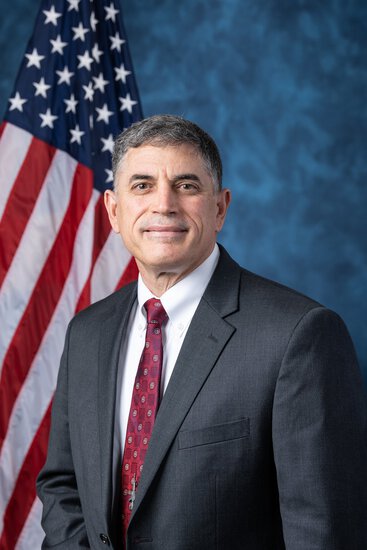
Rep. Andrew S. Clyde
Sponsored bills
Maddy summaryThe Homeownership Eligibility Reform Act restricts access to government-backed and private mortgage insurance for single-family homes to individuals who are U.S. citizens. Specifically, the bill amends laws governing the Federal Housing Administration, Fannie Mae, and Freddie Mac to require that borrowers for one-to-four-unit properties must be citizens to qualify for their mortgage products. This change directly affects foreign nationals and non-citizen residents who currently might purchase homes with these types of financing, effectively limiting their eligibility for these specific mortgage programs.
Maddy summaryThis bill proposes a constitutional amendment to repeal the Seventeenth Amendment, which currently mandates the direct election of U.S. Senators by the public. If ratified by conventions in three-fourths of the states, the change would restore the original system where state legislatures select Senators. The proposal includes a provision to protect the terms of any Senators currently serving, ensuring their positions remain unaffected by the transition. This measure directly impacts the method of choosing Senators and would alter the balance of power between the federal government and state legislatures.
Maddy summaryThe End EPA Abuse Act of 2026 amends the Clean Air Act to limit the Environmental Protection Agency's authority to create new regulations. Specifically, it prohibits the EPA Administrator from issuing rules that restrict the sale or use of internal combustion engine vehicles, force power plants to switch fuel sources, or reduce the reliability of the electric grid. The bill also bars the agency from mandating technologies that are commercially unavailable, too expensive without subsidies, or technically unfeasible due to geographic or infrastructure limitations. Additionally, the law prevents the EPA from expanding its regulatory power beyond what Congress originally intended. These changes directly affect the EPA's ability to enforce environmental standards and impact industries such as automotive manufacturing and energy production.
Maddy summaryThis bill prevents public colleges receiving federal funding from denying religious student groups access to campus facilities and official recognition - same as other student organizations. It requires equal treatment for religious groups regarding meeting spaces, events, and institutional support, prohibiting discrimination based on religious beliefs or practices. The law directly affects all public universities participating in federal student aid programs (over 400 institutions). It mandates policy changes to ensure religious groups receive the same access and benefits as secular clubs.
Maddy summaryThis resolution commemorates the fourth anniversary of the 2022 Supreme Court decision in Dobbs v. Jackson Women's Health Organization, which removed the federal constitutional right to abortion. The text expresses support for state authority to regulate abortion and acknowledges the work of pregnancy centers that provide care to women and families. It also recognizes the belief that unborn life possesses inherent rights and calls for the protection of that life. As a symbolic measure, the bill does not change any laws or policies but serves to formally celebrate the anniversary and state the House's position on the issue.
Repealing Big Brother Overreach Act This bill repeals the Corporate Transparency Act. The act requires existing companies and newly created companies to report beneficial ownership information to the Department of the Treasury’s Financial Crimes Enforcement Network for purposes of addressing the financing of terrorism and money laundering.
Maddy summaryThis resolution introduces articles of impeachment against U.S. District Court Judge Eleanor Louise Ross, targeting her for three specific allegations of misconduct. The first article charges her with engaging in an undisclosed extramarital affair with a law enforcement officer while on the job, which created a conflict of interest and violated judicial conduct codes. The second article accuses her of attending a partisan political event sponsored by a district attorney's campaign and admitting to drinking alcohol before presiding over a criminal case. The third article alleges that she knowingly made false statements to federal judges during an investigation into her behavior, thereby obstructing an official proceeding and violating federal law.
Maddy summaryThis joint resolution expresses the U.S. Congress's disapproval of a specific law passed by the District of Columbia Council. The D.C. law, known as the Body-Worn Camera Transparency for Use of Force Temporary Amendment Act of 2026, was designed to increase transparency regarding how police officers use force. By submitting this resolution, Congress formally objects to the local legislation but does not change any laws or policies. The measure serves as a symbolic statement of disagreement rather than a functional change to federal or local governance.
Maddy summaryThis joint resolution expresses the U.S. Congress's disapproval of a specific law passed by the District of Columbia Council. The bill directly affects the District of Columbia by rejecting its "Full Accountability in Arrest Reporting Temporary Amendment Act of 2026," which was intended to modify how arrest data is reported. The mechanism used is a formal legislative statement that does not change any laws or policies but serves to record the federal government's opposition to the local action. This measure is a procedural response that highlights a disagreement between the federal and local governments without altering the actual operation of arrest reporting in Washington, D.C.