

Maddy summaryHR 1505, the Public Safety Employer-Employee Cooperation Act, establishes federal standards for collective bargaining rights for public safety officers (including police, firefighters, and emergency medical personnel) in states that do not meet minimum requirements. The Federal Labor Relations Authority (FLRA) will determine after 180 days whether a state law "substantially provides" key rights, such as forming unions, negotiating wages/hours, and using binding arbitration to resolve disputes. If a state fails this assessment, federal bargaining rules apply within two years, but existing state laws with stronger protections remain valid. The bill explicitly respects state laws that exceed its standards and exempts small jurisdictions (under 5,000 population or 25 full-time employees).
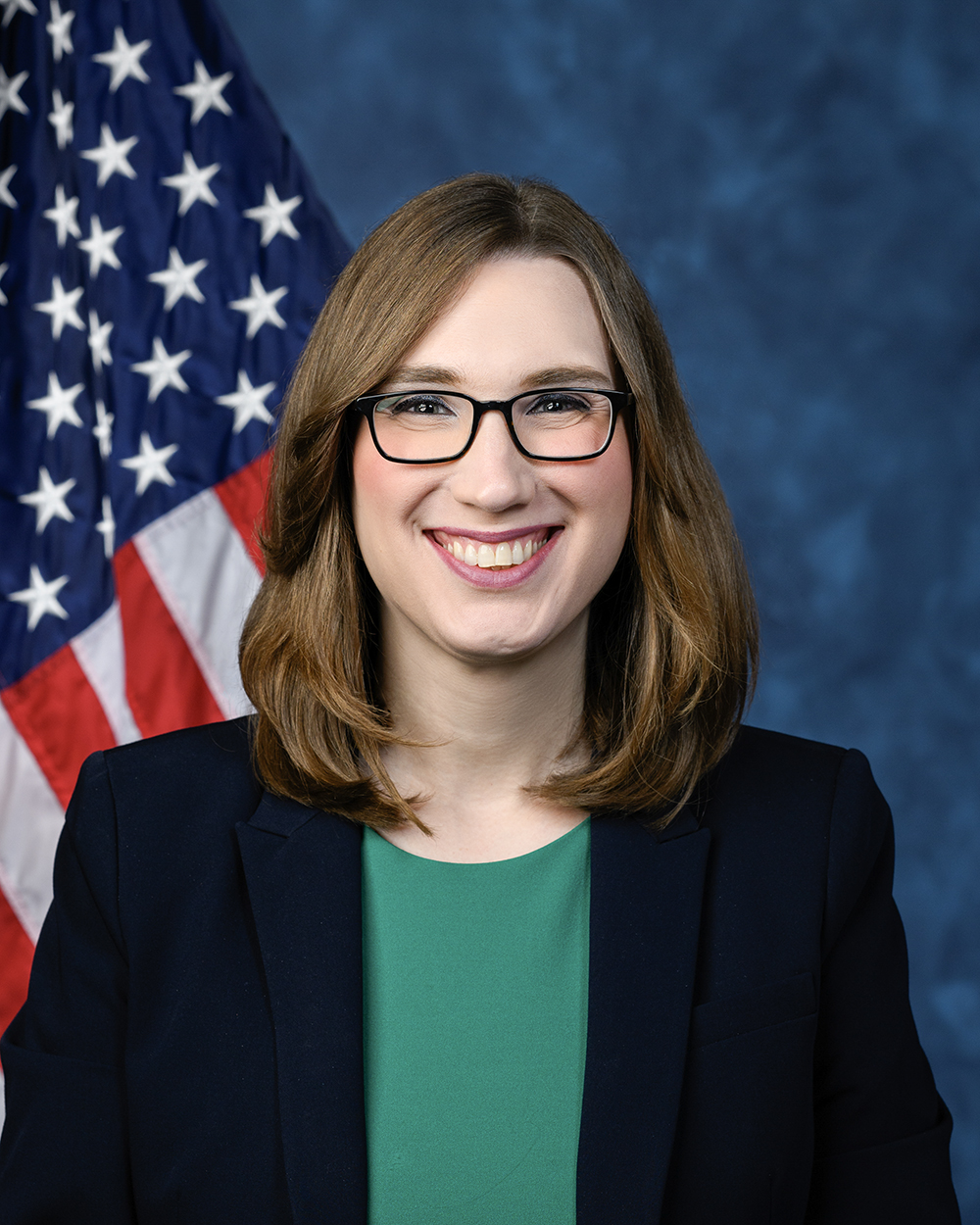
Rep. Sarah McBride
Sponsored bills
Maddy summaryThis bill would require states to create a simplified process for out-of-state healthcare providers to join Medicaid and CHIP programs. Qualified providers (those already enrolled in Medicare or another state's program with low fraud risk) could enroll without excessive screening and would be approved for five years. It directly affects children under 21 enrolled in Medicaid or CHIP by expanding access to providers outside their state, particularly in underserved areas. The change applies to all states' Medicaid programs but takes effect three years after enactment.
Increasing Access to Dental Insurance Act This bill permits individuals to enroll in a dental benefits plan on a health insurance exchange without also enrolling in a qualified health plan.
Maddy summaryThe Poverty Line Act of 2025 updates how the federal poverty line is calculated to better reflect current costs of basic needs. It requires annual revisions using a 5-year average of household spending on food, housing, childcare, and healthcare (adjusted for inflation), with regional variations based on state or county data. This change directly affects households applying for federal assistance programs like SNAP or Medicaid, as eligibility will now align with more accurate, location-specific costs. The bill also mandates a public online tool to help determine poverty line thresholds and includes safeguards to prevent sudden eligibility changes during relocations.
Maddy summaryHR 1436, the ENABLE Act, makes permanent key tax provisions for ABLE accounts - tax-advantaged savings accounts for people with disabilities. It removes the 2026 expiration date for increased contribution limits to ABLE accounts and allows rollovers from 529 college savings plans into ABLE accounts without tax penalties. These changes directly affect individuals with disabilities who use ABLE accounts for qualified expenses like housing, education, and medical costs. The bill ensures these financial tools remain available long-term, streamlining access to savings without requiring new legislative action each year.
This concurrent resolution declares that Congress should not impose any new performance fee, tax, royalty, or other charge relating to the public performance of sound recordings on a local radio station for broadcasting sound recordings over the air, or on any business for such public performance of sound recordings.
This bill expands the E-3 visa program to cover Irish nationals. The E-3 visa is a nonimmigrant visa currently only available to Australian nationals coming to the United States for employment in a specialty occupation. For Irish E-3 initial applications, the Department of State may approve each fiscal year no more than 10,500 minus the number of Australian initial applications approved the previous fiscal year.
Improving Care and Access to Nurses Act or the I CAN Act This bill allows other health care providers besides physicians (e.g., nurses) to provide certain services under Medicare and Medicaid. Among other changes, the bill (1) allows a nurse practitioner or physician assistant to fulfill documentation requirements for Medicare coverage of special shoes for diabetic individuals; (2) expedites the ability of physician assistants, nurse practitioners, and clinical nurse specialists to supervise Medicare cardiac, intensive cardiac, and pulmonary rehabilitation programs; and (3) allows nurse practitioners to certify the need for inpatient hospital services under Medicare and Medicaid.
Maddy summaryHR 1330 establishes the Smithsonian National Museum of the American Latino, authorizing its location within the National Mall's "Reserve" area. The bill requires the Smithsonian Board to coordinate with federal agencies managing potential museum sites, including notifying relevant congressional committees before land transfers. It mandates that the museum's exhibits and programs accurately represent the diverse cultures, histories, and viewpoints of Hispanic and Latino communities in the U.S., seeking input from a broad range of community experts. The Smithsonian must also submit regular reports to Congress detailing compliance with these representation requirements.
More Homes on the Market Act This bill increases the amount of gain from the sale of a principal residence that an individual may exclude from gross income (for federal tax purposes). Under the bill, an individual may exclude from gross income gain from the sale of a principal residence of up to $500,000 (currently $250,000), and taxpayers who are married and file a joint federal income tax return may exclude up to $1 million (currently $500.000). The bill also requires these amounts to be adjusted annually for inflation.