

Maddy summaryHR 881, the DHS Restrictions on Confucius Institutes and Chinese Entities of Concern Act, restricts Department of Homeland Security (DHS) funding for colleges and universities that maintain relationships with China-funded Confucius Institutes or specific Chinese entities deemed "of concern." It prohibits DHS funding for institutions with ties to Confucius Institutes, the Thousand Talents Program, or Chinese universities involved in military-civil fusion, defense work, Uyghur persecution, election interference, or other activities listed in the bill. Institutions must terminate such relationships within one year of enactment to regain eligibility for DHS funds. The bill requires the DHS Secretary to report to Congress on any institutions violating this funding restriction. (3 sentences)
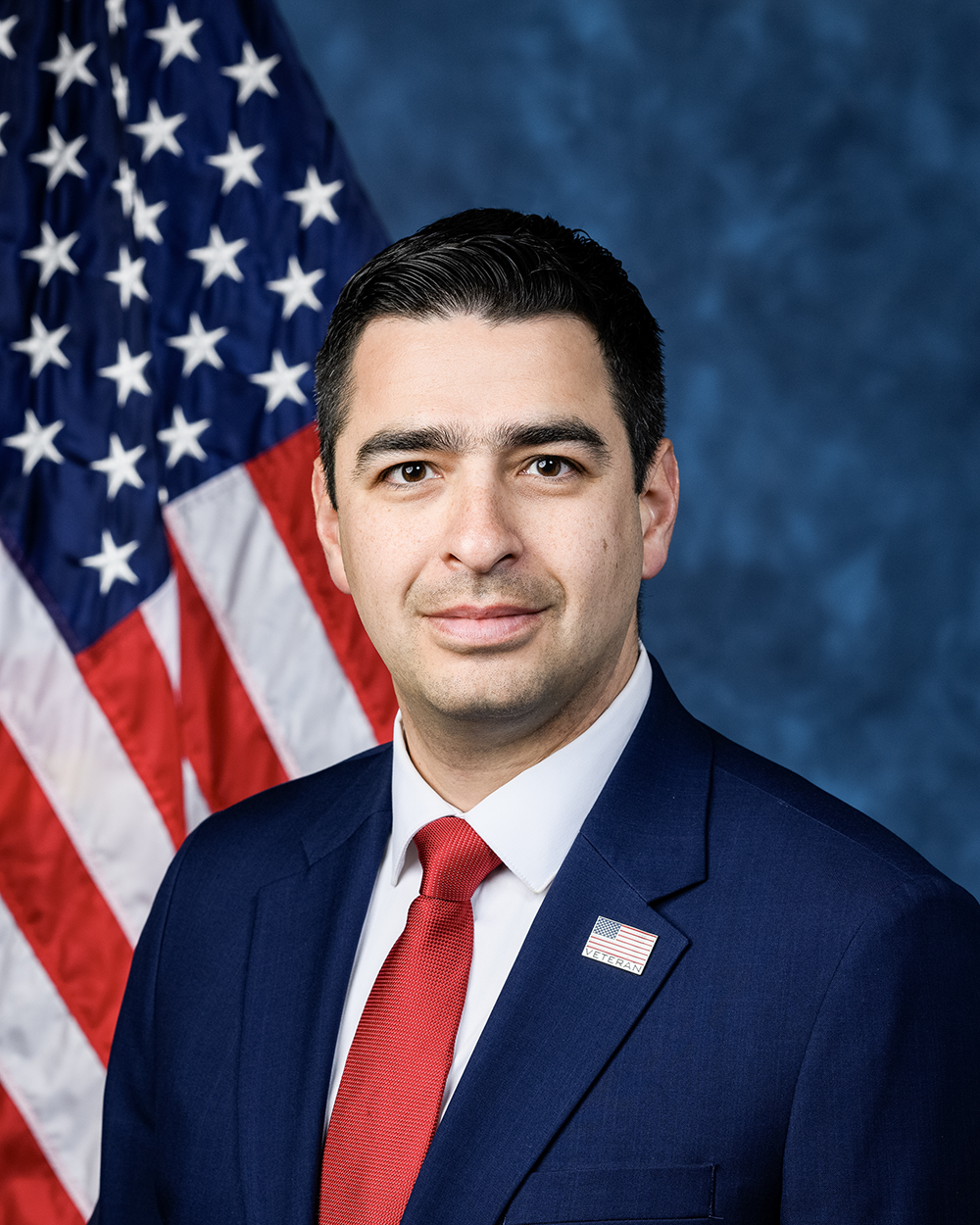
Rep. Gabe Evans
Sponsored bills
Maddy summaryThis bill increases mandatory prison sentences for non-citizens convicted of certain crimes after entering the U.S. without authorization or being deported. It raises the minimum sentence from 2 to 5 years for those who improperly enter the U.S. and later commit a crime punishable by over one year in prison. For non-citizens previously deported who commit crimes, it increases the minimum sentence from 2 to 10 years and mandates at least 10 years for offenses including aggravated felonies, state/federal felonies, or crimes punishable by over one year. These changes apply to all non-citizens convicted under these circumstances, regardless of jurisdiction.
Maddy summaryHR 3184, the PFAS Alternatives Act, funds research to develop turnout gear (firefighter safety clothing) without harmful PFAS chemicals, directly affecting firefighters who wear this gear. It authorizes $25 million annually (2025-2029) for grants to eligible organizations to research and test PFAS-free gear, requiring partnerships with firefighting groups to translate findings into practice. The bill also allocates $2 million yearly (2027-2031) for training programs on safe gear use and decontamination. Its goal is to reduce firefighters' exposure to chemicals linked to occupational illnesses during operations.
Maddy summaryThis bill creates a new system for recognizing and regulating individuals who help veterans file benefit claims. It requires the VA to provide veterans with information about free assistance options and maintain a public list of accredited representatives. The bill sets a maximum fee limit of $12,500 or 5 times the monthly benefit increase for representatives, and establishes penalties for unaccredited representatives who charge improper fees. The law aims to protect veterans from unscrupulous representatives while ensuring they have access to quality assistance with their benefit claims.
Maddy summaryHR 3199, the Captive Primate Safety Act of 2025, bans the import, export, sale, breeding, and possession of certain nonhuman primates (including chimpanzees, gorillas, and lemurs) in interstate or foreign commerce. It directly affects pet owners, breeders, zoos, and wildlife facilities that currently handle these primates. The bill allows limited exceptions for existing owners who register their primates with the U.S. Fish and Wildlife Service within 180 days, agree to stop breeding/selling, and prevent public contact. It amends the Lacey Act to implement these restrictions, with enforcement beginning immediately regardless of regulatory timelines.
Maddy summaryHR 3200 increases the tax credit for battery production by raising the advanced manufacturing credit for electrode active materials from 10% to 25%. It requires that qualifying battery components meet specific sourcing thresholds: by 2026, at least 70% of critical minerals must be extracted, processed, or recycled in the U.S., U.S. free trade agreement countries, or North America, rising to 80% after 2026. The bill also mandates that 70% of battery component materials must be produced in North America by 2026, increasing to 100% after 2028. Components containing critical minerals or materials sourced from "foreign entities of concern" are excluded from the tax credit, and the changes apply to components produced and sold after December 31, 2025.
Maddy summaryHR 3143, the State Planning for Reliability and Affordability Act, requires electric utilities to include specific reliability measures in their integrated resource planning. It defines "reliable generation facilities" as those providing continuous power for at least 30 days (with on-site fuel, contractual fuel agreements, emergency operation capability, and grid support services like frequency control). Utilities must ensure these facilities maintain electricity reliability over a 10-year period. State regulators must begin reviewing these plans within one year of enactment and finalize determinations within two years. The bill directly affects electric utilities and state regulatory authorities overseeing utility operations.
Maddy summaryThis bill creates a federal grant program to help cover medical costs for retired Federal working dogs (like police or military K9s). It authorizes $1 million annually (2026-2030) for eligible nonprofits with a two-year history of providing such care to dogs that have received official retirement letters and are now with their handlers. The grants allow these organizations to pay for veterinary expenses, directly supporting retired service dogs and their handlers. The program is administered through the Department of Homeland Security under existing grant authority.
Maddy summaryThis bill (HR 3113) prohibits federal funding for most emergency response maps after fiscal year 2026, requiring any funded map to meet specific digital and accessibility standards. It directly affects federal agencies and public safety agencies (like police or fire departments) that use these maps for emergencies at government-owned sites (e.g., buildings or campuses). Key provisions mandate maps must be digital, stored in the U.S., integrate with safety software, display precise features (like exits, hazards, and utility points), and be verifiable via site inspections. The bill also requires the Secretary of Homeland Security to develop a strategy for procuring compliant maps for federal sites within one year. Note: The bill’s title ("Uniform School Mapping Act") appears inconsistent with its actual focus on federal emergency response maps, not school mapping.
Hot Foods Act of 2025 This bill expands the Supplemental Nutrition Assistance Program (SNAP) to permit the use of SNAP benefits to purchase hot foods or hot food products ready for immediate consumption.