

Maddy summaryThis bill requires automatic emergency braking systems in new passenger vehicles to detect and respond to vulnerable road users - including pedestrians, cyclists, motorcyclists, and wheelchair users - in all daylight and low-light conditions across the full speed range specified by existing standards. It mandates that vehicle manufacturers update these systems by September 1, 2029, with the rulemaking process starting within 180 days of the bill's enactment. The law specifically prohibits altering the maximum operating speed of these systems as defined in the 2024 rule. This directly affects all U.S. vehicle manufacturers selling new passenger cars and light trucks.
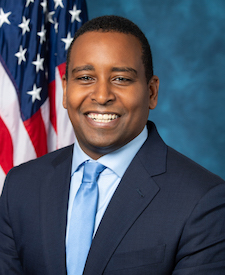
Rep. Joe Neguse
Sponsored bills
Maddy summaryThe PART Act requires new vehicles to have catalytic converters marked with a unique identification number that links directly to the vehicle's identification number, stored in a law enforcement-accessible database. It establishes a $7 million grant program to help repair shops, dealers, law enforcement, and fleet owners purchase equipment for marking converters with visible, durable identifiers (using die or pin stamping and high-visibility paint). The bill also mandates that businesses buying catalytic converters keep detailed seller records (including vehicle information) for two years and use traceable payments, banning cash or cryptocurrency transactions. Additionally, it creates new federal criminal penalties for stealing or trafficking in catalytic converters, with potential sentences of up to five years in prison.
Maddy summaryThe REPAIR Act requires motor vehicle manufacturers to provide car owners and independent repair shops with full access to vehicle data and repair information, prohibiting technological or legal barriers that restrict this access. It mandates that manufacturers share vehicle-generated data, critical repair information, and tools on equal terms with dealers and authorized service providers, without requiring consumers to use specific brands of parts or tools. The law establishes an advisory committee to monitor implementation and ensure fair competition in vehicle repair, while giving the Federal Trade Commission authority to enforce these requirements as unfair or deceptive practices. This legislation directly affects car owners, independent repair facilities, aftermarket parts manufacturers, and motor vehicle manufacturers by shifting control of repair information and data from manufacturers to consumers.
Maddy summaryThis bill, known as the BASICS Act, creates a new $5.5 billion federal funding program over five years to repair and replace bridges in poor condition across the United States. The program prioritizes projects based on the cost of bridge rehabilitation in each state and guarantees a minimum funding allocation of $45 million per state annually. It also expands funding for regional transportation planning in rural areas and increases flexibility for local governments to select and manage transportation projects through enhanced consultation requirements. Additionally, the legislation removes local matching fund requirements for metropolitan planning activities and allows 100 percent federal funding for off-system bridge projects owned by local governments or tribes.
Maddy summaryHR 7391, the Community Health Center Drug Pricing Protection Act, requires that Federally Qualified Health Centers (FQHCs) pay the discounted 340B ceiling price for covered drugs **at the time of purchase**, not later through rebates or adjustments. This directly affects FQHCs, which rely on 340B discounts to provide affordable care to low-income patients. The bill amends the Public Health Service Act to prohibit manufacturers from entering agreements where FQHCs initially pay more than the ceiling price, with later reimbursement. It takes effect immediately upon enactment for all new drug purchases and applies to existing agreements starting then.
Maddy summaryHR 7347, the *Stop Inhumane Conditions in ICE Detention Act of 2026*, requires all facilities detaining noncitizens under U.S. immigration law - including contracted facilities - to implement real-time health reporting systems for medical, dental, and mental health conditions. It mandates anonymous, multilingual complaint systems for detainees with anti-retaliation protections, annual DHS audits of health conditions (including gender-specific care), and full-time health liaisons at each facility. The bill triggers contract reviews for facilities with three verified health complaints and requires quarterly public reports on conditions and complaints to Congress. These provisions directly affect ICE detention facilities, detainees, and DHS oversight processes, focusing on transparency and accountability in health care.
Maddy summaryHRES 1035 is a non-binding House resolution condemning recent and proposed workforce reductions at FEMA, which the resolution states endanger the agency's ability to prepare for, respond to, and recover from disasters. It specifically cites a 35% staffing shortage at FEMA (per GAO) and notes that over 2,000 permanent staff left FEMA in 2025, weakening disaster response during events like Hurricanes Helene and California wildfires. The resolution expresses concern that staffing cuts would delay aid, reduce assistance to vulnerable communities (including rural, coastal, and wildfire-prone areas), and undermine counterterrorism programs supporting first responders. It calls for a stable, adequately resourced FEMA workforce to ensure effective disaster management, without proposing new legislation or policy changes.
Maddy summaryHR 7370, the REUSE Act of 2026, requires the Environmental Protection Agency (EPA) to produce a public report within two years of enactment. The report must evaluate the feasibility, best practices, and economic impacts of reuse and refill systems for products like food, beverages, cleaning supplies, and shipping containers across sectors including retail, education, and waste management. It specifically examines job creation opportunities, cost-benefit analyses for businesses and waste management, equitable distribution strategies, and barriers to implementation. The bill does not create new regulations but mandates this study to inform future policy decisions on sustainable product systems.
Maddy summaryHR 7335 establishes comprehensive humanitarian standards for individuals held in U.S. Immigration and Customs Enforcement (ICE) and U.S. Customs and Border Protection (CBP) custody. The bill requires facilities to provide immediate health screenings within 12 hours (6 hours for high-risk individuals like children, pregnant people, or those with medical conditions), ensure access to adequate water, sanitation, food (with 2,000+ calories daily for adults), and age-appropriate shelter. It mandates specific facility standards including separate housing for males and females, accessible accommodations for people with disabilities, daily outdoor access for those detained over 48 hours, and proper medical equipment and personnel on-site. The bill also requires regular inspections, staff training on humanitarian protocols, and public reporting of sexual abuse complaints. These standards directly affect all individuals detained by ICE or CBP, with special protections for vulnerable groups like children, pregnant people, and those with medical needs.
Maddy summaryThe Family Violence Prevention and Services Improvement Act of 2026 amends federal law to enhance support for victims of family violence, domestic violence, and dating violence. The bill authorizes $270 million annually for fiscal years 2027-2031 to fund state, tribal, and community programs, with specific funding reserved for tribal programs (12.5%), national hotlines ($20.5 million for general hotline, $4 million for Indian hotline), and services for underserved populations. It requires grantees to provide trauma-informed, culturally appropriate services while prohibiting discrimination and protecting victim confidentiality, and mandates accessibility for people with disabilities and limited English proficiency. The bill also establishes new technical assistance centers, Tribal resource centers, and community-based prevention programs to address the needs of underserved populations including Native Hawaiians, Alaska Natives, and racial and ethnic minorities.