

Repealing Big Brother Overreach Act This bill repeals the Corporate Transparency Act. The act requires existing companies and newly created companies to report beneficial ownership information to the Department of the Treasury’s Financial Crimes Enforcement Network for purposes of addressing the financing of terrorism and money laundering.
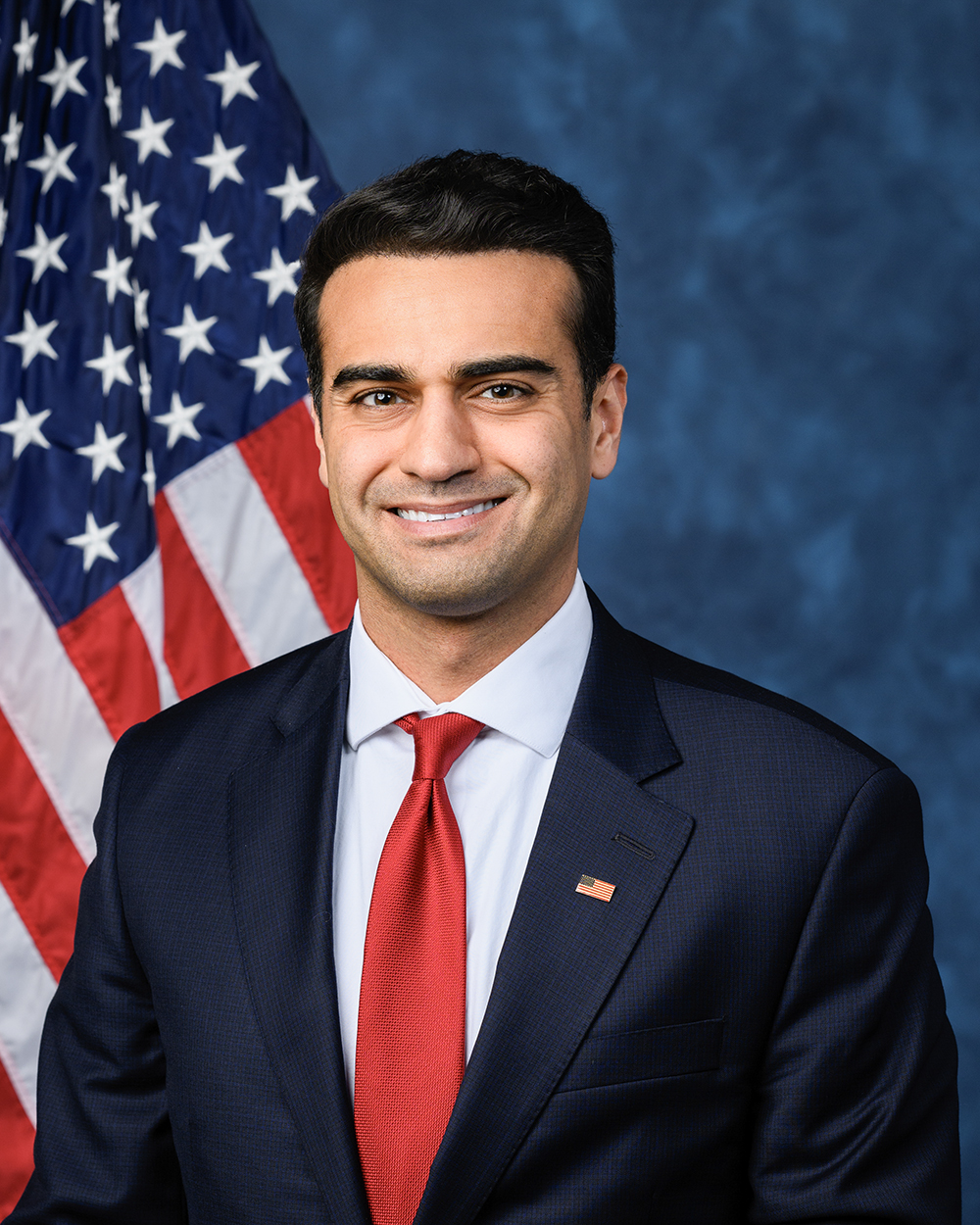
Rep. Abraham J. Hamadeh
Sponsored bills
Maddy summaryThis bill creates a new process to identify military veterans who served at specific Nevada test sites and other facilities linked to toxic exposure, removing the requirement for them to provide proof of contact with harmful substances. It officially classifies service in these areas as involving radiation risks and establishes a legal presumption that veterans who worked there are eligible for disability benefits related to certain diseases without needing to prove a direct link between their illness and the environment. To support these changes, the legislation mandates the creation of a registry to track affected service members and funds a scientific study to better understand the health impacts of toxic exposures at these locations.
Maddy summaryThe No American Left Behind Act directs the Department of Defense to submit a detailed report to Congress within 180 days regarding its efforts to recover, repatriate, and account for U.S. citizens who are held hostage, unlawfully detained, or missing abroad. This report must specifically cover cases in regions like Syria, Iraq, and Afghanistan and analyze how military planning, intelligence, and diplomatic strategies influence these recovery operations. The legislation requires the Secretary of Defense to assess current policies, identify gaps in authority or resources, and evaluate the feasibility of creating a formal "No American Left Behind" doctrine to guide future efforts. Ultimately, the bill aims to ensure that considerations for the safety and return of American nationals are integrated into core defense planning and contingency operations.
Maddy summaryThe No Equipment Left Behind Act of 2026 requires the Department of Defense to submit detailed reports to Congress within 60 days of any significant troop withdrawal or redeployment in designated areas. These reports must include comprehensive inventories of military equipment, cost estimates for disposal options like selling or destroying items, and specific plans to prevent captured gear from being used by hostile groups. The law also mandates that the Secretary of Defense obtain written approval from senior leadership for any decision to abandon, destroy, or demilitarize equipment valued over $10 million. Additionally, the bill establishes annual reporting requirements and tasks the Government Accountability Office with reviewing how the department implements these new accountability measures.
Maddy summaryThis bill amends the Military Land Withdrawals Act to permanently withdraw approximately 22,000 acres of public land near the Yuma Proving Ground in Arizona from general entry, mining, and leasing. The withdrawn land is reserved for military readiness and security, with management responsibilities shared between the Secretary of the Interior and the Secretary of the Army. While the land remains available for conservation, recreation, and hunting, any non-military uses or leases require the consent of the Army to ensure mission compatibility. The withdrawal is indefinite but can be terminated if the Army determines the land is no longer needed for military purposes.
Maddy summaryThis bill, known as the Right to Try for Individualized Treatments Act, allows patients with life-threatening diseases or severe illnesses to access experimental drugs tailored to their unique genetic makeup. To qualify, a patient must have exhausted approved treatment options and receive a physician's certification that standard therapies are unlikely to help, along with written informed consent. The legislation permits manufacturers to offer these personalized treatments without requiring them to prove safety or efficacy, provided the process occurs within an eligible healthcare facility. Importantly, the bill does not mandate that manufacturers provide these treatments, leaving the decision to make them available entirely up to the drug producers.
Maddy summaryThe No Safe Haven for Terrorist Families Act expands U.S. immigration rules to bar close relatives of designated terrorists, senior officials of hostile foreign governments, and sanctioned corrupt leaders from entering or remaining in the country. It defines these "covered family members" to include spouses, children, parents, siblings, grandparents, grandchildren, and nieces or nephews of the listed threat actors, applying the ban retroactively to existing relationships. The bill mandates that visas issued to these individuals be revoked and that they face deportation without eligibility for most forms of legal relief, such as cancellation of removal. To enforce these measures, government agencies must implement new screening procedures within 180 days and submit annual reports detailing the number of inadmissibility determinations, visa revocations, and removals.
Maddy summaryThe MEDIC Careers Act of 2026 aims to help military medics transition into civilian healthcare jobs by requiring the Department of Defense to identify barriers and develop a plan for better credential recognition and training. Under the bill, the Secretary of Defense must work with federal agencies and states to address issues like standardized credentials, accelerated training programs, and access to information about state licensing requirements. Additionally, the act creates a pilot program that provides grants to healthcare providers in rural and underserved areas to hire, train, and retain separating service members. These grants, capped at $600,000 initially, can be used for hiring assistance, licensing support, and coordination with transition services, with funding authorized through fiscal year 2031.
Maddy summaryThis resolution expresses the House of Representatives' support for Prime Minister Benjamin Netanyahu's proposal to shift the U.S.-Israel relationship from traditional financial military aid to a partnership based on mutual defense cooperation and shared economic investment. The bill highlights Israel's role in recent joint military operations against Iran and calls for a new agreement where both nations collaborate on developing advanced technologies like missile defense and artificial intelligence. Additionally, the text condemns the global rise of antisemitism and reaffirms the special bond between the two countries rooted in shared democratic values. As a non-binding resolution, it does not alter existing laws but serves to formally record the House's stance on these foreign policy priorities.
Maddy summaryHR 7086 creates a federal grant program to help states improve charter schools' access to facilities. It provides competitive grants to state education agencies that submit detailed plans showing how they will increase charter schools' access to funding, public buildings, and adequate facilities - particularly in low-income and rural communities. States receiving grants must use federal funds (capped at 60% of costs) to support facility acquisition, leasing, renovation, or financing mechanisms, while ensuring these funds supplement - rather than replace - existing state resources. The bill directly affects charter schools and state education agencies, focusing on closing facility access gaps between charter schools and traditional public schools.