

North Rim Restoration Act This bill allows the National Park Service (NPS) to expedite the approval of contracts to restore forests, structures, and assets within areas of the Grand Canyon National Park impacted by the Dragon Bravo Fire in Arizona. Specifically, the bill authorizes the NPS to use emergency acquisition flexibilities without a presidential emergency or disaster declaration to contract for the following services in such impacted areas: managing or restoring forests, rebuilding structures affected by the fire, improving grounds and structures, conducting recovery efforts, or other specified activities. This authority expires on the date that is the earlier of the following: (1) seven years after the date of this bill's enactment, or (2) the date on which projects and recovery efforts within such area are completed. The NPS may request Congress extend such authority for 12 months if a new wildfire ignites within such area and impacts recovery efforts related to the Dragon Bravo Fire. The bill also authorizes the NPS to enter into noncompetitive procurement contracts for rebuilding, rehabilitating, replacing, or operating assets, such as lodging or utilities, to support the recovery and reopening of the Grand Canyon National Park North Rim. This authority is conditioned upon the NPS making certain determinations regarding the North Rim concessioner and it terminates seven years after this bill's enactment.
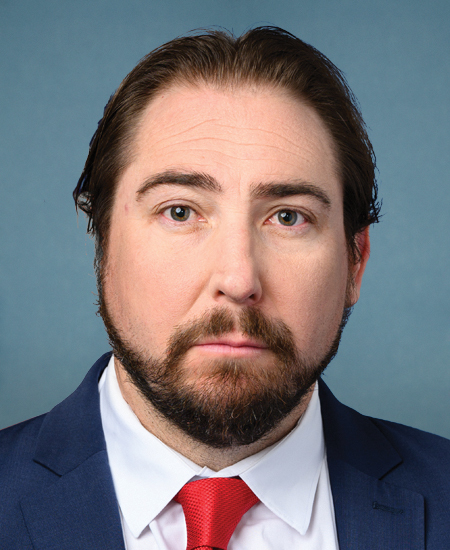
Rep. Elijah Crane
Sponsored bills
Maddy summaryThe Federal Lands Lawful Carry Act modifies federal law to allow individuals who are legally permitted to carry firearms under state laws to do so on specific federal lands open to the public. This change directly affects visitors to areas managed by agencies such as the National Park Service, Bureau of Land Management, and National Forest System. Under the new provisions, carrying a firearm in these exempted areas is considered having a lawful purpose if the individual follows applicable state regulations and is not otherwise prohibited from possessing a weapon. The bill does not authorize carrying firearms in areas where state laws forbid it or in locations that remain closed to visitors.
Maddy summaryThe PRIVACY Act restricts Federal law enforcement agencies from accessing surveillance data collected by State or local agencies without a warrant issued by a Federal judge. It establishes a "Jurisdictional Wall List" maintained by the Attorney General that includes technologies like automated license plate readers and long-range microphones, prohibiting the use of Federal funds to purchase these specific devices. While the bill allows for limited exceptions in emergencies or with consent, it mandates strict rules on data retention, requiring agencies to delete most collected information within 30 days unless it becomes evidence in an active prosecution. Additionally, the legislation bans the use of this data to monitor individuals exercising First Amendment rights and requires regular reporting to Congress on how these surveillance tools are utilized.
Maddy summaryThe McCarty and Heideman Air Safety Enhancement Act directs the Federal Aviation Administration to review its policies on low-altitude airspace safety, specifically focusing on hazards created by temporary obstructions like slacklines and highlines. This review must involve various aviation stakeholders and examine whether current rules for marking, lighting, and reporting these obstacles are effective in preventing aircraft strikes. If the FAA finds existing guidelines insufficient, it is required to update regulations within a year to improve how these hazards are depicted in flight planning tools and communicated to pilots. Additionally, the agency must report its findings and any proposed rule changes to Congress within 90 days of completing the review.
Maddy summaryThe Preserving Our Constitution Act of 2026 prohibits federal courts and government agencies from recognizing or enforcing foreign laws, religious codes, or customs that conflict with the U.S. Constitution. Specifically, it bars the application of rules that discriminate based on race, religion, or gender; restrict freedom of speech or religion; permit forced or underage marriages; or allow cruel punishments and human sacrifice. The bill also prevents U.S. courts from enforcing contracts that choose to apply such incompatible foreign laws or from honoring judgments made by foreign tribunals using those laws. While the legislation establishes these strict prohibitions, it does not create a new private right for individuals to sue for damages if the rules are violated.
Maddy summaryHR 4398, the Veteran Burial Timeliness and Death Certificate Accountability Act, requires Veterans Affairs (VA) physicians or nurse practitioners to certify the death of a veteran who dies of natural causes within 48 hours of learning of the death. This directly affects veterans' families, who previously faced delays of up to eight weeks in burial and access to survivor benefits due to slow death certifications. The bill mandates annual reports to Congress on VA compliance with the 48-hour rule, including statistics on delays and their causes. The key change is establishing a strict timeline for death certification to prevent unnecessary delays in honoring veterans' final arrangements.
Maddy summaryThe Homeownership Eligibility Reform Act restricts access to government-backed and private mortgage insurance for single-family homes to individuals who are U.S. citizens. Specifically, the bill amends laws governing the Federal Housing Administration, Fannie Mae, and Freddie Mac to require that borrowers for one-to-four-unit properties must be citizens to qualify for their mortgage products. This change directly affects foreign nationals and non-citizen residents who currently might purchase homes with these types of financing, effectively limiting their eligibility for these specific mortgage programs.
Maddy summaryThis bill redesignates the existing National Parks and Public Land Legacy Restoration Fund as the America's Legacy Restoration Fund to address deferred maintenance on federal lands. It directs revenue from recreation fees and a portion of energy development income into the fund, which must be used primarily for repairing critical infrastructure like roads, trails, and buildings managed by agencies such as the National Park Service and the Forest Service. The legislation establishes strict rules requiring that most funds go toward non-transportation projects, mandates transparency through public dashboards tracking project status, and sets aside a small percentage for matching private donations. Additionally, the bill increases entrance fees for foreign visitors to ensure they contribute to the fund, while prohibiting the use of these specific funds for land acquisition or employee bonuses.
Maddy summaryHR 7396 establishes the Office of Native American Affairs within the Small Business Administration to specifically support Native American entrepreneurs and tribal economic development. The Office targets programs to help small businesses owned by tribal members and promotes economic growth in Indian country, providing culturally tailored assistance like training, counseling, and access to capital. It requires an appointed Assistant Administrator with tribal expertise to develop policies, collaborate with federal agencies, and provide grants to tribes or tribal organizations for outreach programs. The Office must submit annual reports to Congress on its activities and effectiveness, and its authority expires seven years after enactment. This bill directly affects Indian Tribes, Native Hawaiian Organizations, and small businesses owned by tribal members.
Maddy summaryThe USCP Empowerment Act of 2025 grants the United States Capitol Police (USCP) new authority to address drone threats near Capitol facilities. It allows USCP officers to detect, track, disrupt, seize, or destroy unmanned aircraft systems (drones) posing credible security risks to the Capitol Buildings, Capitol Grounds, or designated areas without prior consent, while requiring coordination with the Transportation Secretary and FAA for aviation safety. The bill includes strict privacy safeguards, limiting intercepted drone communications to 180 days unless needed for investigations, and mandates quarterly reports to Congress detailing drone operations, privacy protections, and impacts on airspace. This law directly affects USCP operations and drone operators near Capitol security zones.