

Maddy summaryHR 524, the "NO GOTION Act," blocks U.S. green energy tax credits for companies tied to specific countries. It amends tax law to deny benefits under sections like 30C, 45, and 48 to any "disqualified company" - defined as entities created in, controlled by, or linked to China, Russia, Iran, or North Korea. The law directly affects corporations with ties to these nations that seek federal tax incentives for clean energy projects. The policy takes effect for tax years after the bill's enactment, removing eligibility for these companies without altering other tax rules.
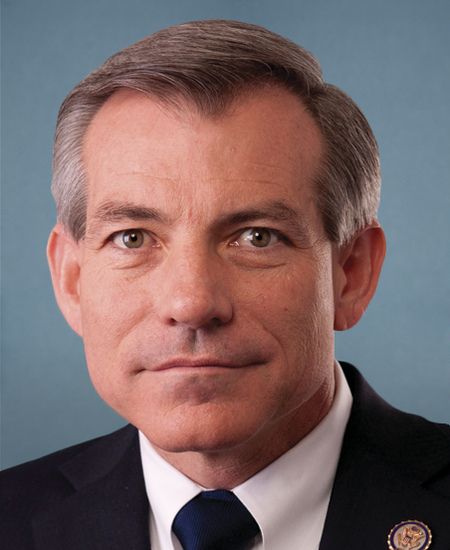
Rep. David Schweikert
Sponsored bills
Maddy summaryHR 404, the "Hearing Protection Act," reclassifies firearm silencers (devices that reduce gunfire noise) as firearms for federal tax and regulatory purposes. It imposes a 10% federal tax on silencers, requires the destruction of all existing federal silencer registration records within one year, and preempts state laws that tax or regulate silencers. The bill clarifies that silencers are treated as firearms under federal law, including for licensing and marking requirements, and defines "firearm silencer" to include specific components. Note: The bill’s title is misleading - it addresses firearm silencer regulation, not hearing protection for people.
Maddy summaryHR 402, the DEBT Act, requires the Treasury Secretary to appear before Congress 21-60 days before reaching the debt limit or using extraordinary measures to avoid default. The bill mandates the Secretary explain specific actions like suspending certain Treasury securities sales or redeeming retirement fund investments, along with their administrative costs. This applies directly to the Treasury Department and the House Ways and Means and Senate Finance committees. The legislation focuses on transparency before debt ceiling decisions, not altering the debt limit itself.
Maddy summaryThis bill amends the Federal Food, Drug, and Cosmetic Act to allow artificial intelligence (AI) and machine learning technologies to legally prescribe drugs under specific conditions. It requires AI systems to be both authorized by state law and approved by the FDA under sections 510(k), 513, 515, or 564. The law directly affects healthcare AI developers, providers, and patients by establishing a regulatory framework for AI-driven drug prescriptions. Key provisions define AI as a "practitioner" for prescription purposes only when meeting these two federal and state requirements. This creates a clear pathway for AI to legally prescribe drugs within existing FDA and state oversight.
Maddy summaryHR 239, the JFK Act of 2025, requires federal agencies to publicly release all unclassified and unredacted records related to President John F. Kennedy's assassination within 30 days of the bill becoming law. It mandates disclosure by specific officials - including the Archivist, CIA Director, FBI Director, and others - and overrides prior laws and presidential memorandums that had withheld such records. The bill also directs the Attorney General to petition courts to lift seals on any sealed assassination records held in court or under grand jury secrecy. This legislation directly affects federal agencies holding these records and aims to make all relevant information publicly accessible.
Maddy summaryHR 237, the Paws Off Act of 2025, requires food manufacturers to add specific warning labels on products containing xylitol, a sugar substitute toxic to dogs if ingested. The bill amends federal food labeling law to mandate that all such foods include a clear warning about xylitol's dangers to dogs. The Food and Drug Administration must issue an interim rule within 6 months and a final rule within 1 year of the bill's enactment to implement this requirement. This directly affects food producers who sell products with xylitol and aims to protect dog owners by preventing accidental pet poisoning.
Maddy summaryThis proposed constitutional amendment would limit Members of Congress to serving a maximum of three terms in the House of Representatives or two terms in the Senate. It directly affects current and future members by preventing those who have already served the maximum terms from seeking re-election. Key provisions include counting vacancies filled for more than a year (House) or three years (Senate) as a full term toward the limit, while excluding terms served before ratification from the count. As a constitutional amendment proposal, it requires approval by three-fourths of state legislatures to become law.
Maddy summaryThe Maintaining Innovation and Safe Technologies Act requires the U.S. Department of Health and Human Services to issue Medicare Part B payment guidance by January 1, 2027, for remote monitoring devices that use artificial intelligence. This guidance will clarify payment rules for devices like continuous glucose monitors, which must have an AI component (e.g., automatic adjustments) and transmit patient data to healthcare providers for treatment management. The bill directly affects Medicare coverage for these AI-enabled medical devices, used by patients managing chronic conditions such as diabetes. It does not change current reimbursement rates but mandates clear payment criteria through updated guidance by the specified deadline.
Maddy summaryThis bill requires Congress to approve major federal regulations before they take effect. It would mandate that agencies submit detailed reports including cost-benefit analyses, economic impact assessments, and other information to Congress before implementing significant regulations. Major rules - defined as those with at least $100 million annual economic impact or significant effects on costs, competition, or employment - would need a joint resolution of approval from Congress within 70 session days. Nonmajor rules would follow a less stringent disapproval process. The bill aims to increase legislative oversight of the regulatory process, requiring Congress to formally review and approve rules that significantly impact the economy or public regulations.
Maddy summaryThe Treat and Reduce Obesity Act of 2023 expands Medicare coverage for obesity treatment by allowing a wider range of healthcare providers - including nurse practitioners, dietitians, psychologists, and community-based counseling programs - to deliver intensive behavioral therapy for obesity, provided they coordinate with primary care providers. It also adds Medicare Part D coverage for medications used to treat obesity or for weight loss management in overweight individuals with related health conditions like diabetes or high blood pressure. These changes directly affect Medicare beneficiaries, particularly older adults (65+), who face higher obesity rates and associated costs, including $50 billion annually in Medicare spending for obesity-related care. The bill requires annual reports to Congress on implementation to improve coordination of obesity care across federal health programs.