

Maddy summaryThis bill is a procedural resolution that formally declares a fiscal emergency for the District of Columbia's 2026 budget year. It directly affects the District government by authorizing the Mayor to submit a revised budget plan to the Council amid slower economic growth and reduced federal revenue. The resolution serves as a procedural step to enable the adoption of the Grow DC budget, which outlines spending priorities for education, public safety, and economic development. By declaring the emergency, the bill allows the city to adjust its financial planning to address current economic challenges without changing specific policy details.
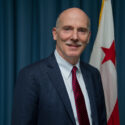
Councilmember Phil Mendelson
Sponsored bills
Maddy summaryThis resolution declares an emergency to allow the District of Columbia Council to pass the Fiscal Year 2027 Budget Support Act after a single reading. The measure is designed to ensure time-sensitive provisions of the budget support act are in place before October 1, 2026, enabling government agencies to prepare for implementation. By adopting the legislation through this expedited process, the bill facilitates the timely execution of the district's upcoming fiscal year budget.
Maddy summaryThis bill expands the District of Columbia Health Professional Loan Repayment Program to include certified addiction counselors, allowing them to receive loan repayment assistance similar to other eligible health professionals. It also updates the program's financial limits, setting the maximum total repayment at $90,000 for full-time participants and $45,000 for part-time participants in general roles, while higher amounts apply to specific medical specialties. Additionally, the legislation shifts the schedule for annual loan repayments from a fixed statutory rule to a flexible regulatory schedule managed by the Department of Health. These changes aim to help recruit and retain healthcare workers, including addiction counselors, in underserved areas of the District by reducing their student debt burden.
Maddy summaryThis bill declares an emergency to allow the District of Columbia Department of Health to adjust the Health Professional Loan Repayment Program due to a lack of funding. It specifically adds certified addiction counselors to the list of eligible health professionals and grants the Department authority to modify repayment amounts and allocation procedures based on available federal funds. The legislation aims to prevent the program from running out of money, which would otherwise force cuts to other healthcare services in underserved areas or reduce the number of participating providers. By removing mandatory minimum repayment requirements, the bill ensures the Department can continue recruiting and retaining providers without creating unfunded financial obligations.
Maddy summaryThis bill expands the District of Columbia Health Professional Loan Repayment Program to include certified addiction counselors, allowing them to receive loan repayment assistance similar to other eligible medical professionals. It also updates the maximum repayment amounts for various health roles, such as increasing the cap for other health professionals to $90,000 and adjusting limits for physicians and dentists based on whether they work full-time or part-time. Additionally, the legislation clarifies that these maximum amounts are not mandatory and gives the Department of Health flexibility to adjust repayment schedules and allocation procedures according to available funding. These changes aim to help recruit and retain healthcare workers in underserved areas of the District while ensuring the program can meet its contractual obligations.
Maddy summaryThis bill amends the Language Access Act of 2004 to grant the Mayor of the District of Columbia the authority to create specific rules that enforce the law's requirements for language access. By adding a new provision to the existing statute, the legislation allows the Mayor's office to issue regulations that clarify how government agencies must provide services and documents in languages other than English. The changes apply retroactively to the date the original Language Access Act took effect and will become official after the Mayor signs the bill and a thirty-day congressional review period concludes.
Maddy summaryThis bill temporarily delays real property tax sales in Washington, D.C., by cancelling a sale scheduled for July 15, 2026, and prohibiting any future sales until at least September 20, 2026. It directly affects property owners who received notices of tax delinquency, requiring the Chief Financial Officer to mail them official notice of the cancellation. The law takes effect on July 1, 2026, and includes a provision that it will automatically expire 225 days after becoming active.
Maddy summaryThis resolution declares an emergency to delay a scheduled real property tax sale in the District of Columbia from July 15, 2026, to no earlier than September 20, 2026. The measure directly affects property owners whose homes are subject to the sale and aims to provide more time for the Council to review legal issues raised by recent Supreme Court decisions regarding tax sale processes. It requires that notice of the cancellation be mailed to affected owners and mandates that no other tax sales occur until the new earliest date. The text also calls for future legislation to modernize the tax sale system and improve equity protections for residents.
Maddy summaryThis bill temporarily delays the scheduled real property tax sale in Washington, D.C., from July 15, 2026, to no earlier than September 20, 2026. It directly affects property owners who received notices of tax delinquency by requiring the Chief Financial Officer to mail them official notice of the cancellation. The law takes effect on July 1, 2026, and remains in force for up to 90 days following approval by the Mayor or the Council.