

Maddy summarySRES 507 designates November 20, 2025, as "National Rural Health Day," continuing an annual observance established in 2011. The resolution recognizes rural health care providers and the communities they serve, acknowledging challenges like hospital closures and access barriers in rural areas. It does not create new policies or funding but formally designates a date for public recognition. This procedural resolution was introduced by multiple senators and passed unanimously.
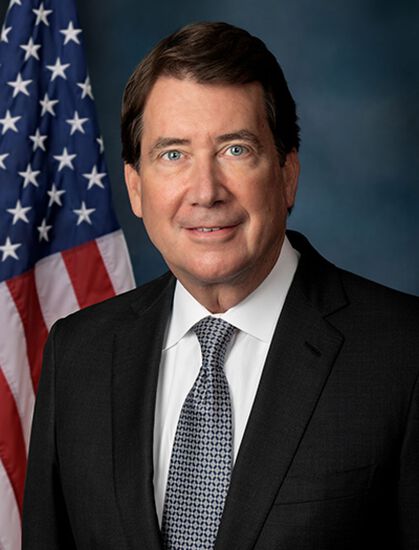
Sen. Bill Hagerty
Sponsored bills
Maddy summarySRES 505 is a symbolic Senate resolution recognizing the Memphis Safe Task Force's reported achievements. It cites the task force's alleged results - including nearly 3,000 arrests, 450 seized firearms, and 100 missing children found - as justification for commending President Trump's leadership. The resolution does not create new policy or funding but formally acknowledges these outcomes as part of a broader effort to reduce violent crime in Memphis. It describes the task force as a joint federal-local initiative established under a 2025 presidential memorandum.
Maddy summaryS 3209, the NOPAIN for Veterans Act, requires the Department of Veterans Affairs (VA) to include non-opioid pain medications in its national formulary for veterans. The bill defines "non-opioid pain management drugs" as FDA-approved treatments for acute pain that don't use opioid receptors. The VA must add these drugs within one year of FDA approval or eligibility for payment under federal health programs, whichever comes first. This policy change directly affects veterans receiving VA pain management care by expanding access to non-opioid options, while prohibiting use of the Cost of War Toxic Exposures Fund to implement this provision.
Maddy summaryThis bill, S 3177 (Citizen Ballot Protection Act), would require states to add a citizenship verification step to voter registration forms. It amends the National Voter Registration Act to allow states to mandate proof of U.S. citizenship when registering to vote, specifically after federal elections. The change directly affects voters registering in states that choose to implement this requirement. The bill also updates the law to replace references to the Federal Election Commission with the Election Assistance Commission.
Maddy summaryThis bill (S 3179, the "Halo Act") makes it a federal crime to approach within 25 feet of a Federal immigration enforcement officer after being verbally warned not to, if the person intends to impede the officer's work, threaten them with physical harm, or harass them. The law defines "harass" as causing substantial emotional distress with no legitimate purpose and specifies that the warning must be given by the officer. Violators face fines, up to 5 years in prison, or both. It directly affects individuals who interfere with immigration enforcement activities, not the officers themselves.
Maddy summaryThis bill allows federal prosecutors to directly charge juveniles aged 16 or older with specific violent crimes in federal court, bypassing the usual process requiring the Attorney General to file a transfer motion. It directly affects juveniles aged 16+ accused of five serious offenses: murder, aggravated assault, motor vehicle theft, armed robbery, or aggravated sexual assault involving a firearm. The key mechanism removes the mandatory transfer step for these cases, enabling immediate federal prosecution. The bill targets only the most severe crimes listed under federal law, not all juvenile offenses.
Maddy summaryS 3129, the Preventing Foreign Interference in American Elections Act, expands restrictions on foreign contributions to U.S. elections by banning foreign entities from funding specific voter engagement activities like voter registration, ballot collection, and get-out-the-vote efforts. It directly affects foreign individuals, organizations, and political committees that might fund such activities, while clarifying that state/local ballot initiatives and referendums are covered under election definitions. Key mechanisms include prohibiting "indirect contributions" (where funds are routed through intermediaries) and requiring certifications under penalty of perjury to confirm compliance with the ban. The bill also adds enforcement provisions to limit investigations to necessary facts and strengthens penalties for violating donor privacy rules for tax-exempt organizations. These changes aim to close loopholes that could allow foreign interference in election processes.
Maddy summarySRES 482 is a ceremonial Senate resolution recognizing November 3-7, 2025, as "National Veterans Small Business Week." It does not create new laws or policies but formally acknowledges veteran-owned small businesses, which employ nearly 3.3 million people and generate over $952 billion in annual sales. The resolution expresses support for these businesses and appreciation for veterans' entrepreneurship, while highlighting the Senate Committee on Small Business and Entrepreneurship’s annual observance of this week. It has no direct impact on regulations, funding, or veteran business operations.
Maddy summaryThis bill establishes a U.S. government task force to prepare sanctions against Chinese entities if the People's Republic of China (PRC) takes actions threatening Taiwan's sovereignty, such as military aggression, territorial occupation, or cyberattacks. The PRC Sanctions Task Force, to be created within 180 days of enactment, will identify potential targets, assess existing and needed sanctions authorities, and coordinate with allies to minimize economic impacts on the U.S. and partners. It requires annual classified reports to Congress detailing target entities, potential economic effects, and strategies for imposing sanctions. The bill directly affects U.S. agencies (State, Treasury, Commerce) and could impact PRC entities supporting actions against Taiwan, but it does not authorize sanctions itself - only prepares the framework for potential future action.
Maddy summarySRES 467 is a Senate resolution designating October 30, 2025, as a national day of remembrance for workers in the U.S. nuclear weapons program, including uranium miners, millers, haulers, plutonium processors, and those who participated in atmospheric nuclear tests. It formally recognizes these workers' contributions and sacrifices, building on previous Senate resolutions from 2009 to 2024 that honored similar service. The resolution encourages public participation in commemorative activities on that date but does not create new benefits or policies. As a symbolic gesture, it focuses solely on recognition, not legislative action.