

Maddy summaryThe Prison Libraries Act of 2026 directs the Attorney General to create a grant program for states and territories to improve library services for incarcerated individuals, aiming to support reintegration and reduce recidivism. To receive funding, applicants must submit a detailed plan that includes proof of an existing or planned physical library and data demonstrating a need for the services. The grants can be used for a wide range of activities such as hiring qualified librarians, providing digital and financial literacy training, offering art and cultural programs, and establishing partnerships with local public libraries. The legislation explicitly prohibits using the funds for general prison operations, staff salaries unrelated to libraries, or basic needs like food and healthcare. Additionally, the act authorizes $10 million annually from 2026 to 2031 and requires that no fees be charged to inmates for accessing books, computers, or educational materials.
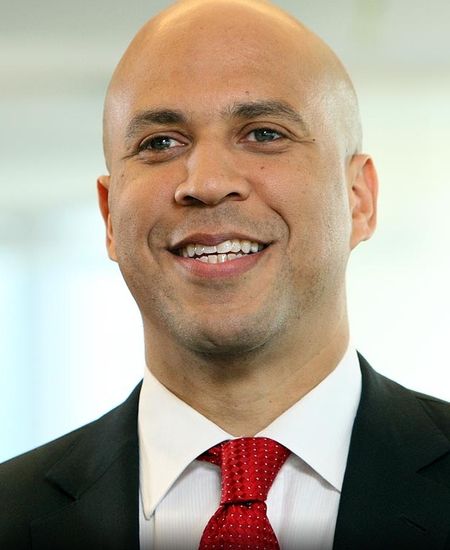
Sen. Cory A. Booker
Sponsored bills
Maddy summaryThe Rehabilitation Through Reading Act of 2026 requires the Bureau of Prisons to create a Publication Review Committee to oversee which books are available in federal prisons. This committee, composed of librarians, incarcerated individuals, legal experts, and the federal prison ombudsman, must approve any decision to ban a book after reviewing the specific reasons provided by prison officials. The law explicitly forbids banning books simply because their viewpoints are unpopular or disagreeable, and it mandates that books remain accessible while appeals against their removal are being reviewed. Additionally, the Act requires the Bureau of Prisons to submit annual reports to Congress detailing every book that was prohibited and the outcomes of any related appeals.
Maddy summaryThis Senate resolution (SRES 670) expresses support for the goals of the 2026 Day of Silence, an event designed to highlight anti-LGBTQI+ bullying, harassment, and discrimination faced by individuals in K-12 schools. It focuses on improving the educational environment for all students, particularly LGBTQI+ young people, by drawing attention to issues like unequal educational opportunity and a lack of civil rights protections. The resolution encourages states, cities, and local school districts to adopt laws and policies that explicitly prohibit bullying and discrimination against students, teachers, and other school staff based on their sexual orientation, gender identity, or sex characteristics.
Maddy summaryThe Stop CHEATERS Act directs the Internal Revenue Service to increase its enforcement efforts against high-income individuals and large corporations while also expanding taxpayer support services. To achieve this, the bill appropriates billions of dollars over several years to fund IRS investigations, hire additional staff, purchase vehicles, and modernize outdated technology systems. Additionally, the legislation requires the IRS Commissioner to submit regular reports to Congress detailing plans to shift auditing resources toward wealthy taxpayers and analyzing collection gaps across different income levels.
Maddy summaryThis bill, titled the "Keep Public Funds in Public Schools Act," repeals two sections of the Internal Revenue Code. It eliminates Section 25F, which provides a tax credit for contributions made to scholarship granting organizations. Additionally, the bill repeals Section 139K, which allows certain educational assistance to be excluded from an individual's gross income. These changes primarily affect taxpayers who currently claim these credits or exclusions, and organizations involved in scholarship grants or providing educational assistance. The amendments generally take effect for taxable years ending after December 31, 2026.
Maddy summaryThis joint resolution directs the President to remove U.S. military forces from ongoing hostilities against Iran that lack congressional authorization, specifically referencing the Operation Epic Fury campaign launched on February 28, 2026. It requires the withdrawal of troops unless Congress has declared war or passed a specific law authorizing military action against Iran. The resolution includes exceptions allowing U.S. forces to defend against attacks on American personnel, conduct intelligence activities related to Iran, assist allied nations under Iranian attack, and evacuate U.S. citizens. It does not alter current military operations involving defense, intelligence sharing, or aid to partners.
Maddy summaryThe Senior Hunger Prevention Act of 2026 aims to improve food access for older adults, adults with disabilities, and kinship families by expanding and streamlining several federal nutrition programs. The bill extends SNAP certification periods, creates a standard medical expense deduction, and establishes simplified application processes for eligible seniors and individuals with disabilities. It also funds a new program to reimburse retail food stores for delivering groceries to these vulnerable populations and provides grants for outreach and application assistance. Additionally, the Act expands eligibility and increases funding for the Commodity Supplemental Food Program and the Seniors Farmers' Market Nutrition Program, including grants for market modernization and infrastructure development to support local food access.
Maddy summaryThe Security And Freedom Enhancement Act of 2026, known as the SAFE Act, introduces new rules for how U.S. intelligence agencies collect and use information about Americans and people in the United States. The bill requires the FBI to conduct regular audits of its data queries, obtain additional approvals before searching for information about elected officials and judges, and create detailed records of all searches. It also limits when government agencies can access Americans' communications without a warrant and restricts intelligence agencies from purchasing personal data from private companies about people in the United States. The law increases transparency by requiring more detailed reports to Congress and the public about surveillance activities, and it expands the role of independent reviewers in court proceedings related to intelligence gathering.
Maddy summaryThis joint resolution directs the President to remove U.S. military forces from ongoing hostilities against Iran that were not authorized by Congress. The bill specifically targets Operation Epic Fury, launched in February 2026, which involved air and missile strikes inside Iran without prior congressional approval or consultation. While ordering troop withdrawal, the resolution allows the United States to continue defending itself and its allies from Iranian attacks, gather intelligence on Iranian threats, and provide defensive support to partner nations like Israel. The measure is based on Congress's constitutional authority to declare war and the War Powers Resolution, which requires congressional consultation before introducing armed forces into hostilities.
Maddy summaryThis joint resolution directs the President to remove U.S. Armed Forces from hostilities in Iran that occurred without a formal declaration of war or specific statutory authorization. The bill is based on Congress's constitutional authority to declare war and cites statements from current administration officials who have referred to the conflict as a war. While ordering troop withdrawal, the resolution allows the U.S. to continue defending against attacks, sharing intelligence, assisting allies, and evacuating American citizens. The measure applies expedited legislative procedures and does not prevent future military action if Congress provides explicit authorization.