

Maddy summaryThe Summer for All Act authorizes the Secretary of Health and Human Services to provide competitive grants to organizations and state agencies for creating affordable, high-quality summer programs for youth aged 5 to 22. These grants prioritize serving low-income, rural, and underserved populations, including English learners, students with disabilities, and those experiencing homelessness, by offering free programming that includes academic enrichment, health activities, and social support. The legislation allocates $4 billion over four years, with the majority of funds designated for direct community programs and a smaller portion for state-level planning to expand access and improve program quality. Recipients must use the funds to provide safe, supervised environments during the summer months and are required to submit annual reports detailing how the money was spent and how many youth were served.
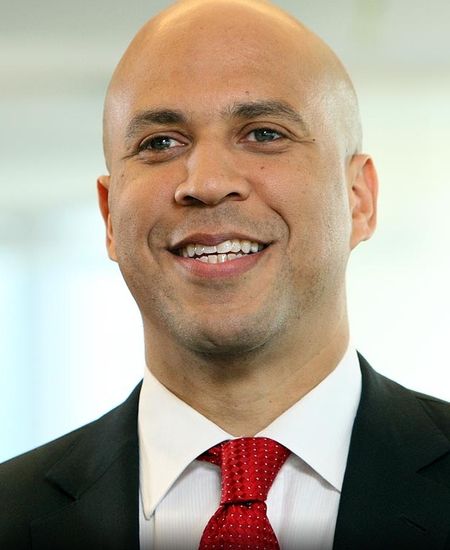
Sen. Cory A. Booker
Sponsored bills
Maddy summaryThis Senate resolution expresses support for designating June 19, 2026, as World Sickle Cell Awareness Day to raise public knowledge about sickle cell disease. The bill does not create new laws or funding but instead encourages the government and the public to hold events and promote awareness of the condition's impact on patients worldwide. It specifically calls on federal agencies to work together to ensure equitable access to new treatments and newborn screening programs for affected communities. Additionally, the resolution urges the formation of an interagency group to address barriers in healthcare systems and reduce biases faced by populations most affected by sickle cell disease.
Maddy summaryThis Senate resolution honors the significant contributions of Black people to American musical history and formally designates June 2026 as Black Music Month. The bill highlights the diverse genres created by Black artists, from spirituals and jazz to hip-hop and rock, while acknowledging the obstacles these pioneers overcame to gain recognition. Additionally, the resolution addresses disparities in music education by noting that Black and low-income students often have less access to culturally relevant programs and lower participation rates in school music activities. By recognizing these achievements and educational gaps, the Senate aims to encourage greater inclusion and support for music education among Black students.
Maddy summaryThis bill, the District of Columbia Courts Judicial Vacancy Reduction Act, changes how judges are appointed to D.C. courts by requiring the President to appoint judges directly from a list provided by the Judicial Nomination Commission, removing the need for Senate confirmation. It also grants Congress the power to block these appointments by passing a joint resolution of disapproval within 30 days of the appointment notice being sent to congressional leaders. The legislation applies to all future judge appointments and includes specific rules for handling candidates who were already nominated before the bill becomes law.
Maddy summaryThe Stop Spying Bosses Act establishes new federal rules to limit how employers collect, use, and share employee data, primarily affecting businesses with at least 11 workers and their employees. It prohibits employers from gathering sensitive information such as biometric scans, off-duty activities, or political views unless the data is strictly necessary for specific job functions like ensuring safety or administering benefits. The law requires employers to clearly disclose what data they collect and how it influences decisions about hiring, firing, or promotions, while also granting workers the right to access and correct their own records. To enforce these standards, the bill creates a new Worker Protection and Technology Division within the Department of Labor, which will investigate violations and provide whistleblower protections against retaliation. Additionally, the legislation invalidates pre-dispute arbitration agreements that would stop workers from joining class-action lawsuits regarding privacy violations.
Maddy summaryThis Senate resolution reaffirms the importance of the United States protecting refugees and displaced persons globally and within the country. It highlights specific statistics on displacement crises and criticizes current administration actions, such as an indefinite suspension of refugee admissions and cuts to foreign aid. The bill calls on government officials to restore the Refugee Admissions Program, lift bans on entry, and provide humanitarian support to vulnerable populations. While it does not change existing laws, it serves as a formal statement of support for refugee rights and urges the executive branch to resume resettlement efforts.
Maddy summaryThis bill directs the Secretary of Homeland Security to grant Temporary Protected Status to nationals of Haiti. Under this provision, eligible Haitian immigrants would be allowed to live and work in the United States without fear of deportation until March 20, 2029. The legislation overrides other existing laws to ensure this designation remains in effect for the specified period.
Maddy summaryThe Duty Status Reform Act reorganizes federal laws to consolidate how reserve military members are ordered to active duty, creating a unified framework that applies to the Army, Navy, Air Force, Coast Guard, National Guard, and Space Force. The bill establishes four distinct categories of duty - ranging from mandatory training and remote assignments to emergency mobilization - and aligns the benefits, pay, and survivor protections for National Guard members with those of other reserve components. It also updates the legal definition of a "contingency operation" to include these new reserve duty categories and repeals older, overlapping statutes to streamline the system. Notably, the legislation includes a transition provision that delays the law's effective date by ten years, allowing time for agencies to prepare for implementation.
Maddy summaryThe Land of the Free Act of 2026 amends federal immigration law to remove a specific ground for deportation related to protected speech activities. By striking a particular subsection of the Immigration and Nationality Act, the bill aims to prevent individuals from being deported solely for engaging in constitutionally protected expression. This change directly affects immigrants who might otherwise face removal proceedings based on their speech. The legislation does not alter other deportation criteria or create new categories of removable offenses.
Maddy summaryThis bill abolishes the Anti-Weaponization Fund, a financial reserve created by the Attorney General during the Trump v. Internal Revenue Service legal case. It also declares an order issued on May 19, 2026, regarding the release of certain claims as invalid and without effect. The legislation directly impacts the Department of Justice by removing this specific fund and reversing the associated administrative directive.