

Maddy summaryThe SABER Act of 2026 expands the permissible uses of the Ukraine Support Fund to allow the Ukrainian government to purchase defense articles and services specifically for responding to and recovering from Russian aggression. This legislative change directly affects the administration of U.S. foreign aid by modifying existing statutes to include these new categories of spending. The bill removes previous restrictions that limited the fund's use, thereby providing Ukraine with greater flexibility to address the consequences of the ongoing conflict.
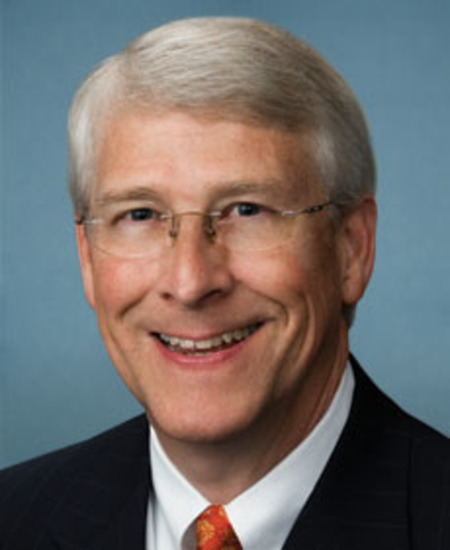
Sen. Roger F. Wicker
Sponsored bills
Maddy summaryThe ORBITS Act of 2025 directs the U.S. government to address orbital debris (human-made space junk) by requiring the Commerce Department to publish a public list of high-risk debris within 90 days of enactment. It authorizes $150 million for NASA to establish a demonstration project, partnering with commercial companies, universities, or nonprofits to develop technologies for actively removing debris from orbit. The bill also mandates updates to national debris mitigation standards and space traffic coordination practices, with requirements for annual reports to Congress on progress. These provisions primarily affect NASA, the Commerce Department, and commercial space operators involved in debris remediation efforts.
Maddy summaryThe Save Our Shrimpers Act directs the U.S. Treasury to instruct American representatives at international financial institutions to vote against funding projects related to shrimp farming, processing, or export in borrowing countries. This restriction includes a waiver provision that allows the Treasury Secretary to override the vote if they determine the project serves the national interest, with the requirement to notify Congress. The mandate to oppose such financial assistance is set to expire seven years after the bill is enacted.
Maddy summaryThe America the Beautiful Act reauthorizes the National Parks and Public Land Legacy Restoration Fund through 2033, increasing its annual funding from $1.9 billion to $2 billion. It requires that projects funded by the Legacy Restoration Fund must secure at least 15% of their costs from public donations, which will be solicited through public awareness campaigns, donation locations at recreation sites, and during the purchase of recreation passes. The bill also mandates new reporting requirements for deferred maintenance and disposal of assets no longer serving public interest, while ensuring donations are credited to the Fund and allocated to specific projects.
Maddy summaryThis bill requires states to develop and annually update "family partnership plans" to improve recruitment and retention of foster and adoptive families. The plans must include specific data on foster family demographics, unutilized capacity, barriers to recruitment (especially racial/ethnic matching), and input from foster parents and youth. States must report this data to Congress annually, detailing challenges like why families stop fostering or adoptions fail. The law directly affects all states administering foster care programs under federal guidelines. It mandates concrete data collection and reporting to address gaps in family recruitment and placement stability.
Maddy summaryThe Community College Agriculture Advancement Act of 2026 creates a new funding program to support junior and community colleges in expanding their agriculture and natural resources programs. The bill authorizes $20 million annually from 2027 to 2031 for competitive grants that colleges can use to improve workforce training, education, research, and outreach. Eligible institutions may use these funds to purchase equipment, hire faculty, develop apprenticeships, and offer courses in farm business management. The legislation also allows colleges to apply for a special designation as a center of excellence to demonstrate best practices and provide regional leadership.
Maddy summaryThis bill updates federal regulations to strengthen protections against illegal fishing by targeting vessels flagged under nations that fail to verify a genuine connection to their owners. It requires the Secretary of Commerce to revise the legal definition of illegal fishing to align with specific standards from the Maritime SAFE Act within 90 days of enactment. Additionally, the law mandates that countries allowing vessels without a verified link between the nation and the vessel's beneficial owners be held accountable for not fulfilling their flag state responsibilities. These changes aim to ensure that foreign-flagged vessels operating in U.S. waters are subject to stricter oversight and enforcement measures.
North Platte Canteen Congressional Gold Medal Act This bill provides for the award of a Congressional Gold Medal to recognize the individuals and communities that provided financial and other support for the North Platte Canteen in North Platte, Nebraska, during World War II.
Maddy summaryThis Senate resolution honors the life and legacy of Donald W. Riegle, Jr., a former U.S. Senator from Michigan who passed away in April 2026. The bill formally acknowledges his nearly three decades of public service, including his roles as a Representative and Senator, and highlights his significant contributions to legislation on banking, housing, and veterans' health. It also expresses the Senate's condolences to his family and directs officials to share the resolution with the House of Representatives and send a copy to Riegle's family. Finally, the Senate will stand in adjournment as a mark of respect for the former senator when the session concludes.
Maddy summaryThe PLAN for Broadband Act requires federal agencies to create a coordinated strategy to streamline broadband programs across government, aiming to eliminate duplication and improve efficiency in deploying high-speed internet. It mandates the Assistant Secretary of Commerce to develop a National Strategy within one year of enactment, followed by an Implementation Plan within 120 days, that identifies gaps in current programs and establishes common goals for agencies like the FCC, USDA, and Department of Transportation. The strategy must use the Deployment Locations Map to track broadband coverage, prevent funding for already-served areas, and establish common data standards for reporting on broadband projects. The bill also sets a $5 million minimum project cost threshold for certain broadband infrastructure and requires agencies to track processing times for applications to reduce delays.