

Maddy summaryThis Senate resolution formally recognizes May as Asian American, Native Hawaiian, and Pacific Islander Heritage Month to honor the contributions of these communities to United States history. The document highlights the diversity of the population, cites historical milestones such as the completion of the transcontinental railroad and the passage of immigration laws, and acknowledges specific achievements of individuals like Daniel K. Inouye and Patsy Mink. It also notes the ongoing challenges faced by these groups, including a rise in hate crimes, while celebrating their growing presence in government and society. Ultimately, the bill serves as a symbolic statement of appreciation rather than establishing new legal requirements or funding.
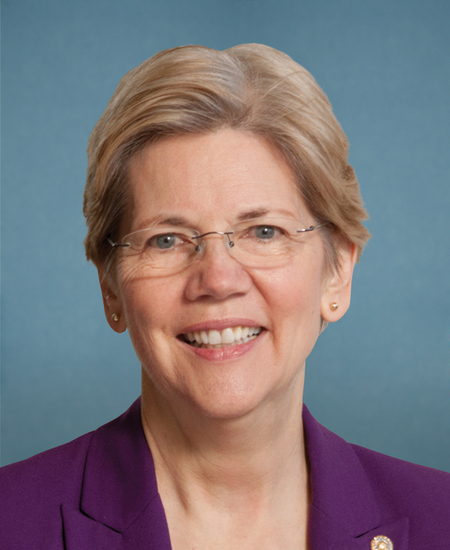
Sen. Elizabeth Warren
Sponsored bills
Maddy summaryThis resolution designates May 10, 2026, as National Asian American, Native Hawaiian, and Pacific Islander Mental Health Day to highlight the unique mental health challenges faced by these communities. It aims to raise awareness about issues such as high healthcare costs, low service utilization rates, and the impact of historical trauma on mental well-being. The measure encourages federal, state, and local health agencies to develop policies that improve access to culturally and linguistically appropriate care. By linking this observance with National Mental Health Awareness Month, the bill seeks to reduce stigma and promote better health outcomes through increased support and resources.
Maddy summaryThis Senate resolution formally supports the goals and ideals of National Nurses Week, which is observed annually from May 6 to May 12, 2026. The measure recognizes the vital contributions of nurses to the healthcare system and encourages the public to acknowledge their role through ceremonies and activities during the designated week. While the bill does not create new laws or funding, it serves to honor the profession and highlight the importance of nursing in patient care and public health.
Maddy summaryThe AI OVERWATCH Act establishes new export controls on advanced integrated circuits destined for specific countries of concern, including China, Russia, Iran, North Korea, and Cuba. It requires companies to obtain a specific license for each export of high-performance chips, prohibiting the use of general licenses and mandating detailed certifications to Congress regarding national security and defense impacts. The bill defines these restricted chips by their technical processing power and creates a "trusted United States person" program that allows certain domestic entities to bypass licensing requirements if they meet strict security and ownership standards. Additionally, the legislation requires the government to develop an "American Artificial Intelligence Victory Strategy" outlining how to maintain U.S. leadership in AI against foreign competitors.
Firearm Safety Act of 2026 This bill allows the Consumer Product Safety Commission (CPSC) to issue safety standards for firearms and firearm components. Under current law, firearms, shells, cartridges, and components thereof are excluded from the CPSC's rulemaking authority.
Maddy summarySJRES 112 is a joint resolution seeking congressional disapproval of a Department of Commerce rule that would have suspended for one year the expansion of export controls on affiliates of certain entities already subject to U.S. restrictions. The rule, published in November 2025, aimed to delay stricter requirements for companies linked to designated entities under national security export regulations. If passed, this resolution would nullify the rule, requiring the expanded controls to take effect immediately instead of being paused. This directly affects businesses operating as affiliates of entities listed in U.S. export control programs.
Maddy summaryThis Senate resolution formally recognizes the week of May 3 through May 9, 2026, as National Small Business Week to honor the contributions of small business owners and entrepreneurs across the United States. The measure expresses appreciation for the economic role these businesses play and acknowledges the resilience of their owners and employees. By adopting this designation, the Senate aims to celebrate the entrepreneurial spirit within every community without imposing any new laws or regulations.
Maddy summaryThis Senate resolution expresses support for designating April 2026 as "Fair Chance Jobs Month" to raise awareness about employment barriers faced by formerly incarcerated individuals. While the bill itself does not change laws, it encourages the removal of obstacles like licensing restrictions and promotes fair-chance hiring practices. The resolution also calls for expanded workforce development programs, better access to housing and healthcare, and increased collaboration between government agencies and community groups to help returning citizens secure stable employment.
Maddy summaryThis bill, known as the Protecting Human Rights and Public Health in Foreign Assistance Act, directs federal agencies to ignore three specific final rules issued by the Department of State. It explicitly prohibits any government department from implementing, enforcing, or creating new policies similar to these existing rules, effectively treating them as if they never existed. The targeted regulations concern protecting life, combating discriminatory equity ideology, and addressing gender ideology within foreign aid programs. By nullifying these rules, the legislation removes the current administrative requirements related to these topics from U.S. foreign assistance activities.
Maddy summaryThe CLEAN Mergers Act strengthens antitrust enforcement by requiring companies involved in mergers worth at least $10 billion to divest assets or keep them separate while regulators review the deal. It also allows agencies to retroactively investigate and force divestitures of smaller mergers if they were approved despite internal objections, evidence of corruption, or misleading information. To support these measures, the bill mandates strict record-keeping for all parties and extends the time limit for filing antitrust lawsuits from four to ten years.