

Enhanced Iran Sanctions Act of 2025 This bill imposes sanctions on certain foreign persons (individuals and entities) that are involved in Iran's petroleum sector as well as certain associated persons. The bill also requires or authorizes actions to facilitate the enforcement of sanctions on Iran. Specifically, the bill requires the President to impose visa- and property-blocking sanctions on any foreign person that, after the bill's enactment, knowingly engages in any transaction related to the processing, export, or sale of oil, condensates, gas, liquefied natural gas, or other petrochemical products in whole or in part from Iran. The President must also impose sanctions on certain foreign persons associated with a sanctioned individual or entity. For example, the President must sanction the subsidiaries and corporate officers of a sanctioned business. The bill provides certain exceptions to these sanctions, including specifying that sanctions do not apply to the importation of goods or to conducting or facilitating transactions for humanitarian assistance. The Department of State must establish an interagency working group that shall seek to establish a multilateral contact group to coordinate international efforts to enforce sanctions on Iran. The bill expands the State Department rewards program to authorize a reward payment to any individual who furnishes information leading to the identification of a person (1) subject to sanctions under this bill, or (2) that has attempted or is attempting to evade sanctions under this bill.
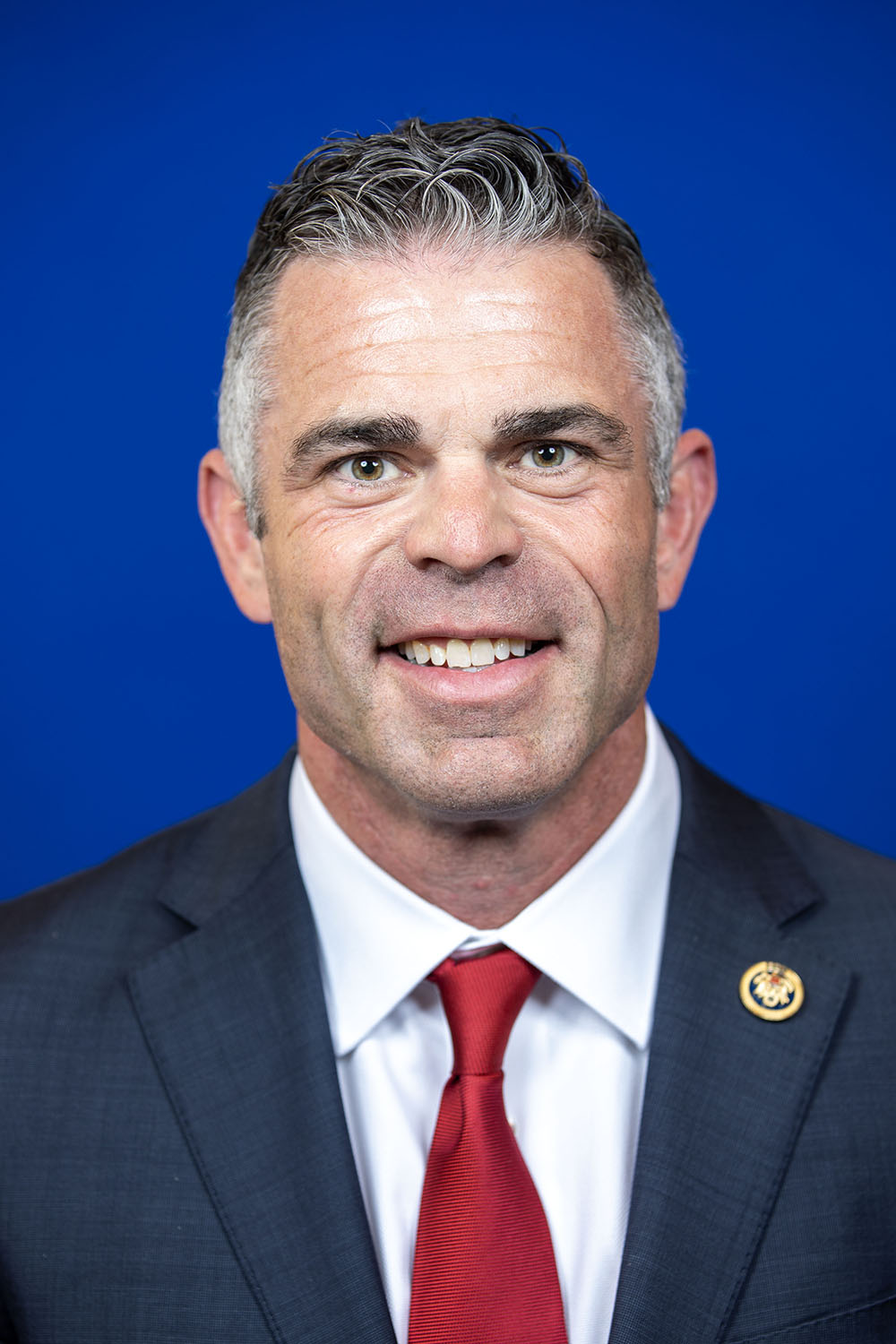
Rep. Tony Wied
Sponsored bills
Maddy summaryThis bill, known as the SAFE Pathways Act, requires federal agencies to consider invasive species when designing fishways for dams and other water structures. It directly affects the Secretaries of Commerce and the Interior, who would need to consult with state officials to address potential invasive species threats during fishway planning. The law mandates that these federal officials evaluate how invasive species could impact aquatic ecosystems before approving fishway designs. This change aims to integrate invasive species prevention into existing water management infrastructure projects.
Maddy summaryThis bill, known as the No Tax on Drill Pay Act, would exclude certain military compensation from federal income tax. It directly affects members of the U.S. military who receive pay for inactive-duty training, which includes weekend drills and other training activities outside of regular duty. The legislation amends the Internal Revenue Code to add inactive-duty training compensation to the list of qualified military benefits that are not subject to taxation. This change applies to any compensation received after the bill becomes law, meaning it would affect future training pay rather than past earnings.
Maddy summaryThis bill removes the income limit that currently applies to prize money and medals won at the Olympic and Paralympic Games. Under current law, athletes can exclude up to $200,000 of such winnings from their taxable income, but this bill would eliminate that cap entirely. The change would affect all athletes who compete in these international events and receive medals or prize money from the United States Olympic Committee. The new rules would apply to any awards received after December 31, 2025.
Maddy summaryThis bill, titled the Securing Our Streets Act of 2026, directs the Attorney General to distribute federal grants to states that implement specific criminal justice policies aimed at reducing repeat offenses. To qualify for funding, states must adopt laws requiring repeat offenders to serve at least 85 percent of their sentences, mandate pretrial detention for violent offenders posing a clear threat to public safety, and impose life imprisonment for individuals convicted of three distinct violent crimes. The grants, totaling up to $10 billion over five years, can only be used to build secure correctional facilities, expand incarceration capacity for violent offenders, and train correctional staff.
Maddy summaryThis bill requires the Federal Aviation Administration (FAA) to improve transparency and efficiency in certifying new aircraft and technologies. Specifically, it mandates the FAA to publish a public plan for streamlining the type certification process, establish standard timelines for key milestones (like safety reviews), and create clearer criteria for when technical questions arise. The changes directly affect aircraft manufacturers - especially those developing advanced air mobility vehicles like air taxis - and FAA staff managing certifications. By setting predictable timelines and reducing recurring paperwork, the bill aims to accelerate innovation while maintaining safety standards.
Maddy summaryThe Pay Less at the Pump Act of 2026 ends a fee on certain chemicals that funded the Superfund program for hazardous waste cleanup after December 31, 2025. Starting January 1, 2026, companies subject to this fee will no longer be required to pay it. The bill also changes repayment rules for Superfund advances, requiring quarterly payments from unobligated funds until advances are fully repaid. This directly affects businesses that paid the Superfund fee, which applied to manufacturers and handlers of specific chemicals.
Maddy summaryThis bill renames "Apostle Islands National Lakeshore" as "Apostle Islands National Park and Preserve," creating two distinct areas within the same unit. The Park (with stricter rules) prohibits hunting/trapping except under tribal agreements, while the Preserve maintains existing hunting, fishing, and trapping rules from before the bill. Boundaries are defined by a specific map, and the National Park Service must add interpretive signage about regional history and tribal connections at visitor centers. Tribal treaty rights to hunt, fish, and gather remain fully protected under this law.
Maddy summaryThe LASSO Act requires 10% of annual revenue generated from public lands managed by the Interior Department and Agriculture Department (including national forests and Outer Continental Shelf areas) to be deposited into the Social Security Trust Fund. This directly affects the Social Security Trust Fund by increasing its funding, while ensuring no fee hikes for public land activities or reductions in funds for states, tribes, or local governments. The bill mandates this transfer annually without altering existing revenue-sharing agreements or pricing structures. It aims to bolster Social Security finances through a specific, measurable mechanism tied to federal land management.
Maddy summaryThis bill prevents state or local governments from banning or restricting energy connections (like installation, modification, or access) based on the type or source of energy, such as electricity, natural gas, or renewable fuels. It directly affects consumers choosing energy providers and energy companies seeking to offer services. The key provision prohibits local laws, regulations, or policies that limit energy services sold in interstate commerce, covering all energy types listed in the bill’s definitions. It does not create new programs but limits regulatory authority at the state or local level. The law aims to ensure open access to diverse energy sources without source-based restrictions.