

Love Lives On Act of 2025 This bill extends entitlement for various benefit programs and services for surviving spouses of deceased members of the Armed Forces or veterans. The bill provides that the remarriage of a surviving spouse must not bar the furnishing of dependency and indemnity compensation or special pension benefits to such spouse. Additionally, the Department of Defense may not terminate the payment of an annuity for a surviving spouse under the Survivor Benefit Plan solely because the surviving spouse remarries. The bill also expands the definition of a dependent under TRICARE to include a remarried widow or widower whose subsequent marriage has ended due to death, divorce, or annulment.
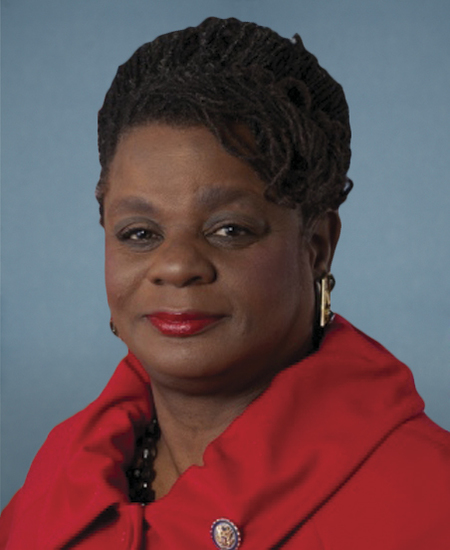
Rep. Gwen Moore
Sponsored bills
Maddy summaryThe Kira Johnson Act establishes a federal grant program to support community-based organizations in improving maternal health outcomes for populations facing higher rates of maternal mortality and health disparities. It allocates $100 million annually from 2027 to 2031 for grants that fund programs addressing social determinants of health, culturally congruent care, and support for midwifery practices. The bill also creates a separate $5 million annual funding stream for training all maternity care employees on bias reduction, trauma-informed care, and respectful service delivery. Additionally, the legislation requires hospitals and health systems to establish compliance programs that allow patients to report bias and mandates regular public reporting on these efforts. A study by the National Academies and ongoing evaluation by the GAO will assess the effectiveness of these initiatives in improving patient experiences and health outcomes for pregnant and postpartum individuals from racial and ethnic minority groups.
Maddy summaryThe Data to Save Moms Act aims to improve maternal health outcomes by increasing funding and support for maternal mortality review committees across the United States. The bill provides $10 million annually from 2027 to 2031 to help these committees recruit more diverse community members, including people with personal experiences of maternal mortality or severe health complications, and to address barriers like transportation and compensation that prevent participation. It also requires committees to conduct outreach to racial and ethnic minority communities and publicly report on their review processes and diversity efforts. Additionally, the legislation directs the Health and Human Services Secretary to study maternal health data collection methods, conduct a specific study on American Indian and Alaska Native maternal health outcomes, and award grants to minority-serving institutions for research on maternal mortality disparities.
Maddy summaryThe Perinatal Workforce Act directs the Department of Health and Human Services to issue guidance encouraging hospitals, insurers, and maternity care providers to recruit and retain diverse healthcare professionals, including midwives, physician assistants, and perinatal health workers, while incorporating implicit bias and racism training into their practices. The bill authorizes $15 million annually from 2027 to 2031 for grants that establish or expand accredited education programs for perinatal health professionals, prioritizing schools that recruit students from racial and ethnic minority groups and those planning to practice in areas with maternal health disparities. Additionally, the legislation creates a separate grant program for nursing schools to provide scholarships to students pursuing careers in maternal and perinatal health, with similar diversity and training requirements. The act also requires the Secretary of HHS to conduct a study on respectful maternity care practices and mandates periodic reports from the Government Accountability Office on barriers to maternal health education and access to care.
Extending WIC for New Moms Act This bill amends the Special Supplemental Nutrition Program for Women, Infants, and Children (WIC) to extend the eligibility periods for breastfeeding and postpartum women. Specifically, a state program may elect to certify a breastfeeding woman for up to 24 months (currently 1 year) postpartum. The bill also expands the eligibility period for postpartum women to up to 24 months after termination of pregnancy (currently 6 months). The Department of Agriculture must submit a report to Congress evaluating the effect of these changes to the program on (1) maternal and infant health outcomes, (2) breastfeeding rates, and (3) qualitative evaluations of family experiences under WIC.
Maddy summaryThis bill establishes a federal task force to address maternal health disparities by coordinating efforts across multiple government agencies and community stakeholders to reduce preventable maternal deaths and serious health complications. The task force will include representatives from various departments such as Health and Human Services, Housing and Urban Development, and Transportation, along with community leaders, patients, and healthcare providers focused on maternal health. Additionally, the bill authorizes $100 million over five years to provide grants to community organizations for addressing social determinants of maternal health including housing, transportation, nutrition, employment, and environmental conditions. These grants prioritize areas with high rates of maternal mortality and poverty, and recipients must submit annual reports on their activities and outcomes. The legislation defines key terms such as maternal mortality and social determinants of maternal health to guide implementation and reporting requirements.
Maddy summaryThis bill requires the Department of Veterans Affairs (VA) to cover abortion care, counseling, and related medication as part of standard hospital and medical services for eligible veterans and certain dependents. It amends VA healthcare law to explicitly include these services under existing coverage for veterans qualifying under section 1703 and dependents eligible under section 1781(a). The policy directly affects veterans and their dependents enrolled in VA healthcare programs by expanding covered benefits to include abortion-related care. This is a concrete policy change to VA healthcare benefits, not a broader abortion law.
Maddy summaryThis resolution supports recognizing March 14, 2026, as Black Midwives Day to honor the contributions of Black midwives to maternal and infant health. It highlights the importance of midwifery in addressing maternal health disparities and the maternity care desert crisis affecting millions of women. The resolution calls for federal and state governments to take actions such as increasing funding for midwifery education, removing regulatory barriers, and expanding insurance coverage for midwifely care. It also encourages efforts to decriminalize midwifery practices and promote culturally competent care to improve health outcomes for Black mothers and infants.
Maddy summaryThis bill exempts H-1B visa holders working in healthcare from a presidential restriction that requires a $100,000 payment for entry into the United States. It directly affects foreign medical professionals and healthcare workers who hold H-1B nonimmigrant visas. The legislation removes the additional fee requirement for these workers while limiting any fees that may be charged to the standard amount already established under immigration law. The bill defines healthcare workers using the existing definition from the Affordable Care Act and was introduced in the 119th Congress in March 2026.
Maddy summaryThis bill designates the Chí'chil Biłdagoteel Historic District, a traditional cultural place significant to Western Apache and other Native American tribes, as protected land within the Tonto National Forest. It prohibits mining, toxic waste disposal, pipeline construction, and other development activities on the area to preserve its cultural and natural integrity. The legislation requires the Secretary of Agriculture to maintain the land in its natural condition, consult with affected tribes, and ensure continued access for traditional religious and cultural practices. By withdrawing the land from public land laws and mining rights, the bill prevents future extraction projects that could damage sacred sites, water sources, and ecosystems.