

Maddy summaryThe Fresh Bucks for Fresh Produce Act establishes a five-year pilot program where the Department of Agriculture provides grants to states to offer monthly $60 payments to low-income households for purchasing fresh fruits and vegetables. To qualify, households must earn 80 percent or less of the area median income, though those already receiving SNAP benefits can enroll with minimal paperwork. The funds can only be used at specific retailers like farmers markets and grocery stores to buy fresh produce, and states must use these grants to cover administrative costs and support local community organizations. The bill requires states to prioritize food-insecure areas and ensures geographic diversity by awarding grants to at least one state in each major U.S. region. Additionally, the program mandates a study to collect data on participant outcomes and barriers to access, with final results and recommendations for expansion due within five years.
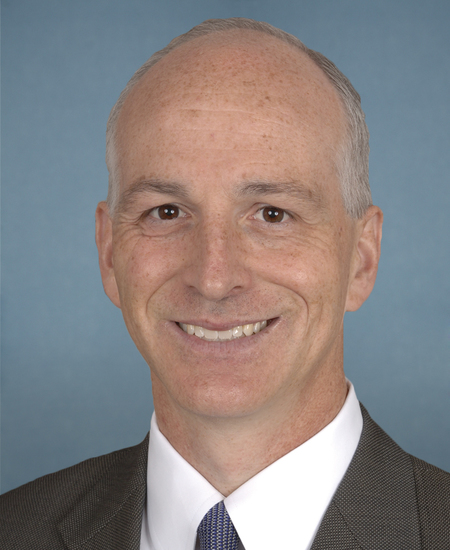
Rep. Adam Smith
Sponsored bills
Maddy summaryThe LIFT the BAR Act aims to restore access to federal benefits for lawfully present noncitizens by repealing several restrictions imposed by the 1996 welfare reform law and a 2024 reconciliation bill. Specifically, it would allow eligible noncitizens to receive SNAP food assistance, Medicaid, CHIP, and child nutrition programs, while also updating legal terminology to refer to "noncitizens" rather than "aliens" in relevant statutes. The legislation includes provisions to ensure these individuals can qualify for premium tax credits and would require federal agencies to issue implementation guidance within 180 days of enactment.
Maddy summaryThe Comprehensive Paid Leave for Federal Employees Act expands paid family and medical leave benefits for federal workers, including those in the Executive Office of the President, the Postal Service, and the District of Columbia courts. Key provisions increase the standard leave entitlement to 12 weeks plus any accrued annual or sick leave, while also extending coverage to include pregnancy loss, fertility issues, and failed adoptions. The bill specifically adds a new category of leave allowing employees to take time off to address the needs of family members who are victims of dating violence, domestic violence, sexual assault, stalking, or sex trafficking. To fund this expanded coverage, the legislation requires employees to agree to work for a period equal to the time taken off, with exceptions made for death or serious health conditions.
Maddy summaryThis bill redesignates the existing National Parks and Public Land Legacy Restoration Fund as the America's Legacy Restoration Fund to address deferred maintenance on federal lands. It directs revenue from recreation fees and a portion of energy development income into the fund, which must be used primarily for repairing critical infrastructure like roads, trails, and buildings managed by agencies such as the National Park Service and the Forest Service. The legislation establishes strict rules requiring that most funds go toward non-transportation projects, mandates transparency through public dashboards tracking project status, and sets aside a small percentage for matching private donations. Additionally, the bill increases entrance fees for foreign visitors to ensure they contribute to the fund, while prohibiting the use of these specific funds for land acquisition or employee bonuses.
Maddy summaryThis bill directs the President to withdraw United States military forces from any hostilities involving Iran. It invokes a specific provision of the War Powers Resolution, allowing Congress to order such a removal. The directive includes an exception, permitting forces to remain if necessary to defend the U.S. or an ally from an imminent attack, but only if the President follows certain reporting procedures and without new explicit congressional authorization for military force against Iran. This action would directly affect the President's authority regarding military deployment and the U.S. Armed Forces currently operating in the region.
Maddy summaryHR 2978, the GUARD Act, allows state, local, and tribal law enforcement agencies to use existing federal grant funds for investigating elder financial fraud, "pig butchering" investment scams, and general financial fraud. The bill directs these funds toward hiring specialized staff, training on blockchain tools and transnational fraud, purchasing investigative software, improving data collection, and creating financial sector liaisons to coordinate with banks. It requires annual reports from law enforcement on fund usage and outcomes, and mandates federal agencies to submit comprehensive reports to Congress on scam statistics, enforcement actions, and funding allocation. The legislation directly affects law enforcement agencies and aims to strengthen efforts against fraud targeting vulnerable populations, particularly elderly individuals.
Maddy summaryThis resolution commemorates the 50th anniversary of women enrolling in the U.S. Military, Naval, Air Force, and Coast Guard Academies. It formally designates a specific day to honor the history and achievements of female cadets and graduates, noting their significant contributions to military leadership and combat roles since 1976. The text highlights specific milestones, such as women earning the Army Ranger tab and commanding aircraft carriers, while acknowledging their continued service in both uniform and civilian sectors. Ultimately, the bill serves as a symbolic gesture to recognize the progress made by women in the armed forces without altering any existing laws or policies.
Maddy summaryThe Latonya Reeves Freedom Act of 2026 strengthens the Americans with Disabilities Act to ensure individuals with long-term service and support needs have a federally protected right to live in their communities rather than institutions. It requires states and insurance providers to offer community-based services that allow people to maintain independence, control their own care, and access affordable, integrated housing. The bill mandates that public entities and insurers create enforceable transition plans to move people out of institutions, conduct self-evaluations to identify barriers, and establish clear grievance procedures for resolving complaints. Enforcement is handled by the Department of Justice, which can investigate violations, while individuals may also file civil lawsuits to seek damages or court orders preventing institutionalization.
Maddy summaryThe Fair Day in Court for Kids Act of 2026 aims to improve the immigration court process for unaccompanied children by guaranteeing them government-funded legal representation. Under this bill, the Department of Health and Human Services would appoint lawyers for these children as soon as they enter federal custody, ensuring they have an attorney for every stage of their case, even if they turn 18 or are reunited with family while proceedings are pending. The law also requires that children receive copies of their immigration files at least seven days before a hearing and allows them to have a lawyer present during interviews and detention facility visits. Additionally, the bill mandates annual reports on how many children received counsel and establishes rules for pro bono legal services to support these efforts.
Maddy summaryHR 2860 reauthorizes the Northwest Straits Marine Conservation Initiative through 2032, continuing a program focused on protecting Puget Sound's marine ecosystem in Washington State. It maintains the existing Northwest Straits Advisory Commission (composed of local county representatives, Tribal governments, and state officials) and requires it to coordinate habitat restoration, monitor water quality, and collaborate with Tribal nations on conservation efforts. The bill authorizes $10 million annually (2026-2031) for the Commission to carry out its duties, including developing science-based restoration plans and reporting progress on benchmarks like habitat protection and water quality. It emphasizes collaboration with local communities, Tribal governments, and federal agencies like NOAA, without granting regulatory authority.