

Maddy summaryHR 2389 transfers approximately 72 acres of land in Washington State, currently managed by the Forest Service, into federal trust for the Quinault Indian Nation. The land becomes part of the Quinault Indian Reservation and is administered by the Department of the Interior under standard trust rules. The bill explicitly prohibits the land from being used for tribal gaming and confirms it does not affect the tribe's existing treaty rights under the 1855 Treaty of Olympia. It also requires standard environmental disclosures for hazardous materials but does not mandate cleanup of any contaminants on the land.
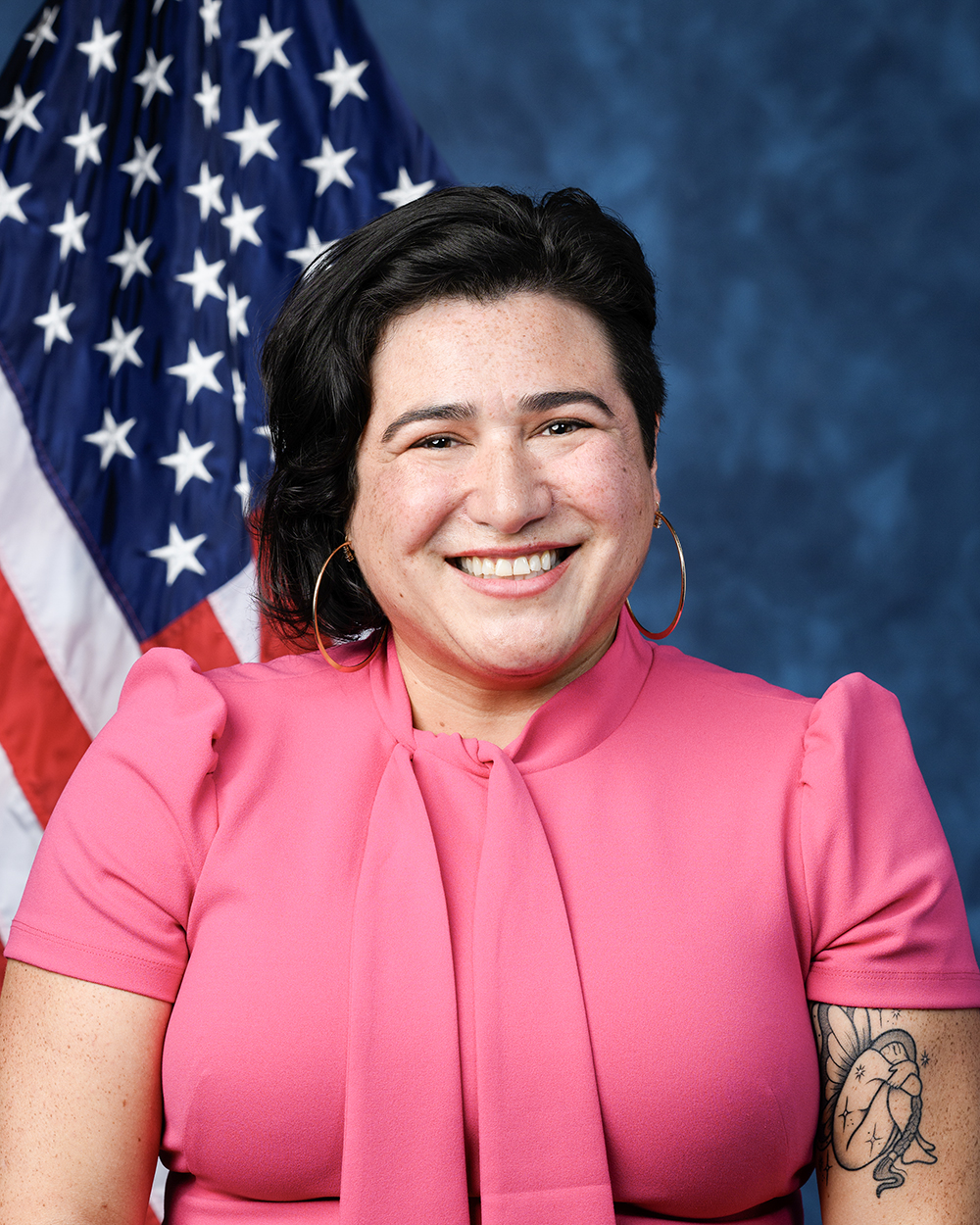
Rep. Emily Randall
Sponsored bills
Maddy summaryThe Celiac Safety Act of 2026 officially classifies gluten-containing grains as a major food allergen under federal law, directly impacting the food industry and individuals with celiac disease or gluten intolerance. This change requires manufacturers to label products containing wheat, rye, barley, or their crossbred hybrids with the same prominence as other major allergens like milk. The new labeling requirements will not take effect until 18 months after the law is enacted, giving businesses time to adjust their packaging and production processes.
Maddy summaryThis bill, titled the No Presidential Self-Serving Lawsuits Act of 2026, prevents the current or former President of the United States from filing civil lawsuits against the federal government. It specifically invalidates an existing settlement agreement between a former President and the Internal Revenue Service and bars the use of federal funds to create compensation for such lawsuits. Additionally, the legislation authorizes the Treasury Secretary to recover any money already spent in violation of these new restrictions. The primary goal is to stop a President from using taxpayer money to settle legal disputes with the government they lead.
Maddy summaryThis bill, the Provider Reimbursement Stability Act of 2026, aims to create more predictable payment adjustments for physicians and other healthcare providers under the Medicare program. It directly affects medical practices and providers who receive reimbursement for services through the physician fee schedule. The legislation increases a threshold for certain budget neutrality calculations from $20 million to $54.3 million in 2027, with automatic increases every five years thereafter. It also requires the government to correct payment estimates when actual service usage differs significantly from projections, mandates regular updates to cost calculations for practice expenses, and limits how much Medicare payment rates can change from year to year to a maximum of 2.5 percent.
Maddy summaryThis bill would add pharmacist services to Medicare Part B coverage for beneficiaries, specifically covering pharmacist-led testing and treatment for illnesses like flu, COVID-19, or strep throat during public health emergencies. It defines covered services as those performed under state law, often requiring collaboration with a physician, and sets payment at 80% of the lesser of the actual charge or 85% of physician payment rates. Pharmacists would be prohibited from balance billing for these services, ensuring Medicare beneficiaries pay only their standard copayment. The changes would take effect January 1, 2026.
Maddy summaryThe Smithsonian American Women’s History Museum Act authorizes the creation of a new Smithsonian museum dedicated to women’s history, to be located within the National Mall Reserve in Washington, D.C. If the site is managed by another federal agency, the bill requires that agency to transfer the land after notifying Congress and relevant committees. The museum must ensure exhibits and programs accurately represent diverse women’s experiences by consulting a broad range of experts and community voices. The Smithsonian will submit biennial reports to Congress detailing how the museum meets these representation standards.
Maddy summaryThe No Taxpayer-Funded Settlement Slush Funds Act of 2026 prohibits the use of federal money to pay specific settlements involving high-ranking government officials and their close associates. It bars payments to the President, Vice President, their immediate families, cabinet members, senior executive staff, political appointees, and individuals connected to these roles, as well as any entity owned by the President or Vice President. Additionally, the bill restricts settlements related to claims about the January 6 Capitol attack, foreign election interference, or previously dismissed lawsuits, while requiring Treasury reports for large settlements and allowing the government to seek repayment if rules are broken.
Maddy summaryHR 2388 transfers approximately 1,082 acres of federal land (within Olympic National Park) into trust for the Lower Elwha Klallam Tribe, adding it to their reservation in Washington State. The land will be managed under existing river protections, and the bill explicitly states this land cannot be used for tribal gaming under federal law. This act directly affects the tribe by expanding their reservation and clarifying land management rules, without altering treaty rights.
Maddy summaryThis joint resolution expresses Congress's disapproval of a Centers for Medicare & Medicaid Services rule that requires doctors to obtain prior authorization for certain medical services under the WISeR Model. The bill directly affects healthcare providers and patients by seeking to cancel the rule, which would otherwise mandate that specific services be approved before they are delivered. If passed, the provision would render the rule ineffective, preventing the new prior authorization requirements from taking effect. This action is part of a standard legislative process used to reject federal regulations without needing to pass a new law.
Maddy summaryThis concurrent resolution directs the President to stop using U.S. military forces in active hostilities against Iran unless Congress explicitly authorizes such action through a formal declaration of war or specific military force authorization. The measure clarifies that ending combat operations does not prevent the United States from defending itself, maintaining a defensive troop presence in the region, or continuing intelligence collection and sharing activities. Additionally, the bill specifies that this directive does not constitute an authorization for the use of military force, distinguishing it from a formal grant of power to the executive branch.