

Maddy summaryThe No Taxpayer-Funded Settlement Slush Funds Act of 2026 prohibits the use of federal money to pay specific settlements involving high-ranking government officials and their close associates. It bars payments to the President, Vice President, their immediate families, cabinet members, senior executive staff, political appointees, and individuals connected to these roles, as well as any entity owned by the President or Vice President. Additionally, the bill restricts settlements related to claims about the January 6 Capitol attack, foreign election interference, or previously dismissed lawsuits, while requiring Treasury reports for large settlements and allowing the government to seek repayment if rules are broken.
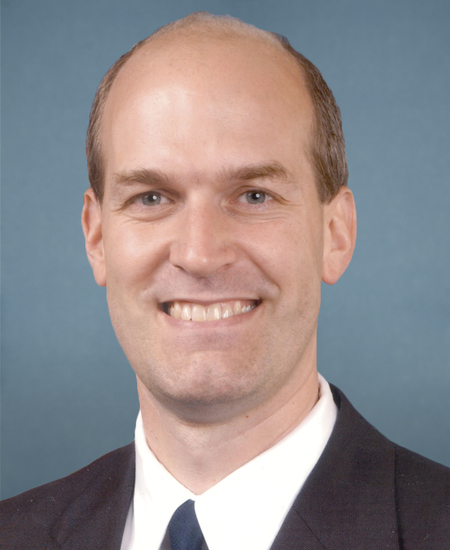
Rep. Rick Larsen
Sponsored bills
Dental Care for Veterans Act This bill expands eligibility for veterans for dental care provided by the Department of Veterans Affairs (VA). Specifically, the bill makes all veterans who are enrolled in the VA health care system eligible for VA-provided dental services. Currently, only veterans who have a service-connected dental issue or meet other narrow criteria are eligible for certain dental services. The bill phases in eligibility over four years based upon existing eligibility, degree of service-connected disability or other disability, prisoner of war status, award of a Purple Heart, financial need, or VA health care eligibility.
Maddy summaryThe Protecting Our Democracy Act is a comprehensive legislative bill designed to prevent abuses of presidential power, restore checks and balances, and defend elections against foreign interference. Key provisions include prohibiting the President from granting self-pardons, requiring congressional oversight for pardons involving the President or their family, and banning the President from accepting payments from individuals who have received clemency. The bill also strengthens enforcement of the Hatch Act and ethics rules for political appointees, mandates greater transparency in presidential tax returns and campaign finances, and restricts the use of federal property for political conventions. Additionally, it expands reporting requirements for foreign contacts in federal campaigns and imposes stricter penalties for violations of election laws.
Maddy summaryThis bill authorizes the federal government to provide up to $70 million annually from 2027 to 2031 to help local law enforcement agencies combat the trafficking of fentanyl and other opioids. The funds are intended for eligible entities such as states, local governments, and tribal organizations to hire and train officers, purchase necessary equipment, and establish or expand multi-jurisdictional task forces that cross city or state lines. A specific requirement of the program is that at least 20 percent of the money must be set aside for direct grants to Indian Tribes and multi-jurisdictional task forces. To receive these funds, applicants must submit detailed plans explaining how they will use the money and agree to report on their progress, while the Attorney General is tasked with streamlining the application process to reduce paperwork. The legislation also mandates that the Office of Community Oriented Policing Services provide training and technical assistance to support these efforts and submit annual reports to Congress on the program's effectiveness.
Maddy summaryThe MISSION Rx Act ensures that military beneficiaries and veterans pay no more for specific negotiated drugs than Medicare Part D beneficiaries do. It achieves this by capping the out-of-pocket costs for TRICARE-covered servicemembers and copayments for veterans at the same levels established under the federal drug price negotiation program. Additionally, the bill requires federal agencies to limit the maximum prices they agree to pay pharmaceutical manufacturers for these same negotiated drugs. These changes apply to existing contracts and new agreements involving drugs selected for federal price negotiation.
Maddy summaryThis resolution formally recognizes the week of May 4 through May 8, 2026, as "Teacher Appreciation Week" to honor the work of public school educators. It highlights the importance of teachers in the education system and notes that a majority of them support various policies, including protections for students and funding for public schools. The document also expresses the view that teachers should have a direct role in education policymaking at federal, state, and local levels. By issuing this designation, the House of Representatives aims to acknowledge the value of teachers and encourage government leaders to engage with them on issues affecting the classroom.
Maddy summaryThis bill, titled the Protecting Human Rights and Public Health in Foreign Assistance Act, aims to cancel specific regulations issued by the Department of State. It directly affects the federal government by prohibiting any department or agency from enforcing, implementing, or proposing rules related to protecting life, combating discriminatory equity ideology, and combating gender ideology in foreign aid programs. The legislation treats these cancelled rules as if they never existed, effectively nullifying their impact on future foreign assistance policies.
Maddy summaryThis resolution expresses the House of Representatives' support for the International Atomic Energy Agency's (IAEA) crucial role in global nuclear security and safety. It encourages the United States and other IAEA member states to ensure the Agency has reliable and sufficient resources, including financial contributions to its Nuclear Security Fund, to successfully carry out its duties.
Maddy summaryThis bill modernizes housing assistance programs for Native American tribes and Native Hawaiians by streamlining environmental reviews, extending funding authorization through 2032, and expanding loan guarantee options. Key provisions include consolidating environmental review requirements to reduce paperwork for tribes, allowing 99-year leasehold interests on trust lands for housing, and creating new rental assistance specifically for homeless or at-risk Native American veterans. The legislation also clarifies rent rules, waives certain housing counseling certifications for tribal entities, exempts tribal housing projects from some federal civil rights and Buy America requirements, and establishes a direct loan guarantee process for tribal housing projects.
Maddy summaryThe Protecting America from Seasonal and Pandemic Influenza Act of 2026 aims to strengthen the United States' ability to prevent, detect, and respond to flu outbreaks by modernizing vaccine development and securing the domestic supply chain. The bill sets specific national goals, such as delivering pandemic vaccines within 12 weeks of a threat emerging and developing a universal flu vaccine within a decade, while also requiring agencies to create detailed plans to meet these targets. It authorizes significant funding to support research into new diagnostics and treatments, establishes partnerships to reduce reliance on foreign manufacturing, and launches demonstration projects to improve vaccine access for underserved communities. Additionally, the legislation mandates regular reporting on public communication strategies to combat misinformation and ensures that federal stockpiles of antivirals and testing supplies are regularly updated and diversified.