

Maddy summaryHR 51, the Washington, D.C. Admission Act, would admit Washington, D.C. as the 51st state, named "Washington, Douglass Commonwealth," granting its residents full representation in Congress with two Senators and one Representative. The bill establishes procedures for admission, including elections for state officials, with the state initially having one Representative until the next congressional apportionment. It would create a "Capital" area (including the White House, Capitol, and other key federal buildings) that remains under federal jurisdiction as the seat of the U.S. government, while the rest of the District becomes the new state. The bill also includes provisions to ensure continuity of federal services, property management, and legal procedures during the transition to statehood.
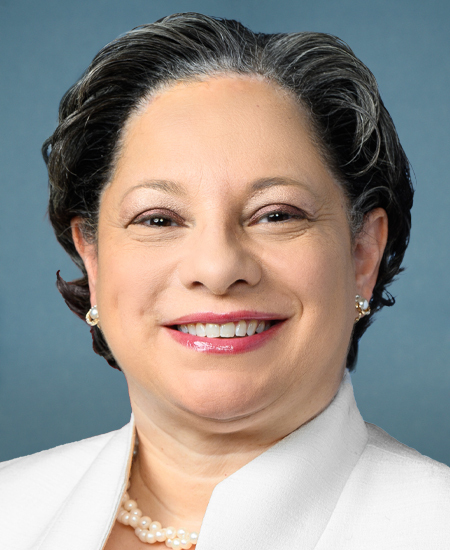
Rep. Jennifer L. McClellan
Sponsored bills
Maddy summaryThis bill extends a tax credit for employer social security taxes paid on employee tips at beauty service businesses (including barbering, nail care, esthetics, and spa treatments), but only for tips customary in these services. It creates a "tip reporting safe harbor" requiring beauty businesses to implement quarterly employee training on tip reporting, monthly tip tracking, and proper tax filings to avoid IRS audits on tips. Additionally, it mandates businesses renting space to beauty service providers to report annual rental income over $600 to the IRS. These provisions directly affect beauty service establishments and landlords in this sector, applying to tax years beginning after 2022 or 2023.
Commission to Study and Develop Reparation Proposals for African Americans Act This bill establishes the Commission to Study and Develop Reparation Proposals for African Americans. The commission must (1) compile documentary evidence of slavery in the United States; (2) study the role of the federal and state governments in supporting the institution of slavery; (3) analyze discriminatory laws and policies against freed African slaves and their descendants; and (4) recommend ways the United States may recognize and remedy the effects of slavery and discrimination on African Americans, including through a formal apology and compensation (i.e., reparations). The commission consists of individuals from civil society and reparations organizations and individuals appointed by the President and congressional leadership; Members of Congress and governmental employees may not serve on the commission. The commission may hold hearings, subpoena witnesses and records, and contract with other entities to conduct its work. The commission must submit its final report within 18 months of its first meeting.