

Maddy summaryThe Securing Agriculture's Workforce Act of 2026 modernizes the H-2A visa program by transferring administrative authority to the Department of Homeland Security and introducing a unified online platform to streamline applications for employers and workers. Key provisions include establishing new housing standards with mandatory inspections, creating a system for staggered worker entry and exit, and allowing workers to transfer between employers without losing their status. The bill also defines specific job classifications for wage calculations, expands the scope of covered agricultural activities, and provides legal protections for employers who document the employment of workers seeking visa status. Additionally, it requires agencies to develop a heat illness prevention plan and allows for contract termination due to natural disasters.
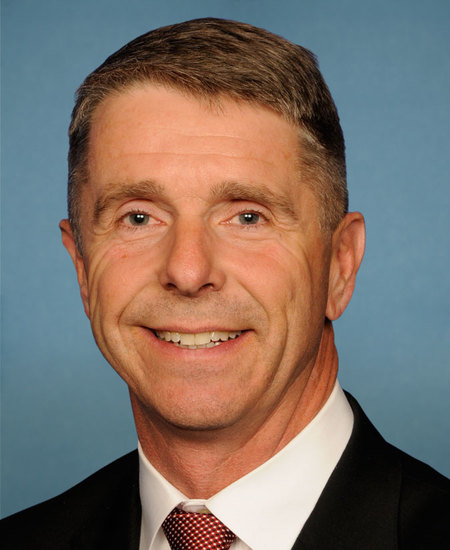
Rep. Robert J. Wittman
Sponsored bills
Maddy summaryHR 4398, the Veteran Burial Timeliness and Death Certificate Accountability Act, requires Veterans Affairs (VA) physicians or nurse practitioners to certify the death of a veteran who dies of natural causes within 48 hours of learning of the death. This directly affects veterans' families, who previously faced delays of up to eight weeks in burial and access to survivor benefits due to slow death certifications. The bill mandates annual reports to Congress on VA compliance with the 48-hour rule, including statistics on delays and their causes. The key change is establishing a strict timeline for death certification to prevent unnecessary delays in honoring veterans' final arrangements.
Maddy summaryThe GRACE for Military Survivors Act extends the deadline for contributing military death benefits to Roth IRAs and Coverdell education savings accounts from one year to three years. This change directly benefits families of service members who receive these death benefits, giving them more time to save for retirement or education. The law applies to benefits received after the bill is enacted and includes a special rule allowing contributions made within a specific window for benefits received between 2001 and the enactment date. By amending the Internal Revenue Code, the bill ensures that eligible funds can be deposited into these tax-advantaged accounts without losing their value due to time limits.
Maddy summaryThe Premium Transparency Act requires health insurers and Medicare Advantage organizations to publicly disclose how they spend premium revenue, specifically detailing the percentages allocated to claims, overhead costs, and retained profits. Starting in 2027, these companies must publish this data in a consumer-friendly format on their websites for each plan they offer, allowing individuals to compare financial transparency across different coverage options. Additionally, the bill mandates that the government issue standardized guidance by 2028 to ensure key plan details, such as deductibles, out-of-pocket limits, and specific care costs, are presented in plain English. A further provision updates online plan comparisons to include this new financial data beginning in 2029, aiming to help consumers make more informed decisions about their health insurance.
Maddy summaryThe Prior Authorization Accountability Act requires health insurance plans and issuers to publicly report detailed data on their prior authorization processes starting in 2027. This includes submitting information on approval and denial rates, appeal outcomes, processing times, and the specific use of artificial intelligence or other automated technologies in making coverage decisions. The bill mandates that these reports be available on public websites for both individual and group coverage, allowing consumers to compare how different plans handle requests for medical services. Additionally, the legislation updates the Affordable Care Act to ensure that health plans sold through insurance exchanges display this new transparency data to help shoppers make informed choices.
Maddy summaryThis bill requires Medicare Advantage (MA) plans to report detailed, individual-level data on supplemental benefits (like dental or vision coverage) starting in 2029. Plans must submit information on eligibility, benefit types, utilization, and costs per enrollee to the Centers for Medicare & Medicaid Services (CMS). Beginning in 2030, CMS must publish this data annually on its website for public research and program evaluation, while protecting individual privacy. The law aims to improve transparency around supplemental benefits without changing the benefits themselves.
Maddy summaryThis bill redesignates the existing National Parks and Public Land Legacy Restoration Fund as the America's Legacy Restoration Fund to address deferred maintenance on federal lands. It directs revenue from recreation fees and a portion of energy development income into the fund, which must be used primarily for repairing critical infrastructure like roads, trails, and buildings managed by agencies such as the National Park Service and the Forest Service. The legislation establishes strict rules requiring that most funds go toward non-transportation projects, mandates transparency through public dashboards tracking project status, and sets aside a small percentage for matching private donations. Additionally, the bill increases entrance fees for foreign visitors to ensure they contribute to the fund, while prohibiting the use of these specific funds for land acquisition or employee bonuses.
Maddy summaryHR 2978, the GUARD Act, allows state, local, and tribal law enforcement agencies to use existing federal grant funds for investigating elder financial fraud, "pig butchering" investment scams, and general financial fraud. The bill directs these funds toward hiring specialized staff, training on blockchain tools and transnational fraud, purchasing investigative software, improving data collection, and creating financial sector liaisons to coordinate with banks. It requires annual reports from law enforcement on fund usage and outcomes, and mandates federal agencies to submit comprehensive reports to Congress on scam statistics, enforcement actions, and funding allocation. The legislation directly affects law enforcement agencies and aims to strengthen efforts against fraud targeting vulnerable populations, particularly elderly individuals.
Repealing Big Brother Overreach Act This bill repeals the Corporate Transparency Act. The act requires existing companies and newly created companies to report beneficial ownership information to the Department of the Treasury’s Financial Crimes Enforcement Network for purposes of addressing the financing of terrorism and money laundering.
Maddy summaryHR 2675, the Protecting Our Courts from Foreign Manipulation Act of 2025, requires parties and their lawyers in federal civil cases to disclose any foreign funding tied to case outcomes. It mandates written disclosure of foreign funders' identities (including country of origin) and certification about funding sources, while banning foreign states or sovereign wealth funds from funding litigation. The law also requires annual reports to Congress detailing foreign-funded cases, including amounts and jurisdictions. This directly affects parties using foreign-funded litigation, courts handling such cases, and foreign entities seeking to influence U.S. courts through financial support.