

Maddy summaryThis bill (HR 6360) makes Executive Order 14363 ("Launching the Genesis Mission") legally binding, overriding any conflicting laws or executive orders. It does not create new programs or change existing policies - it simply ensures the executive order has the force of law. The bill directly affects how federal agencies implement the "Genesis Mission" initiative outlined in the executive order. This is a procedural bill with no substantive policy changes beyond affirming the executive order's legal status.
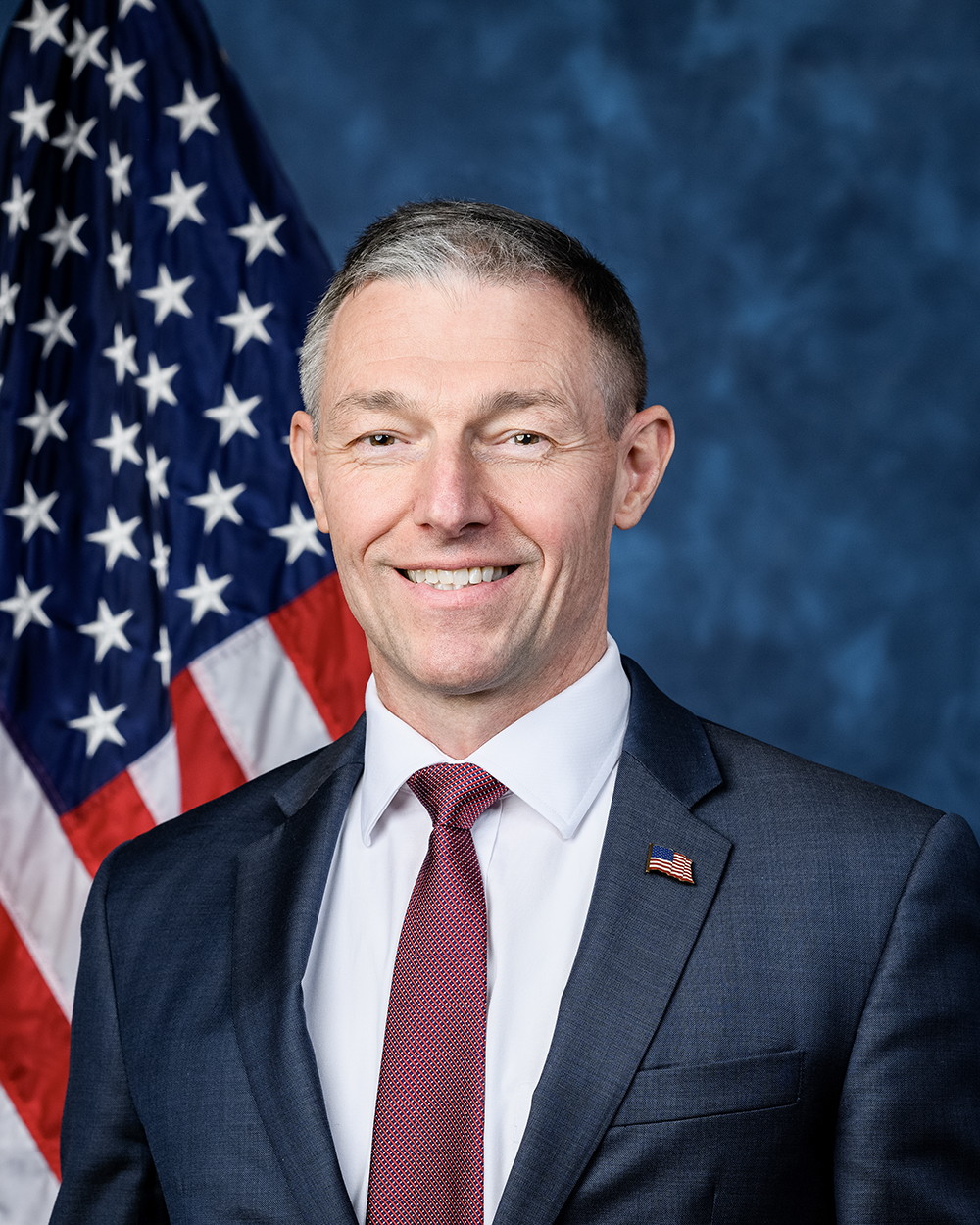
Rep. Mike Kennedy
Sponsored bills
Give Kids a Chance Act of 2025 This bill expands the Food and Drug Administration’s (FDA’s) authority with respect to research on rare pediatric diseases, including by permitting the FDA to take enforcement action against drug sponsors that fail to satisfy pediatric study requirements and by reauthorizing programs that support pediatric research. Specifically, the bill modifies requirements relating to molecularly targeted pediatric cancer investigations to permit research on new drugs in combination with active ingredients that have already been approved, provided certain conditions are met; permits the FDA to take enforcement action against drug sponsors that fail to comply with pediatric study requirements, if such sponsors demonstrated a lack of due diligence in satisfying the requirement; renews the FDA’s authority to award priority review vouchers to sponsors of new products intended to treat rare pediatric diseases through September 30, 2029; and reauthorizes through FY2027 certain funding for the National Institutes of Health to support priority pediatric research. The bill also provides statutory authority for the FDA’s interpretation of the orphan drug exclusivity period. The bill specifies, consistent with FDA regulations, that the seven-year market exclusivity period for drugs for rare diseases or conditions (i.e., orphan drugs) prohibits the approval of the same drug for the same approved use or indication with respect to the disease or condition. (In Catalyst Pharmaceuticals, Inc. v. Becerra , a court rejected the FDA’s interpretation and held that orphan drug exclusivity extends to all uses or indications for the disease or condition.)
Maddy summaryHR 302, the Water Rights Protection Act of 2025, requires federal agencies (like the Departments of Agriculture or Interior) to respect state authority over water rights when issuing permits or managing land. It prohibits federal actions that would override state water laws, such as forcing water rights transfers to the U.S. government, imposing stricter usage limits than state law, or interfering with tribal water rights. The bill directly affects states, water users (including federally recognized tribes), and federal land management decisions involving water permits. It explicitly states it does not change existing laws like the Endangered Species Act or tribal water rights, focusing solely on preserving state regulatory control.
Maddy summaryHR 6266, the Algorithm Accountability Act, amends Section 230 of the Communications Act to require large social media platforms (with over 1 million users) to design recommendation algorithms with "reasonable care" to prevent foreseeable bodily injury or death. It removes Section 230 liability protection for platforms violating this duty, allowing victims to sue for damages in court. The law specifically targets algorithms that curate content based on user data (like likes or behavior), excluding chronological feeds and initial search results. It preserves stronger state laws and prohibits pre-litigation arbitration for these claims.
Maddy summaryThis bill prohibits Medicare-approved medical residency programs from requiring residents to undergo abortion training without their voluntary consent. It specifically bans programs from making such training mandatory (requiring residents to "opt-in" rather than "opt-out") or from discriminating against residents who refuse this training or do not perform abortions. The law directly affects medical residents in Medicare-funded postgraduate training programs across the U.S., ensuring they cannot be forced into abortion-related clinical experiences or penalized for declining them.
Maddy summaryThis bill (HR 6059) is a ceremonial resolution renaming a specific U.S. Postal Service facility in Moab, Utah (located at 50 East 100 North) as the "2nd Lieutenant Mitchell Williams Post Office." It directly affects the physical post office location by changing its official name in all federal references. The bill contains no policy changes or new requirements - its sole purpose is to honor 2nd Lieutenant Mitchell Williams through this naming designation. As a procedural resolution, it does not impact legislation, funding, or public policy.
Maddy summaryThe FREE Act (HR 689) requires federal agencies to replace slow, discretionary permitting processes with a streamlined "permitting by rule" system for certain permits. Under this system, applicants would certify compliance with written standards (instead of lengthy agency reviews) and receive a permit automatically after 180 days if the agency doesn’t act. Agencies must first report on their current permitting processes and identify which permits can transition to this model, with deadlines for submissions and implementation. This directly affects federal agencies issuing permits (e.g., environmental or construction permits) and applicants seeking them, aiming to reduce delays and costs while allowing agencies to audit and enforce compliance after permits are granted.
Maddy summaryHR 5815, the District of Columbia Medicaid Fairness Act, adjusts federal Medicaid funding for Washington D.C. by setting a specific Federal Medical Assistance Percentage (FMAP) for the district. It directly affects D.C. residents enrolled in Medicaid by guaranteeing a minimum federal funding share: 70% for fiscal years before 2027, gradually decreasing to 55% by 2029. For fiscal years 2030 and beyond, D.C. will receive the standard FMAP rate calculated under the Social Security Act, without the special adjustment. This change ensures D.C. receives a higher federal share than it would under the standard formula until 2029, after which it aligns with other states. The bill modifies Section 1905 of the Social Security Act to implement these funding adjustments.
Maddy summaryHRES 823 is a symbolic resolution proposing to designate the week beginning October 19, 2025, as "Coal Week" to recognize the coal industry's historical and current contributions to U.S. energy, military readiness, and economic stability. It does not create new laws or funding, but rather offers non-binding support for acknowledging coal's role in providing reliable power (19.5% of U.S. electricity in 2022) and its declining emissions through technological advancements. The resolution highlights coal as a "reliable and affordable source of baseload power" and notes its global significance (36% of worldwide electricity). This is purely a commemorative gesture with no direct impact on policy or affected parties beyond symbolic recognition of the coal sector.
Maddy summaryHR 5752, the Upper Price River Watershed Project Act of 2025, would transfer approximately 124.23 acres of Bureau of Land Management (BLM) land in Utah to the city of Price, Utah. The bill requires the Secretary of the Interior to convey this specific parcel - shown on a designated BLM map - to the city for public use, as defined by the city itself. This transfer would occur upon the city's request, subject to existing rights, and the map must be publicly available for inspection. The bill does not alter water management or watershed projects but focuses solely on the land conveyance.