

Maddy summaryHR 1232, the National Right-to-Work Act, would make union membership voluntary for workers in most private-sector jobs by removing legal requirements for employees to join a union or pay dues as a condition of employment. It directly affects workers in unionized workplaces covered by the National Labor Relations Act (including most private employers) and railroad workers covered by the Railway Labor Act. The key change eliminates provisions that allowed "union security agreements" (requiring dues or membership), meaning workers could no longer be forced to pay union fees to keep their jobs. This bill does not change other labor rights or create new programs - it only modifies existing laws to allow workers to opt out of union membership and financial obligations.
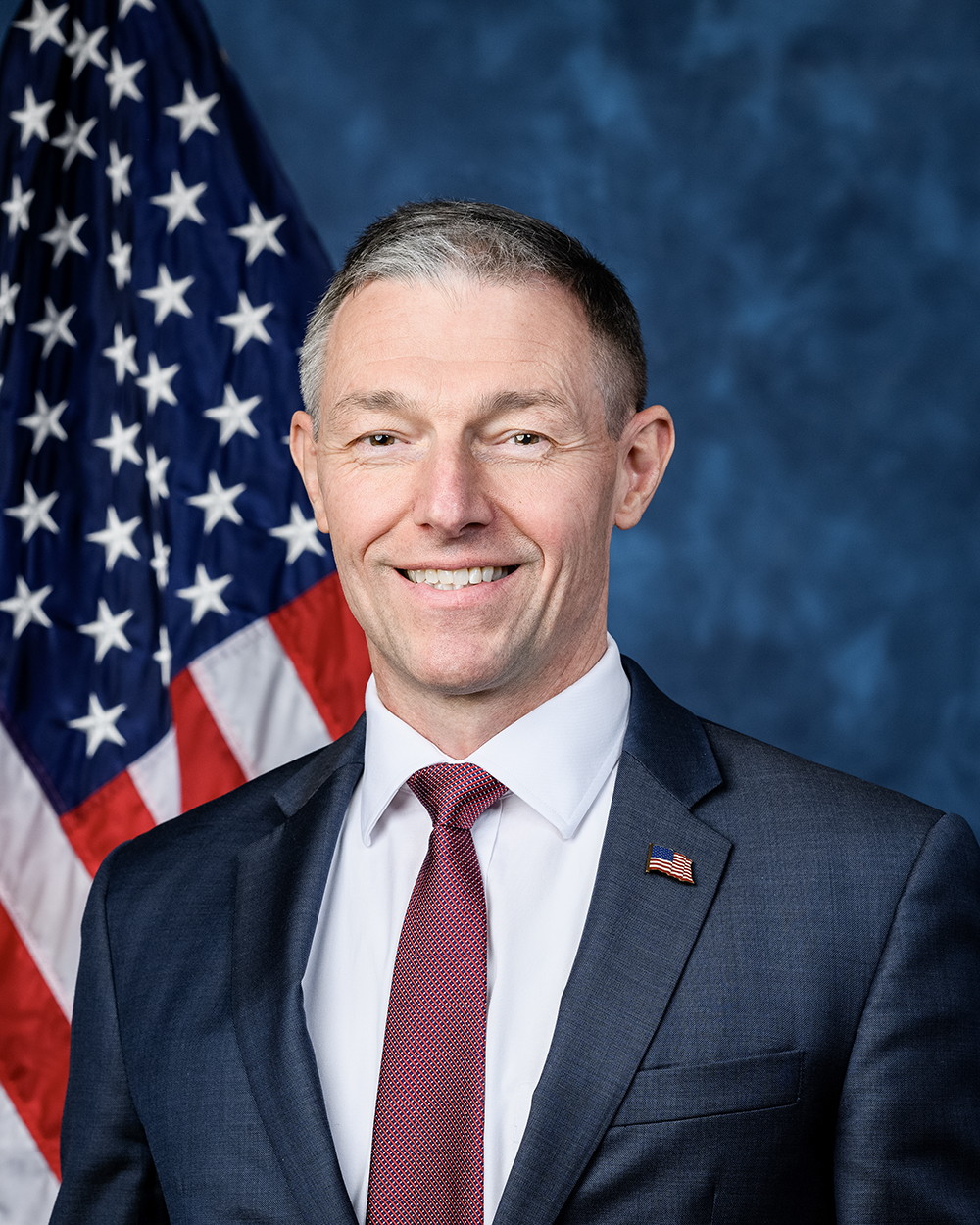
Rep. Mike Kennedy
Sponsored bills
Security And Fairness Enhancement for America Act of 2025 or SAFE for America Act of 2025 This bill eliminates the diversity visa program. This program provides up to 55,000 visas annually to individuals from countries with low rates of immigration to the United States.
Maddy summaryHR 1195, the Protect Medicaid Act, prohibits federal Medicaid funds from covering administrative costs related to health benefits provided to unauthorized immigrants who lack lawful immigration status and are ineligible for Medicaid. This directly affects states that currently provide such benefits, requiring them to separate these administrative costs from general Medicaid program expenses. The bill adds a new provision to the Social Security Act clarifying that federal funds cannot be used for these specific administrative costs, while allowing funds for systems designed to enforce this rule. It also mandates an Inspector General report detailing how states separate costs, ensure compliance, finance these programs (e.g., through provider taxes), and the impact on drug pricing for this population.
Maddy summaryHR 1206, the WEST Act of 2025, cancels a specific Bureau of Land Management (BLM) rule titled "Conservation and Landscape Health" (published in the Federal Register on April 3, 2023). The bill directly affects the BLM and anyone subject to the rule, which governed land management practices on public lands. Its key mechanism is a straightforward provision declaring the rule "shall have no force or effect," effectively removing it from federal regulations without creating new policies. This is a procedural action targeting a specific existing regulation, not a broader policy change.
Maddy summaryThis bill allows individuals enrolled in silver-level health plans through the Affordable Care Act marketplace to opt for health savings account (HSA) contributions instead of reduced cost-sharing subsidies. Insurers would deposit funds directly into the enrollee’s HSA (equal to the value of the standard cost-sharing reduction) rather than the government paying the subsidy. It requires insurers to offer high-deductible plan alternatives to silver plans and mandates public education about HSA options starting in 2026. The policy change applies to months beginning after December 2025, shifting how cost-sharing support is delivered to eligible enrollees.
Maddy summaryThe SAFE Act requires Medicare to cover falls risk assessments and fall prevention services for seniors aged 65+ who have fallen in the previous year. These services, provided by physical or occupational therapists, will be included in Medicare's annual wellness visits and initial preventive physical exams starting January 1, 2026. The bill also mandates annual reports to Congress beginning in 2027 on falls among seniors aged 65+ that required treatment for fall-related injuries. This policy directly affects Medicare beneficiaries with a documented history of falls by adding targeted preventive care to their covered benefits.
Maddy summaryHR 925, the "Dismantle DEI Act of 2025," would eliminate diversity, equity, and inclusion (DEI) programs across federal government operations. The bill requires federal agencies to close DEI offices, rescind related executive orders, and prohibit the use of federal funds for DEI training, offices, or initiatives. It defines "prohibited diversity, equity, or inclusion practice" as any activity that discriminates based on race, ethnicity, religion, biological sex, or national origin, or requires employees to complete training asserting that certain groups are inherently superior or inferior. The legislation also prohibits requiring employees to sign statements about race, ethnicity, or gender, and establishes private lawsuits for violations with potential damages of $1,000 per violation per day. This bill would directly affect federal agencies, contractors, grantees, and advisory committees receiving federal funding.
Maddy summaryThe HOPE Act of 2025 creates tax-advantaged "HOPE Accounts" for individuals to pay qualified medical expenses. These accounts allow tax-free savings with annual contribution limits of $4,000 for self-only coverage or $8,000 for family coverage, and employers can contribute up to 50% of these limits. Distributions for qualified medical expenses are tax-free, but amounts used for non-medical purposes are taxed at ordinary rates plus a 30% penalty. The bill would take effect for taxable years beginning after December 31, 2025, and applies to individuals with minimum essential health coverage who don't participate in other similar accounts like HSAs or FSAs.
Silencers Help Us Save Hearing Act or the SHUSH Act This bill removes silencers from regulation under certain federal statutes governing the sale, transfer, and possession of firearms. Specifically, it removes silencers from the list of firearms subject to regulation (i.e., registration and licensing requirements) under the National Firearms Act (NFA). Additionally, it excludes a muffler or silencer from the list of firearms subject to regulation (e.g., background check requirements) under the Gun Control Act of 1968 (GCA). Finally, the bill does the following: preempts state or local laws that tax or regulate firearm silencers, specifies that a person who lawfully acquires or possesses a silencer under provisions of the GCA meets the registration and licensing requirements of the NFA, eliminates mandatory minimum prison terms for a crime of violence or drug trafficking offense in which a defendant uses or carries a firearm equipped with a silencer or muffler, and permits active and retired law enforcement officers to carry a concealed silencer.
Medicare Patient Access and Practice Stabilization Act of 2025 This bill increases certain payment adjustments under the Medicare physician fee schedule for services furnished between April 1, 2025, and January 1, 2026.