

Maddy summaryHR 1368, the DOE and NASA Interagency Research Coordination Act, establishes a formal framework for DOE and NASA to collaborate on joint research and development projects. It directs the agencies to coordinate through memoranda of understanding and competitive awards in specific areas like nuclear propulsion systems, quantum computing, space-based solar energy transmission, and earth sciences research. The bill requires the agencies to share data, leverage existing infrastructure, and report on coordination progress to Congress within two years. This legislation does not create new funding but aims to streamline existing research efforts between the two agencies and their partners, such as national laboratories and universities.
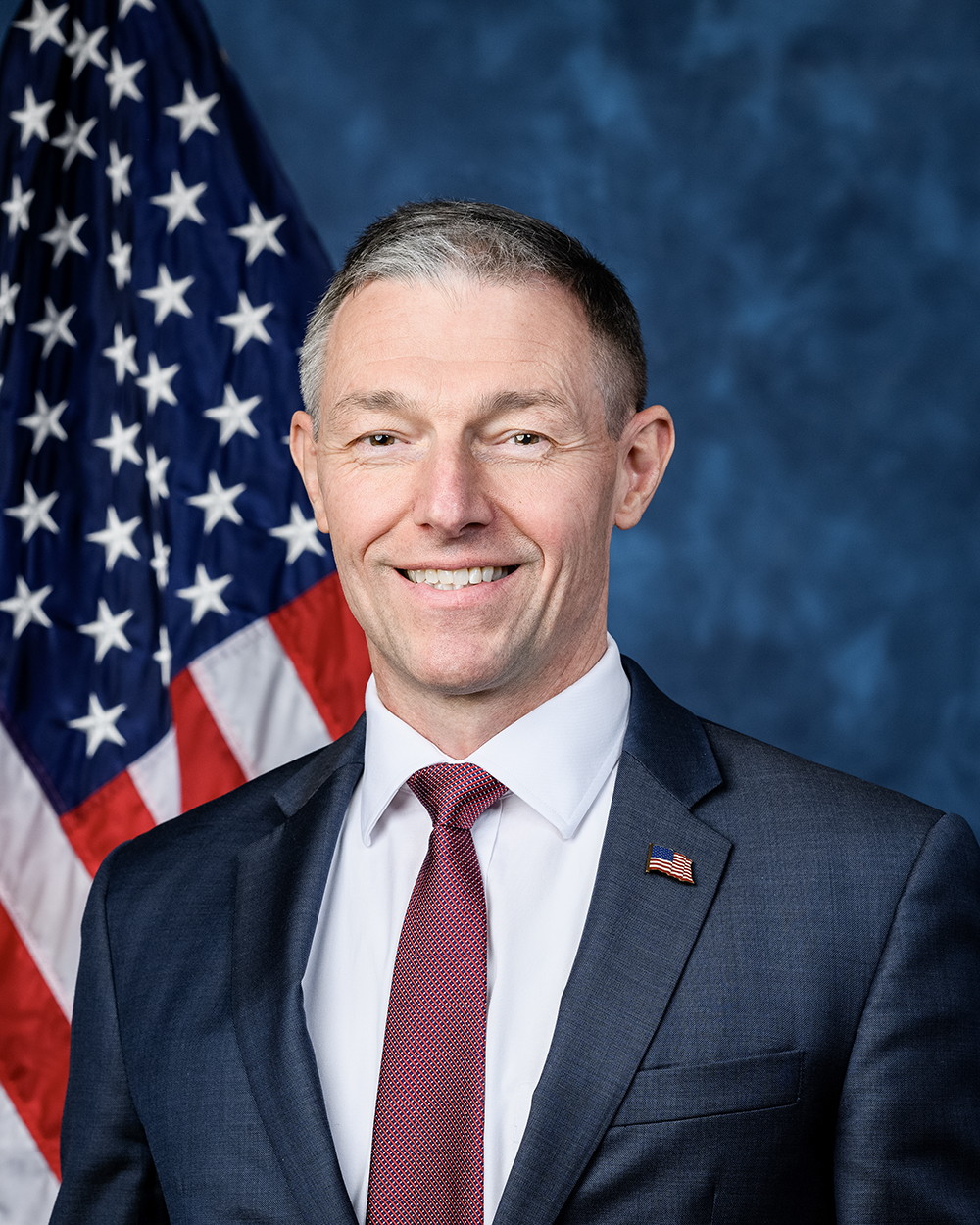
Rep. Mike Kennedy
Sponsored bills
Maddy summaryHR 1318 amends a definition in existing law to clarify the scope of "foreign country" for restrictions on malign foreign talent recruitment. It specifies that the definition includes any program, position, or activity "whether directly or indirectly provided," removing ambiguity about indirect support. The bill directly affects how federal agencies apply current restrictions on foreign talent recruitment programs. This is a technical clarification to existing law, not a new policy change.
Maddy summaryThis bill requires states to verify that Medicaid providers and suppliers are not deceased during enrollment and at least quarterly while enrolled. Starting January 1, 2027, states must check the federal Death Master File (a government database of deceased individuals) as part of provider onboarding and revalidation. The law directly affects all entities billing Medicaid for services, aiming to prevent fraud where deceased individuals' identities might be used. It creates a concrete, ongoing screening mechanism to ensure only active providers participate in the program.
Maddy summaryThis bill modifies Medicare's physician self-referral rules to improve access for rural communities. It creates a new exemption for "covered rural hospitals" (defined as facilities in rural areas more than 35 miles from another hospital or critical access hospital) from certain restrictions on physicians owning hospitals. The bill also removes a prohibition on expanding existing physician-owned hospitals, allowing such expansions after the law's enactment. These changes directly affect rural hospitals seeking Medicare participation and physicians who own or operate hospitals in underserved areas.
Maddy summaryHR 1198, the Let’s Get to Work Act of 2025, amends work requirements for the Supplemental Nutrition Assistance Program (SNAP) and extends them to public housing and tenant-based rental assistance programs. It increases the work requirement period from 3 to 6 months for non-exempt SNAP participants (ages 18-50 without children), while adding exemptions for parents with young children, individuals over 60, and married couples where one spouse complies with work rules. These changes apply directly to SNAP recipients and public housing tenants meeting the specified criteria, aligning housing program eligibility with SNAP’s updated work rules. The bill modifies existing provisions without creating new programs or altering benefit levels.
Maddy summaryHR 2063 prohibits "natural asset companies" from entering agreements related to land or natural assets in Utah. These companies are defined as corporations managing defined areas for conservation, restoration, or sustainable use, or similar organizations. The bill directly affects such companies by banning all agreements involving Utah land or its natural assets. This creates a clear legal restriction on their operations within the state.
Metastatic Breast Cancer Access to Care Act This bill expedites payment of Social Security Disability Insurance (SSDI) benefits and eligibility for Medicare coverage for those with metastatic breast cancer (i.e., breast cancer that has spread to other sites in the body). Specifically, the bill eliminates the 5-month waiting period for SSDI benefits and the subsequent 24-month waiting period for Medicare coverage for individuals with metastatic breast cancer. Under current law, individuals generally must wait 5 months after the onset of disability to begin receiving SSDI benefits and an additional 24 months to become eligible for Medicare.
Resident Education Deferred Interest Act or the REDI Act This bill allows borrowers in medical or dental internships or residency programs to defer student loan payments until the completion of their programs.
Maddy summaryHR 471, the Fix Our Forests Act, establishes a new system for identifying and managing high-risk wildfire areas called "firesheds" and creates a centralized Fireshed Center to coordinate wildfire risk management across federal agencies. The bill streamlines environmental reviews for wildfire risk reduction projects, allowing for faster implementation of hazardous fuels management activities in designated areas. It includes provisions for community wildfire risk reduction programs, water source protection, and specific initiatives for restoring white oak forests. The legislation also includes litigation reforms to expedite forest management projects and reduce delays from legal challenges. These provisions aim to reduce wildfire risk and improve forest health through more coordinated, data-driven management approaches.
Maddy summaryHR 1668 prohibits the Federal Emergency Management Agency (FEMA) from using funds to support sheltering programs or facility improvements for U.S. Customs and Border Protection (CBP) short-term holding facilities. It specifically cancels unused funds from two 2023 and 2024 appropriations acts that were previously allocated to FEMA for this purpose. The bill directly affects FEMA's budget authority and prevents the agency from funding non-Federal entities providing such support. This is a procedural funding change, not a new immigration policy.