

Maddy summaryHR 1046, the Marc Fischer Memorial Act, requires the Bureau of Prisons to implement digital mail scanning technology at all federal prisons to detect fentanyl and other synthetic drugs in inmate mail. It mandates a strategy within 90 days of an evaluation, including 100% scanning of all mail, digital copies of mail to inmates within 24 hours, and physical mail delivery within 30 days for non-contaminated items. The bill directly affects federal prison staff, inmates, and the Bureau of Prisons by aiming to reduce drug-related overdoses and alleviate staff workload tied to mail processing. Implementation must be completed within three years, with annual reports tracking detected drugs and strategy efficiency. The legislation focuses on concrete technological and procedural changes to enhance safety, referencing a successful pilot program at two facilities.
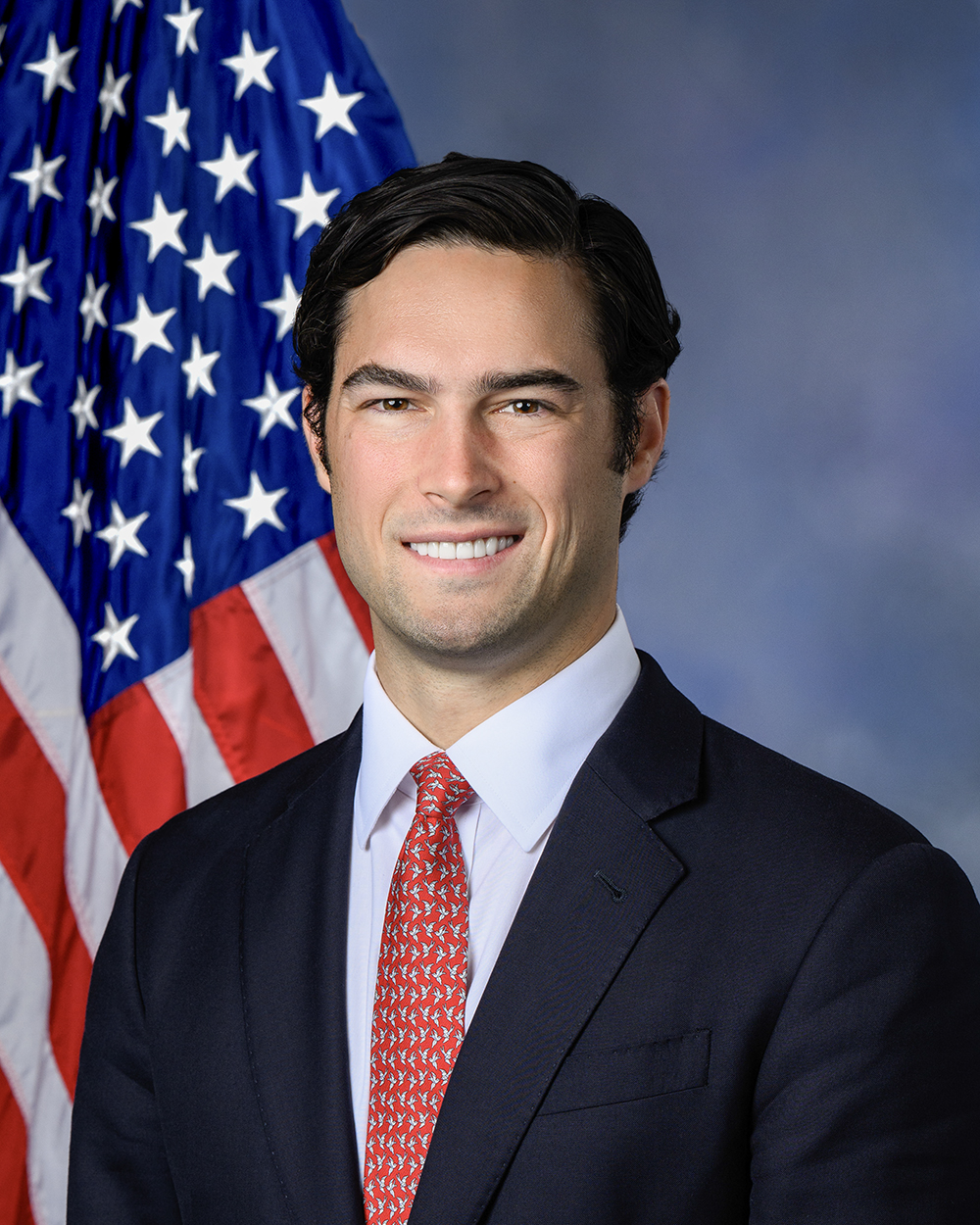
Rep. Brandon Gill
Sponsored bills
Maddy summaryHR 1057, the Safe Passage on Interstates Act of 2025, creates a new federal criminal offense for intentionally obstructing interstate highways. It makes it illegal to deliberately delay traffic, stand near vehicles, or endanger movement on interstates with the intent to block normal use. The bill directly affects individuals who engage in such obstruction, with penalties including fines up to $15,000 or imprisonment up to 20 years (or life if death results). Exceptions cover lawful activities authorized by federal, state, or local governments. This bill amends Title 18 of the U.S. Code to establish specific penalties for highway obstruction.
Maddy summaryHR 1089, the BOWSER Act, would repeal the District of Columbia Home Rule Act (Public Law 93-198) one year after the bill's enactment. This action would eliminate the District's existing self-governing authority, directly affecting Washington, D.C. residents and its local government. The key provision is the outright repeal of the 1973 law that established the District's home rule structure, shifting governance control to Congress.
Maddy summaryHR 1052, the UNPLUG EVs Act, rescinds unobligated federal funds from two electric vehicle infrastructure programs. It targets unused balances from the National Electric Vehicle Infrastructure Formula Program (established by the Infrastructure Investment and Jobs Act) and charging/fueling grant programs under federal highway law. These rescinded funds will be deposited into the U.S. Treasury's general fund to reduce the federal deficit. The bill does not alter existing program requirements or affect current EV infrastructure projects, only redirecting unspent allocated funds.
Maddy summaryHRES 110 prohibits the distribution of Chinese Communist Party-controlled publications, such as *China Daily*, within House facilities like the Capitol building and House office buildings. It requires the Chief Administrative Officer to immediately stop accepting, distributing, or using internal mail systems for these materials, which are defined as publications registered under the Foreign Agents Registration Act and controlled by the CCP. The resolution does not restrict private receipt of such publications by Members or staff, access through public libraries, or the Library of Congress’s collection. This policy change applies immediately to all House-owned or operated facilities.
Maddy summaryThis bill prohibits access to single-sex facilities (like restrooms, locker rooms, and changing rooms) on federal property unless the individual's biological sex matches the facility's designated sex. It directly affects anyone using federal buildings, military bases, or postal facilities, requiring them to use spaces corresponding to their biological sex as defined in the bill. Key provisions define "biological sex" based on reproductive systems (male/female) and allow exceptions only for emergency medical personnel or active law enforcement during investigations. The bill does not apply to private or non-federal spaces, focusing solely on facilities owned or operated by the U.S. government.
Fair Access to Banking Act This bill places restrictions on certain banks, credit unions, and payment card networks if they refuse to do business with a person who complies with the law. Restrictions include prohibiting the use of electronic funds transfer systems and lending programs, termination of an institution's depository insurance, and specified civil penalties. Banks and other specified financial institutions are allowed to deny financial services to a person only if the denial is justified by a documented failure of that person to meet quantitative, impartial, risk-based standards established in advance by the institution. This justification may not be based upon reputational risks to the institution. The bill establishes the right for a person to bring a civil action for a violation of this bill.
Maddy summaryHR 925, the "Dismantle DEI Act of 2025," would eliminate diversity, equity, and inclusion (DEI) programs across federal government operations. The bill requires federal agencies to close DEI offices, rescind related executive orders, and prohibit the use of federal funds for DEI training, offices, or initiatives. It defines "prohibited diversity, equity, or inclusion practice" as any activity that discriminates based on race, ethnicity, religion, biological sex, or national origin, or requires employees to complete training asserting that certain groups are inherently superior or inferior. The legislation also prohibits requiring employees to sign statements about race, ethnicity, or gender, and establishes private lawsuits for violations with potential damages of $1,000 per violation per day. This bill would directly affect federal agencies, contractors, grantees, and advisory committees receiving federal funding.
Maddy summaryHR 691 would rename Washington Dulles International Airport in Virginia as "Donald J. Trump International Airport" upon the bill's enactment. It requires all federal references in laws, documents, and maps to use the new name instead of the current designation. This is a purely ceremonial renaming bill with no impact on airport operations, funding, or policy.
Prison Staff Safety Enhancement Act This bill requires the Department of Justice to adopt national standards for the prevention, reduction, and punishment of sexual harassment and sexual assault by incarcerated individuals against correctional officers or other employees of the Bureau of Prisons.