

Aviation Funding Solvency Act This bill provides continuing appropriations to the Federal Aviation Administration (FAA) if (1) an appropriations bill for the FAA has not been enacted before a fiscal year begins, or (2) a law making continuing appropriations for the FAA is not in effect. Specifically, the bill provides appropriations from the Aviation Insurance Revolving Fund at the rate of operations that was provided for the prior fiscal year to continue programs, projects, and activities that were funded in the preceding fiscal year. The FAA may use the balance of the fund, minus $1 billion. If the FAA determines that the amounts from the fund are insufficient to continue all programs, projects, or activities, then the FAA must prioritize compensation payments for employees of the Air Traffic Organization (e.g., air traffic controllers). The bill provides the appropriations until the date on which either (1) specified appropriations legislation for the fiscal year becomes law, or (2) a bill making continuing appropriations becomes law. Finally, the bill permanently extends the FAA Non-premium War Risk Insurance Program. This program provides aviation insurance without a premium to eligible air carriers at the request of the Department of Defense or another federal agency, provided that the agency agrees to indemnify the FAA from all losses covered under the insurance. Eligible air carriers include those whose operations are under a federal contract and are necessary for national security or to carry out U.S. foreign policy.
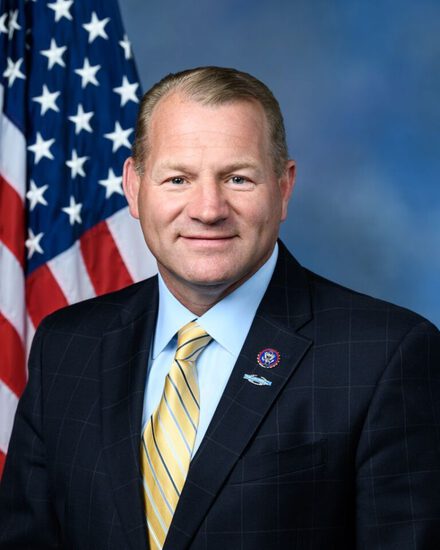
Rep. Troy E. Nehls
Sponsored bills
Maddy summaryHR 3492, the Protect Children’s Innocence Act, makes it a federal crime to perform genital or bodily mutilation or chemical castration on minors under 18, except for specific medical reasons. The bill broadly defines prohibited procedures to include gender transition-related surgeries (like hysterectomies or mastectomies) and medical treatments such as puberty blockers or cross-sex hormones administered to minors. It criminalizes these acts when they occur across state lines, involve payments, or use interstate commerce, while explicitly banning religious tradition as a defense. Exceptions include medically necessary procedures for health emergencies, childbirth, or conditions certified by a physician.
Maddy summaryThis bill, titled "Pet and Livestock Protection Act," is misleading; it actually focuses on gray wolf management. It requires the Secretary of the Interior to reissue a 2020 rule removing gray wolves from the endangered species list within 60 days of enactment. The bill also prohibits courts from reviewing this reissuance. This directly affects gray wolf populations and management policies in states where wolves are present, shifting regulatory control away from federal endangered species protections.
Maddy summaryThe Kayla Hamilton Act amends rules for placing unaccompanied immigrant children under 12 in foster care. It requires the Health and Human Services Secretary to contact the child's country of origin for criminal records, check for gang-related tattoos/markings, and place children with gang ties in secure facilities. The bill also mandates detailed background checks for host families, including immigration status, criminal history, and sex offender registry checks, before placement. These changes directly affect unaccompanied immigrant children in federal custody and the agencies managing their placements. The law aims to strengthen safeguards during the placement process without altering existing trafficking prevention programs.
Miracle on Ice Congressional Gold Medal Act This act provides for the award of Congressional Gold Medals to the members of the 1980 U.S. Olympic men's ice hockey team in recognition of the team's achievement at the 1980 Winter Olympic Games.
Maddy summaryThe SHIELD Act of 2025 withholds federal funding from states or local governments that arrest, detain, or prosecute federal officers for lawful immigration enforcement actions. It directly affects jurisdictions (like cities or counties) that interfere with federal immigration enforcement, such as by blocking ICE operations. The law requires the Attorney General and DHS to determine violations, then blocks all federal grants and contracts for the affected jurisdiction during the fiscal year. Funding withheld is reallocated to compliant jurisdictions, and restoration requires written assurances that interference will stop.
Maddy summaryHR 6665 prohibits the Nuclear Regulatory Commission (NRC) from issuing licenses for private facilities to store spent nuclear fuel or high-level radioactive waste, except at sites attached to operating nuclear power plants or federally owned storage sites. This bill directly affects private companies seeking to operate interim storage facilities and the NRC, which would no longer issue such licenses. Existing licenses for private interim storage would be canceled upon the bill's enactment. The law does not restrict long-term disposal at federally managed repositories, as defined under the Nuclear Waste Policy Act.
Maddy summaryHR 6643, the American Border Story Memorial Act, authorizes a nonprofit organization ("The American Border Story") to establish a commemorative memorial on federal land in Washington, D.C., to honor U.S. citizens and legal residents who died due to crimes committed by individuals unlawfully present in the U.S. The bill prohibits the use of federal funds for the memorial's creation or maintenance, requiring all costs to be covered by private donations. Any remaining funds after project costs must be deposited into specific federal or National Park Foundation accounts, as outlined in the Commemorative Works Act. This is a procedural memorial bill with no direct policy or regulatory changes.
Maddy summaryHR 6582, the Flight Risk Reduction Act, changes federal pretrial detention rules for non-citizens facing criminal charges. It creates a legal presumption that non-citizens (not U.S. citizens or lawful permanent residents) cannot be released before trial unless they prove they won’t skip court or harm others, using "clear and convincing evidence." The bill specifically states that having family or jobs in the U.S. cannot be used to challenge this presumption. This directly affects non-citizens charged in federal court who might otherwise seek pretrial release.
Maddy summaryHR 6475, the Preventing Child Trafficking Act of 2025, requires the Department of Justice's Office for Victims of Crime and the Administration for Children and Families' Office on Trafficking in Persons to implement the 2023 Government Accountability Office's recommendations for preventing child trafficking and supporting survivors. The bill mandates these agencies to collaborate using established best practices, develop measurable performance goals for child trafficking programs, and base these targets on existing grantee data. It directly affects federal agencies managing anti-trafficking programs and the children and survivors served by those programs. The bill requires a report to Congress within 180 days detailing how these implementation steps were carried out.